
What Happened: The Core Developments
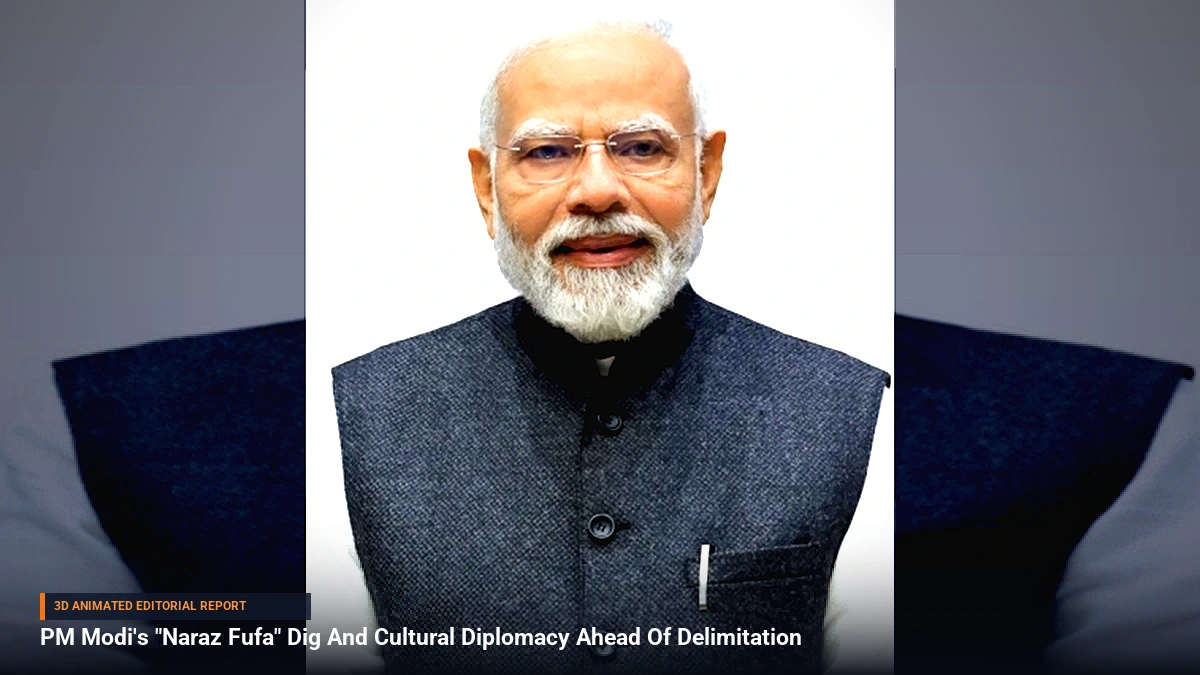
The political landscape in New Delhi is heating up as Prime Minister Narendra Modi convened high-level meetings with Bharatiya Janata Party (BJP) lawmakers ahead of a critical parliamentary session. In lockstep with the leadership's strategic preparation, the ruling party has issued a strict three-line whip, mandating the presence of all its MPs to ensure full attendance during what is anticipated to be a fiercely contested legislative push.
At the center of the controversy is the draft Delimitation Bill. According to initial disclosures and institutional sources, the legislative package proposes an expansive restructuring of India's lower house of parliament. Key provisions include a roughly 50% increase in total legislative seats—expanding the Lok Sabha to an estimated 850 seats—alongside a proportional increase in Scheduled Caste (SC) and Scheduled Tribe (ST) representation coupled with a women's reservation quota. Crucially, the draft also proposes freezing subsequent delimitation exercises until the year 2051.
Background & Key Context
Delimitation—the act of redrawing the boundaries of parliamentary and assembly constituencies to reflect population shifts—has long been a sensitive issue in Indian federal politics. Because population growth has historically skewed heavily toward northern states compared to southern states, previous delimitation exercises were constitutionally deferred to prevent penalizing southern states for successful family planning initiatives.
This upcoming legislative push represents one of the most substantial structural overhauls of India's democratic architecture in decades. While the ruling coalition maintains that an expanded parliament is vital for accommodating a growing populace and improving grassroots representation, critics and regional parties have raised alarms over potential shifts in federal power dynamics between India's northern and southern states.
Key Takeaways
- Massive Expansion: The draft Delimitation Bill outlines a roughly 50% increase in parliamentary seats, aiming for an 850-seat Lok Sabha.
- Social Equity Provisions: Plans include an increase in seats reserved for Scheduled Castes and Scheduled Tribes, integrated alongside existing women's quota frameworks.
- Long-Term Freeze: The proposed legislation features a statutory freeze on further delimitation adjustments until 2051.
- Party Discipline: The BJP has issued a strict three-line whip, instructing all party MPs to be present and vote in line with the party's directives during the session.
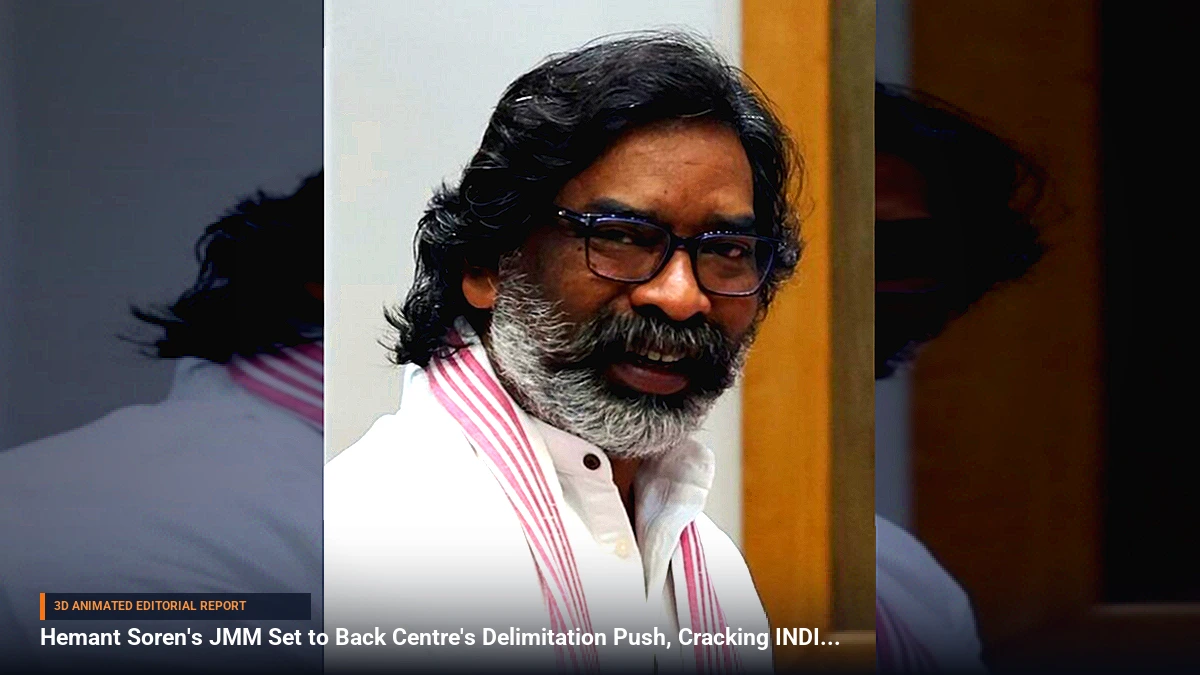
- Emerging Fractures: While major opposition figures mobilize resistance, unexpected regional developments—such as potential support from Hemant Soren’s Jharkhand Mukti Morcha (JMM)—threaten to fracture the anti-BJP coalition.
Impact, Analysis & Global/National Reactions
The impending introduction of the bill has triggered a scramble across political lines. Opposition heavyweights, including Lok Sabha Leader of Opposition Rahul Gandhi, Sonia Gandhi, and Congress President Mallikarjun Kharge, have launched high-level diplomatic outreach to regional stalwarts such as DMK chief and Tamil Nadu Chief Minister MK Stalin and NCP-SCP leader Sharad Pawar.
Prominent opposition voices have minced no words, warning that the current formulation of the delimitation exercise could severely compromise federal equilibrium. Rahul Gandhi bluntly characterized the move as potentially "the death of democracy in India," expressing deep concern over structural imbalances that could disadvantage southern and eastern states.
Conversely, cracks are beginning to appear in the opposition's united front. Sources indicate that Hemant Soren’s Jharkhand Mukti Morcha (JMM) may break ranks to support the delimitation push. This potential defection represents a significant blow to the broader opposition strategy, potentially giving the government a more comfortable legislative cushion.
What's Next: Looking Ahead
As the parliament session formally opens, all eyes will be on the floor management of both the ruling alliance and the opposition. Analysts will closely monitor the final floor count, particularly given reports that the government could command the backing of up to 371 MPs if regional allies and unexpected supporters like the JMM fall in line.
Beyond the immediate parliamentary vote, the debate is expected to ignite prolonged legal, social, and constitutional discourse concerning India's federal structure, representation equity, and the long-term governance implications of a significantly larger national legislature.


Be the first to comment
Start a useful conversation around this story.