
What Happened: The Core Developments
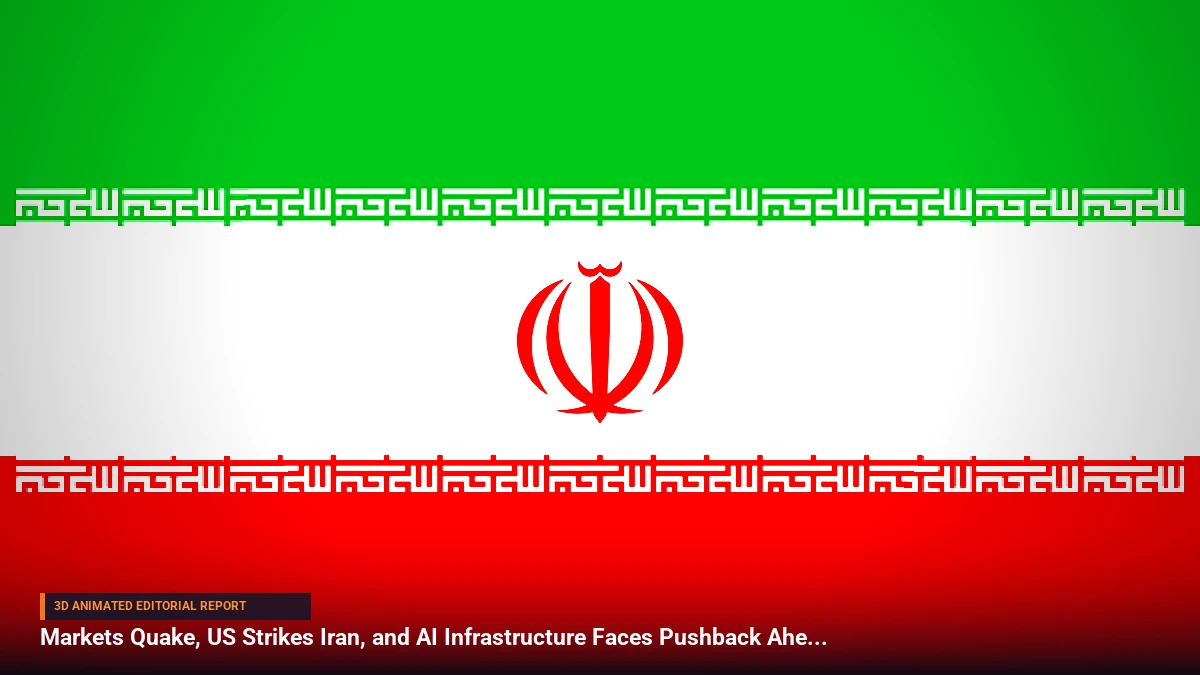
The global geopolitical and economic landscape is experiencing a period of intense convergence. The United States military recently launched what officials described as limited and defensive strikes targeting Qeshm Island, Iran, sending ripples through international security channels just days before the US midterm elections. Simultaneously, financial markets have turned defensive, registering cautious sentiment, tech-sector losses, and upward pressure on oil prices as traders brace for the political shift of the upcoming vote.
On the corporate front, mega-cap technology firms have dominated headlines. Apple reported its fiscal fourth-quarter earnings—the first under newly appointed CEO John Ternus—showcasing stronger-than-expected revenue driven by steady iPhone sales and a historic year for Mac. However, the tech giant warned investors of impending margin pressures during the critical holiday quarter due to soaring memory costs. Meanwhile, domestic policy debates have intensified at the local level, notably in California's Bay Area, where at least seven cities have enacted data centre moratoriums despite the region's status as a global artificial intelligence powerhouse.
Background & Key Context
The intersection of geopolitical volatility, corporate reporting cycles, and critical domestic elections creates a uniquely complex operating environment for global stakeholders. US military actions in the Middle East have historically served as focal points during domestic electoral cycles, impacting energy futures and foreign policy debates. At the same time, the tech sector—traditionally the engine of Wall Street's post-pandemic gains—is facing dual head winds: escalating hardware production costs, particularly for high-bandwidth memory, and growing municipal pushback against the massive energy and water footprints required by generative AI data centres.
California's Bay Area municipal restrictions highlight a widening friction between technological expansion and local infrastructure limits. Despite promoting itself as the birthplace of modern artificial intelligence, local authorities are increasingly prioritizing grid stability and resource conservation over unbridled data facility construction. This local regulatory pushback coincides with corporate transitions, such as John Ternus taking the helm at Apple following years of steady growth, forcing leadership to navigate tighter supply chain margins.
Key Takeaways
- Geopolitical Tensions: The US military conducted limited, defensive strikes on Qeshm Island, Iran, heightening regional security concerns ahead of the midterms.
- Market Caution: Wall Street and global futures faced subdued sentiment, tech losses, and rising oil prices as investors weighed political uncertainty.
- Apple's Earnings Shift: Under new CEO John Ternus, Apple posted better-than-expected Q4 revenue, though it cautioned of margin compression in the holiday quarter driven by rising memory costs.
- AI Infrastructure Pushback: At least seven cities across California's Bay Area enacted data centre moratoriums, challenging the region's AI expansion narrative.
- Electoral Backdrop: All of these macroeconomic and geopolitical vectors converge directly on the impending US midterm elections, amplifying market volatility.
Impact, Analysis & Global/National Reactions
Financial analysts note that the confluence of these events has created a defensive posture among institutional investors. "Markets are inherently sensitive to simultaneous shocks—ranging from sudden geopolitical engagements in the Middle East to structural shifts in corporate profitability," remarked equity strategists tracking the pre-midterm trading environment. While Apple's resilient hardware demand demonstrates consumer loyalty, the warnings regarding memory component costs underscore broader inflationary pressures within the electronics supply chain.
On the geopolitical front, international observers are closely monitoring potential retaliatory dynamics following the strikes on Qeshm Island. Energy markets have reacted with mild upward tick in crude prices, reflecting the perennial risk premium associated with any military escalation involving Iran. Domestically, the local municipal decisions in California point to a growing grassroots resistance against the physical footprint of the AI boom, forcing technology enterprises to rethink their expansion strategies.
What's Next: Looking Ahead
As voters head to the polls for the US midterm elections, the immediate aftermath will dictate the regulatory and fiscal direction of the federal government, directly impacting energy policy, defense spending, and antitrust scrutiny over Big Tech. Markets will closely watch holiday-season retail performance to see if Apple and other consumer electronics giants successfully pass on rising component costs to buyers. Meanwhile, local battles over data centre zoning in Northern California are expected to serve as a bellwether for how other tech-heavy municipalities handle AI infrastructure demands in the years ahead.




Be the first to comment
Start a useful conversation around this story.