

What Happened: The Core Developments
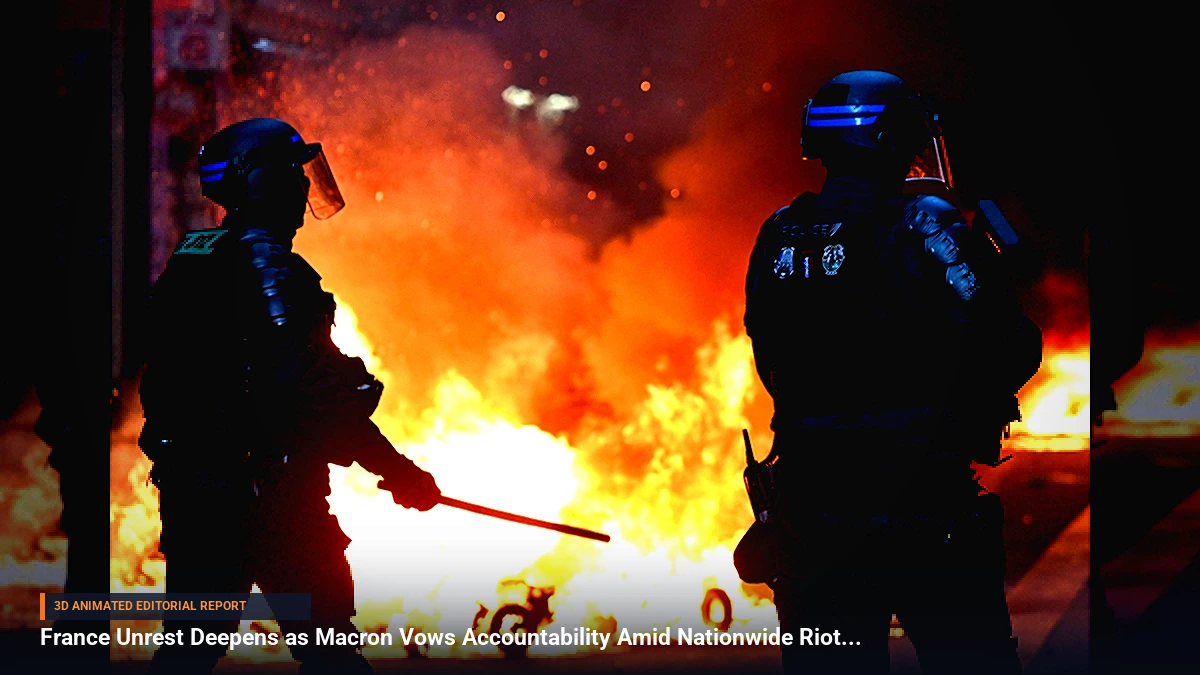
France has faced a weekend of intense social upheaval, marked by violent protests, widespread looting, and clashes that stretched law enforcement resources to their absolute limits. In the immediate wake of the chaos, Interior Minister Laurent Nunez tendered his resignation, candidly admitting that police forces had effectively "lost control" during the peak of the weekend disturbances.
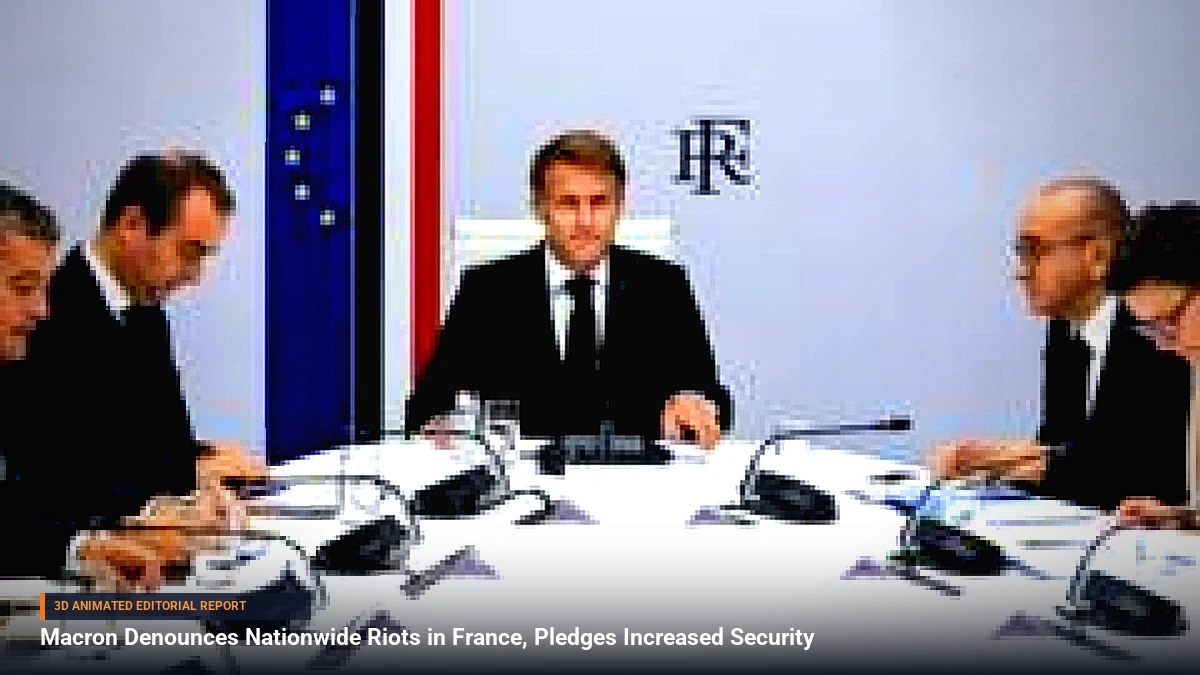
However, French President Emmanuel Macron formally refused the resignation. Rather than changing the leadership at the head of the country's interior portfolio, Macron opted for institutional continuity, asserting that Nunez must remain in office to preserve a steady and unbroken chain of command with the police and broader security forces.
Background & Key Context
The recent outbreak of civil unrest caught federal authorities off guard, triggering sweeping debates over internal security readiness and intelligence gathering. President Macron publicly admitted to glaring "failures in anticipation and intelligence" that left security services ill-equipped for the velocity and scale of the violent demonstrations.
Security operations during the unrest resulted in approximately 2,400 arrests nationwide, highlighting the sheer magnitude of the mobilization required to restore public order across urban centers.
Key Takeaways
- Resignation Refused: French President Emmanuel Macron rejected Interior Minister Laurent Nunez's offer to resign following days of violent unrest.
- Operational Admissions: Nunez openly acknowledged that law enforcement elements temporarily lost control during the peak of the weekend riots.
- Intelligence Gaps: President Macron admitted to critical federal failures regarding advance anticipation and intelligence gathering ahead of the demonstrations.
- Mass Arrests: Law enforcement authorities recorded roughly 2,400 arrests across France during the height of the disturbances.
- Chain of Command Priority: Macron stressed that retaining Nunez is vital to secure stable leadership and coordination within national security forces.
Impact, Analysis & Global/National Reactions
The decision to keep Interior Minister Nunez at his post underscores a high-stakes gamble by the executive branch. By choosing stability over immediate ministerial accountability, the administration aims to prevent institutional paralysis within the police forces while they manage ongoing security threats. Analysts note that while accepting the resignation might have temporarily appeased restless public sentiment, it risked destabilizing operational coordination at a volatile juncture. The admission of intelligence failures by both the president and the interior minister has nevertheless intensified scrutiny over how federal authorities monitor and prepare for rapid escalations in civil unrest.
What's Next: Looking Ahead
As French authorities transition from crisis containment to forensic evaluation, the government faces mounting pressure to overhaul its intelligence infrastructure and preventative policing strategies. Lawmakers are expected to demand rigorous parliamentary reviews regarding the predictive models used by security agencies. Meanwhile, security forces remain on high alert to deter any resurgence of widespread violence as the country grapples with the underlying social and political fallout.



Be the first to comment
Start a useful conversation around this story.