
What Happened: The Core Developments
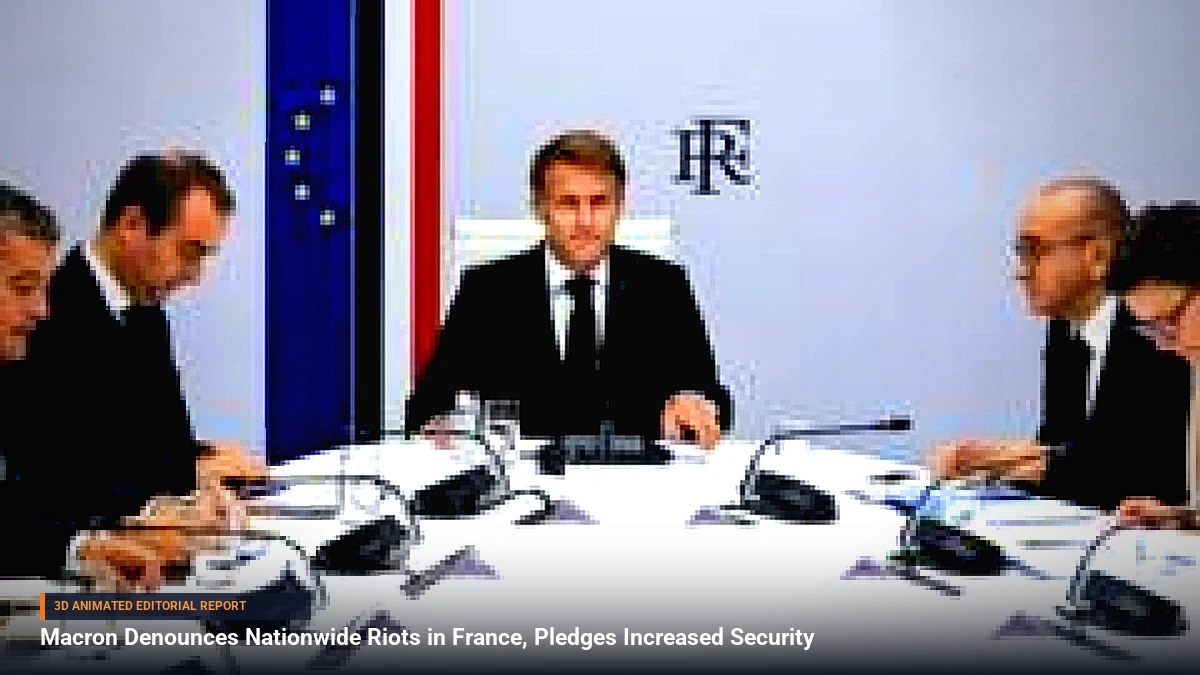
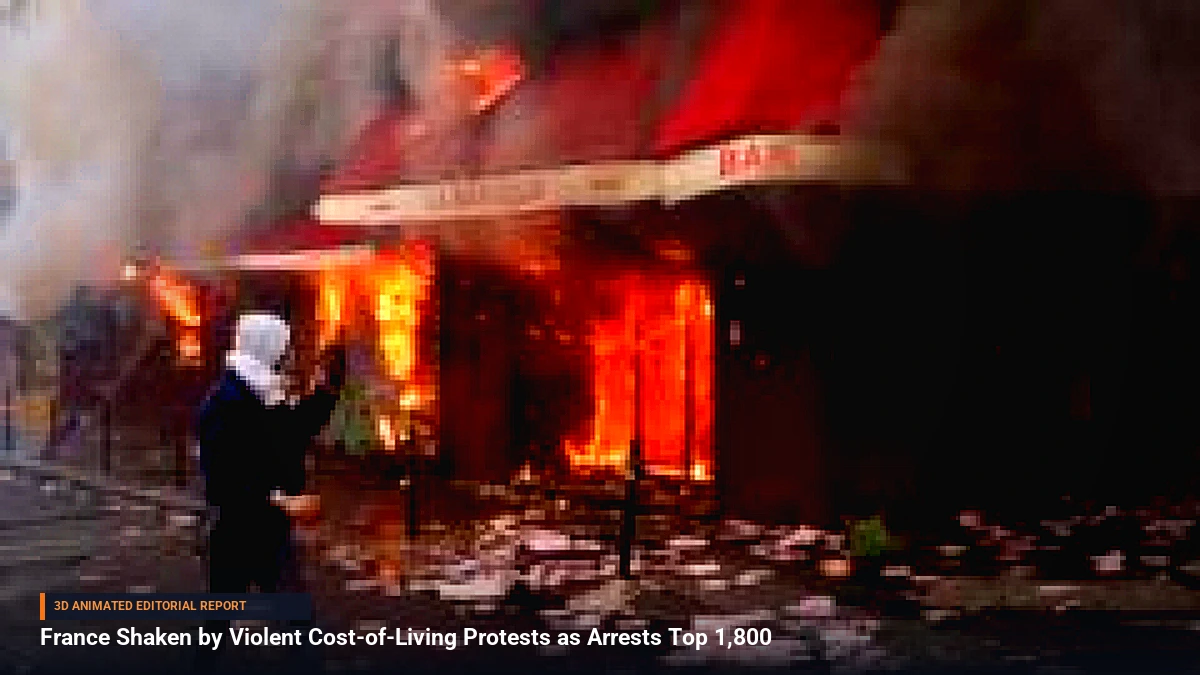
French President Emmanuel Macron has spoken out strongly against a wave of nationwide unrest that has seen significant rioting, widespread property destruction, and opportunistic looting. In a direct response to the escalating crisis, Macron delivered a televised address to the nation, characterizing the ongoing events as a mix of profound "anger and shame."
The French leader appealed directly to the public for calm, explicitly warning against any further escalation of the violence that has gripped various regions. While acknowledging the gravity of the situation, Macron announced that the government would immediately step up law enforcement and security deployments to restore public order and protect local businesses and infrastructure.
Background & Key Context
Civil unrest in France often carries deep socio-economic and political undertones, tracing back to historical tensions between urban communities and state authorities. While the executive branch has frequently relied on heavy policing to manage large-scale demonstrations, the decision of how to respond to widespread domestic disturbances requires a delicate political balancing act.
During previous periods of national crisis, French administrations have sometimes resorted to extraordinary legal frameworks, such as imposing curfews or declaring states of emergency. However, President Macron's current strategy deliberately avoids these heavier-handed civil restrictions, opting instead to reinforce standard security postures while keeping channels for public dialogue open.
Key Takeaways
- Strong Condemnation: President Macron publicly denounced the nationwide rioting and looting, describing the situation with terms reflecting both anger and shame.
- National Address: The French president utilized a televised national broadcast to appeal directly for public calm and warn against further escalation.
- Security Boost: The government has committed to increasing security measures and law enforcement presence across affected areas.
- No Emergency Measures: Macron notably stopped short of implementing a nationwide state of emergency or establishing curfews.
Impact, Analysis & Global/National Reactions
The executive response highlights the ongoing challenge facing the French administration as it attempts to protect public safety without inflaming civil liberties concerns. By choosing not to declare a state of emergency, Macron's administration is signaling a preference for targeted law enforcement over sweeping restrictions that could provoke deeper friction.
Political analysts note that managing widespread unrest without resorting to emergency decrees requires immense precision from security forces. Local business owners and municipal leaders have expressed relief at the promise of increased security, even as questions remain regarding the underlying grievances driving the unrest.
What's Next: Looking Ahead
As law enforcement agencies implement the promised security surges, all eyes will be on the streets to determine whether the presidential appeal for calm successfully de-escalates the tension. Parliament is expected to review the administration's security handling, and further policy debates regarding community relations and law enforcement strategies are anticipated in the coming legislative sessions.

Be the first to comment
Start a useful conversation around this story.