
What Happened: The Core Developments
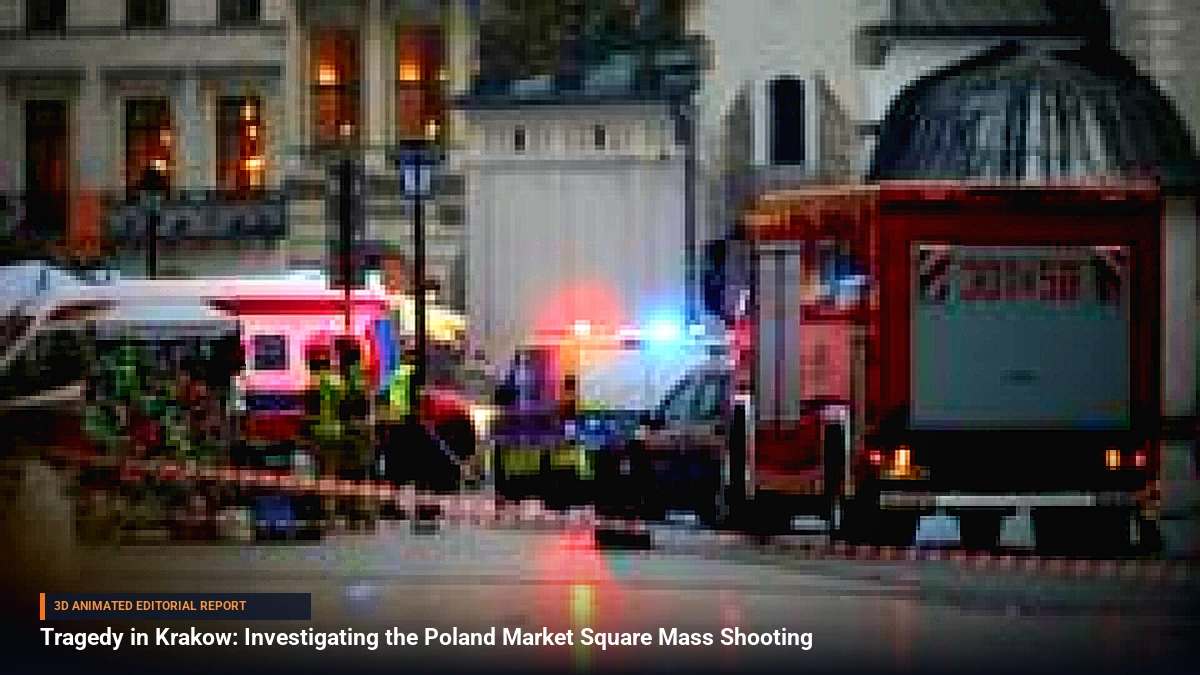
A peaceful day in Poland's second-largest city turned into a scene of unimaginable horror when a heavily armed assailant dressed in military fatigues opened indiscriminate fire at Krakow’s bustling Main Square. The brazen attack sent tourists and locals scrambling for cover as chaos erupted across the historic market plaza.
In the immediate aftermath, emergency services rushed to the scene, treating the wounded amidst a heavy police cordon. Initial reports from international outlets presented conflicting figures regarding the devastation. While some wire services and regional reports initially cited five fatalities in the open square, subsequent updates from authorities and major British publications elevated the confirmed death toll to six individuals killed at the scene, alongside additional bodies later discovered during a follow-up raid at the suspect's private residence.
The violence also left a significant trail of physical casualties. Between 10 and 15 people sustained various injuries, including several law enforcement officers who bravely rushed toward the gunfire to neutralize and apprehend the shooter.
Background & Key Context
Poland has traditionally maintained low rates of public mass shootings compared to other Western nations, heavily safeguarded by strict firearms regulations and robust domestic security frameworks. The occurrence of such a tactical-style assault in a major public landmark like Krakow's Main Square has deeply rattled the nation's sense of security.
Adding a complex layer to the ongoing criminal investigation, high-ranking Polish officials have pointed toward potential ideological markers, specifically citing possible far-right influences connected to the gunman. Law enforcement agencies are currently examining digital footprints, manifesto drafts, and associates of the suspect to determine whether the attack was an isolated act of extremism or part of a broader radicalized network.
Key Takeaways
- Location and Attacker: The mass shooting took place at Krakow’s Main Square, executed by a gunman wearing military fatigues.
- Conflicting Casualty Figures: Early reports varied, citing between five and six individuals killed in the market square, with additional victims subsequently found at the suspect's home.
- Injuries Sustained: Over 10 to 15 people suffered injuries during the rampage, with local police officers among the wounded.
- Ideological Angle: Polish authorities and government ministers have raised concerns regarding potential far-right radicalization tied to the perpetrator.
- Ongoing Verification: Official investigative bodies are still reconciling initial media discrepancies to finalize the comprehensive casualty and ballistic report.
Impact, Analysis & Global/National Reactions
The shooting has sparked intense national debate within Poland over public safety protocols, counter-extremism measures, and the monitoring of radical ideologies. Political leaders have stepped forward to condemn the violence, urging unity and promising a thorough, transparent investigation into how the gunman was able to acquire tactical gear and orchestrate the assault.
Security analysts note that the use of military fatigues and a heavily armed approach points to a degree of premeditation that challenges standard urban policing assumptions. Institutional responses from international partners have emphasized solidarity with Polish authorities as the nation grapples with the aftermath of this unprecedented tragedy.
What's Next: Looking Ahead
As the investigation transitions from emergency response to deep forensic analysis, all eyes are on Polish law enforcement and judicial authorities for official press briefings. Key developments will include the formal identification of the gunman, final verification of the total casualty count, and the release of findings regarding any formal far-right networks or manifestos linked to the perpetrator. Legal experts anticipate upcoming parliamentary discussions regarding domestic security, potential gaps in intelligence monitoring, and further tightening of public space surveillance.



Be the first to comment
Start a useful conversation around this story.