
What Happened: The Core Developments
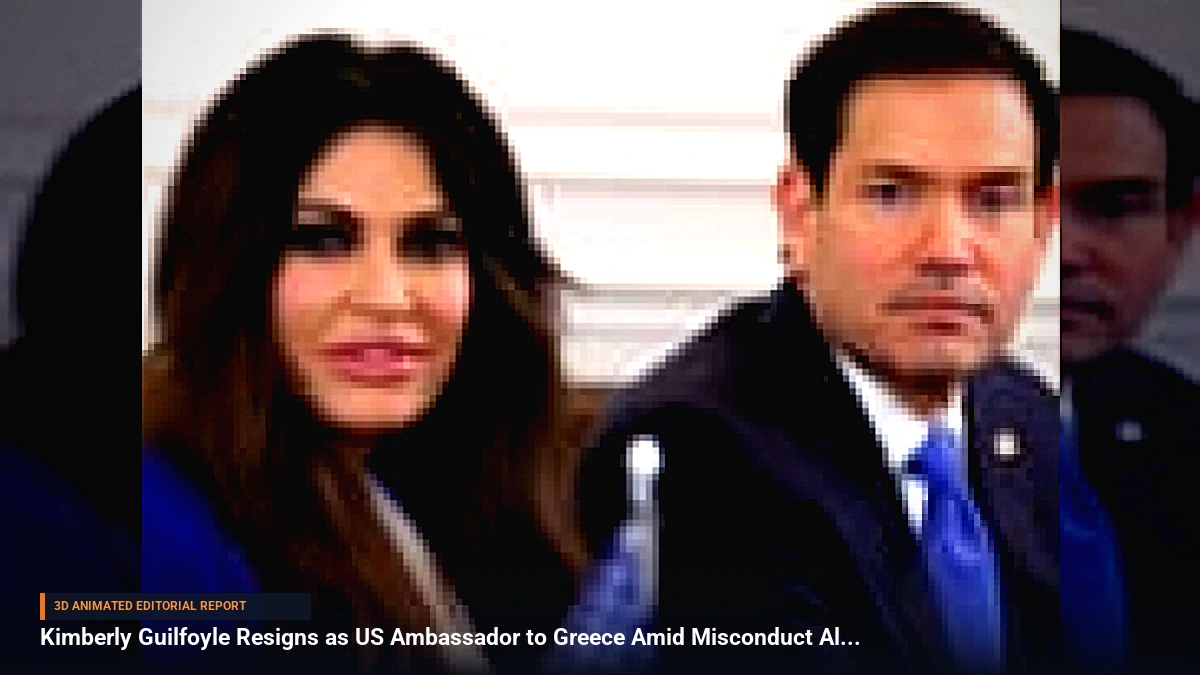
Kimberly Guilfoyle has officially resigned from her post as the United States ambassador to Greece following a series of damaging corruption and misconduct allegations [14325, 14393]. The White House announced the departure, bringing an abrupt end to the diplomatic tenure of one of Donald Trump's most visible and long-standing political allies [14393].
The resignation was prompted by intense scrutiny after investigative reports surfaced detailing alleged improper conduct [14394], including attempts to secure personal financial payments from high-profile political donors in exchange for administrative access [14393]. Top officials within the administration, including President Donald Trump and Secretary of State Marco Rubio, reportedly grew deeply dissatisfied as the details emerged, ultimately leading to the demand for her resignation [14393].
Background & Key Context
Guilfoyle’s appointment to Athens had initially been heralded by her supporters as a reward for her loyal service and high-profile involvement in conservative political campaigns. However, her transition from domestic political surrogate to international diplomat was quickly overshadowed by inquiries into her pre-confirmation activities [14394]. Reports highlighted instances where she allegedly solicited funds—such as directing a donor to wire significant sums toward personal financial accounts—raising severe ethical and legal questions regarding the misuse of diplomatic leverage for personal enrichment [14325, 14393].
Key Takeaways
- Resignation Confirmed: Kimberly Guilfoyle stepped down as US ambassador to Greece following directives from the White House [14393].
- Allegations of Misconduct: Reports indicate she sought financial transfers, including bill payments and wire transfers, from a Trump donor [14325, 14393].
- Denial of Wrongdoing: Guilfoyle has strongly denied all allegations of improper conduct, characterizing the accusations as entirely false while describing her time as ambassador as the "honour of a lifetime" [14457].
- Administration Backlash: Key cabinet members, including Secretary of State Marco Rubio, reportedly grew furious over the scandal, precipitating her swift exit [14393].
Impact, Analysis & Global/National Reactions
The abrupt departure of a sitting US ambassador over corruption allegations sends shockwaves through diplomatic circles, emphasizing the administration's vulnerability to political fallout from internal ethical scandals. Analysts point out that while political appointments often carry inherent risks, financial impropriety allegations crossing into the realm of donor quid-pro-quo create immediate political liabilities that executive offices cannot easily ignore.
Despite stepping down, Guilfoyle's complete denial of the charges leaves a polarized narrative [14457]. Supporters maintain that the accusations are politically motivated attempts to discredit her and undermine the administration's broader diplomatic goals in the Mediterranean region. Conversely, government watchdogs and opposition lawmakers argue that her swift ouster was a necessary step to preserve the integrity of US foreign missions.
What's Next: Looking Ahead
As the dust settles on Guilfoyle's departure from Athens, attention turns toward the State Department to see how leadership vacancies in the Greek mission will be managed. The White House is expected to nominate a successor in the coming weeks, though Senate confirmation hearings for any new diplomatic nominee will likely face intense scrutiny from lawmakers eager to question administration vetting processes.




Be the first to comment
Start a useful conversation around this story.