
What Happened: The Core Developments
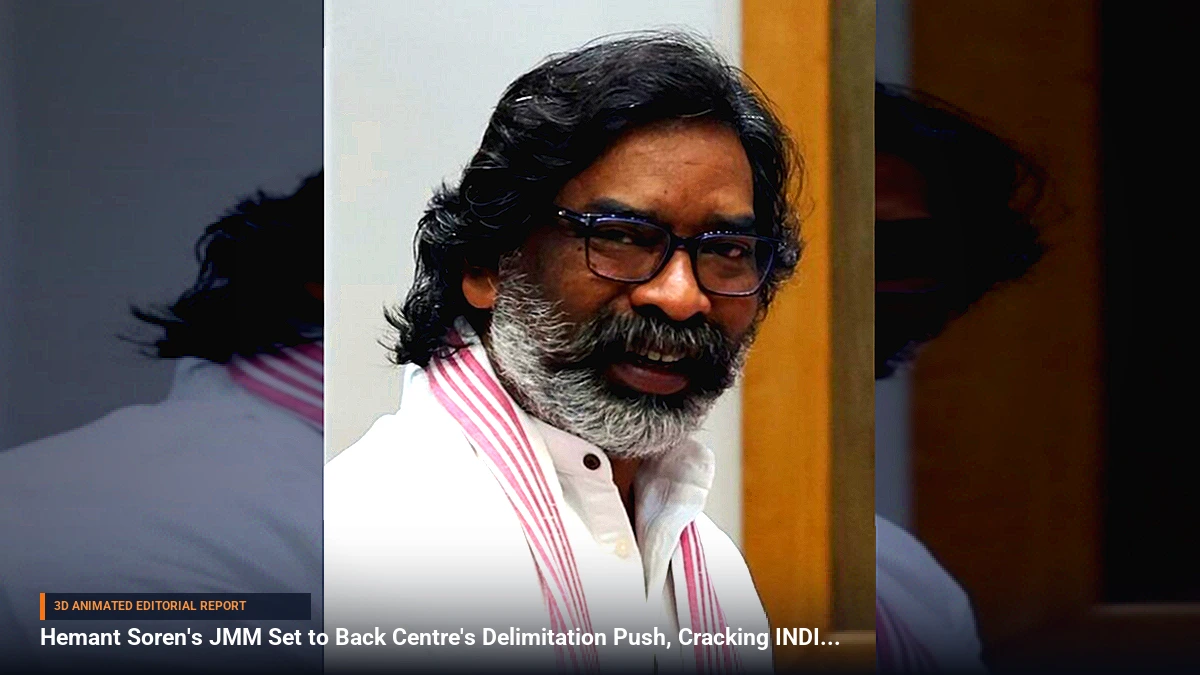
The political landscape in New Delhi is witnessing high-stakes friction as fresh cracks appear within the opposition INDIA bloc. According to reliable insider sources, Hemant Soren’s Jharkhand Mukti Morcha (JMM) is leaning toward supporting the central government's upcoming delimitation push in Parliament. This potential alignment deals a heavy strategic blow to the Congress party and other regional allies who have strongly opposed the legislative maneuver.
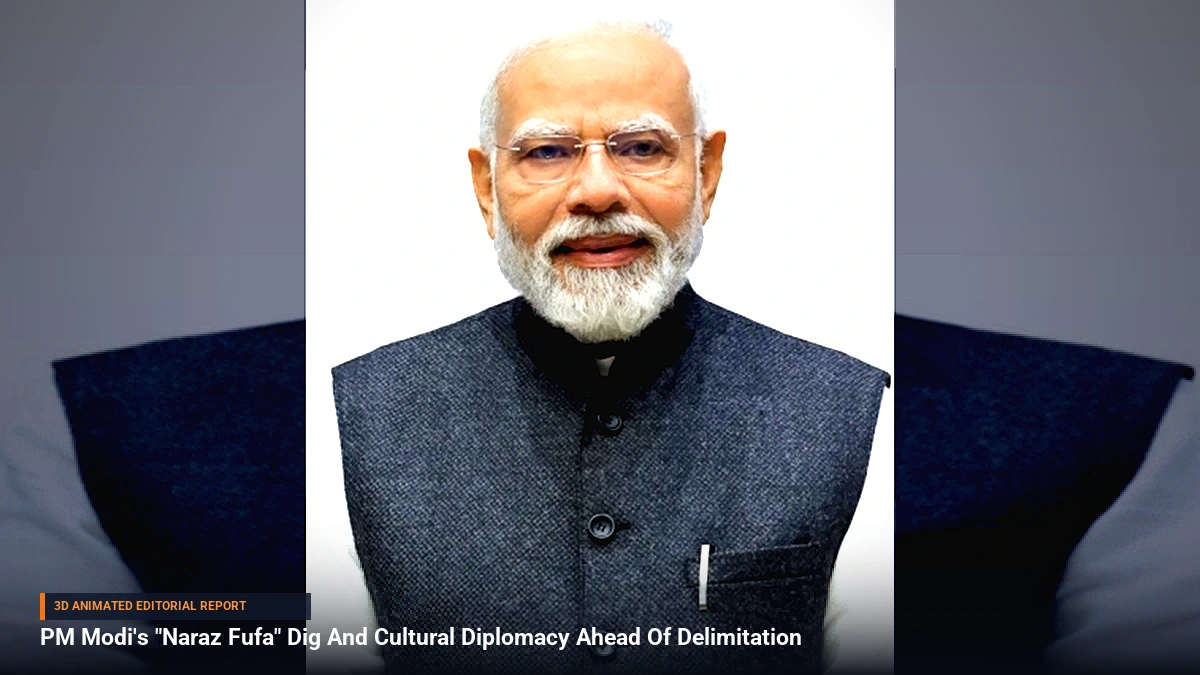
Simultaneously, the ruling Bharatiya Janata Party (BJP) is aggressively consolidating its parliamentary numbers. Prime Minister Narendra Modi recently met with party MPs to finalize floor strategies, while the party leadership has issued a strict three-line whip to ensure maximum attendance and adherence during the crucial legislative session. A draft of the proposed Delimitation Bill has already outlined significant structural shifts, including an expanded 850-seat Lok Sabha, a 50% increase in Scheduled Caste (SC) and Scheduled Tribe (ST) representation, the integration of a women's reservation quota, and a population freeze timeline extending till 2051.
Background & Key Context
The concept of delimitation—the redrawing of parliamentary constituency boundaries based on changing demographics—has historically been a political flashpoint in India. Southern and eastern states have frequently expressed deep reservations, fearing that their successful population control measures will result in reduced political representation in Parliament compared to northern states.
Within the opposition alliance, tensions reached a boiling point following failed high-level talks between Congress leader Rahul Gandhi and Dravida Munnetra Kazhagam (DMK) chief M.K. Stalin. Rahul Gandhi has publicly slammed the initiative, warning that altering constituencies through the current framework would amount to "the death of democracy in India." Despite these coordinated warnings from southern powerhouses and national Congress leadership, regional priorities in Jharkhand appear to be guiding JMM toward a different parliamentary calculus.
Key Takeaways
- JMM Breaks Ranks: Hemant Soren's party is reportedly poised to support the Centre's delimitation agenda, fracturing opposition unity.
- Substantial Numbers: The government's proposed legislation reportedly commands baseline support from roughly 371 MPs across party lines.
- Major Structural Overhaul: The draft Bill proposes an 850-seat Lok Sabha, a 50% boost for SC and ST seats, integrated women's quotas, and a freeze on further delimitation until 2051.
- BJP Prepares for Floor Test: Prime Minister Narendra Modi held preparatory meetings with party lawmakers alongside the issuance of a strict three-line whip.
- Opposition Disarray: Failed deliberations between key INDIA bloc figures highlight divergent regional interests regarding demographic redistribution.
Impact, Analysis & Global/National Reactions
The divergence of opinion within the INDIA bloc underscores the inherent fragility of broad-based political coalitions when confronted with structural national policies. While the DMK and Congress view the delimitation framework as an existential threat to federal balance and regional parity, parties operating in tribal-heavy or developing eastern corridors may view the inclusion of enhanced SC and ST reservations as politically imperative.
Political analysts note that if regional players like the JMM formally break ranks on the floor of the House, it would not only smooth the path for the ruling coalition's legislative victory—backed by a projected support base of 371 MPs—but also expose severe limitations in the opposition's coordination mechanisms.
What's Next: Looking Ahead
As the parliamentary session approaches, all eyes will be on floor management and official voting declarations from regional outfits. The formal introduction of the Delimitation Bill will test the legislative muscle of the ruling administration and serve as a definitive stress test for the longevity and cohesion of the opposition alliance ahead of future electoral cycles.


Be the first to comment
Start a useful conversation around this story.