
What Happened: The Core Developments
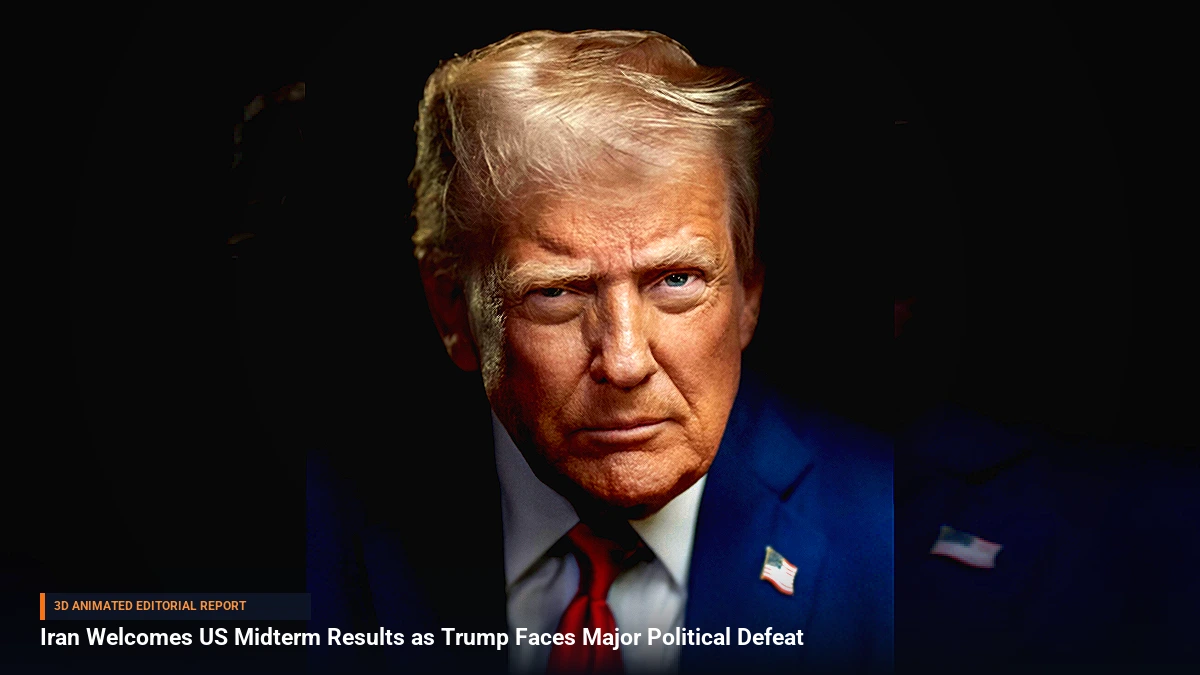
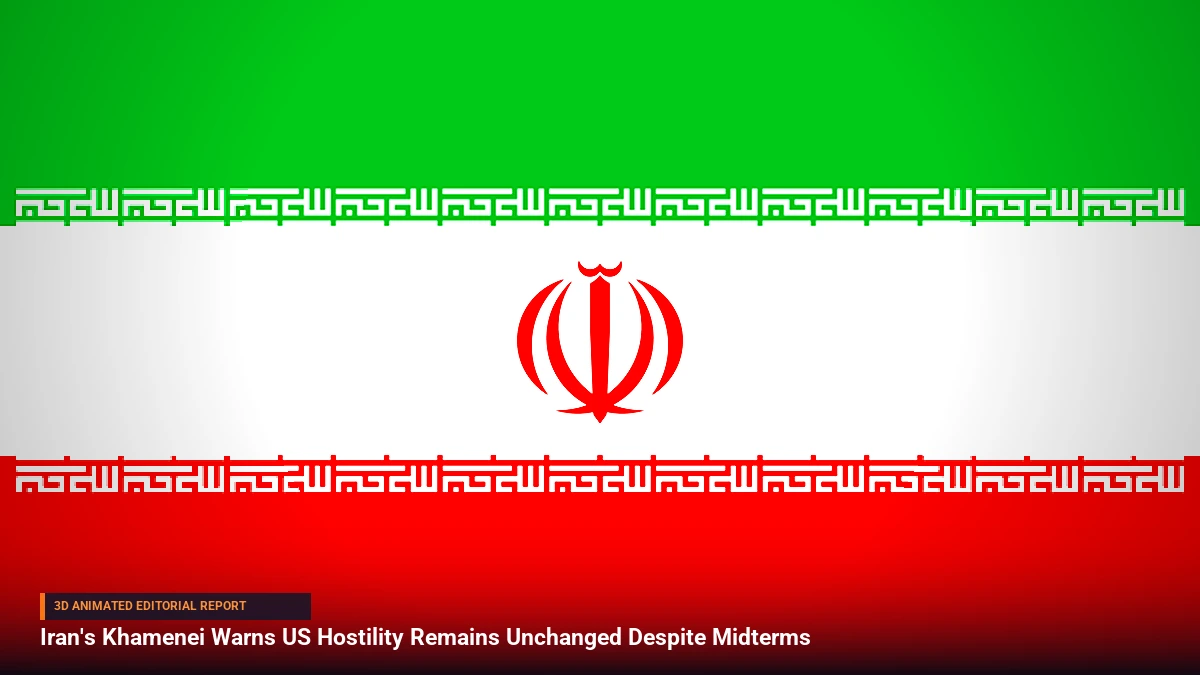
Following the conclusion of the United States midterm elections, political reactions from Tehran have been swift and pronounced. Iranian leaders and state officials have openly welcomed the electoral outcome, characterizing the results as a severe political defeat for President Donald Trump. According to official assessments in Tehran, the ballot box shift represents a clear public repudiation of the administration's aggressive foreign policy postures and what Iranian authorities describe as a systematic "war on Iran."
The electoral outcome has significantly altered the domestic political landscape in Washington, introducing new legislative checks and potential constraints on executive overreach. For Tehran, the shift is being interpreted as a sign of deep domestic American fatigue regarding aggressive foreign interventions and economic pressures targeted at the Islamic Republic.
Background & Key Context
Tensions between Washington and Tehran have remained at a fever pitch under President Trump’s administration, marked by severe economic sanctions, covert cyber operations, and continuous regional friction points across the Middle East. The administration's 'maximum pressure' campaign has crippled Iran's economy while simultaneously driving high-stakes geopolitical brinkmanship.
Historically, midterms serve as a referendum on the sitting president's domestic and foreign agendas. The recent congressional losses for Trump's party have therefore provided foreign adversaries with an opening to frame the American democratic process as a direct vote of no confidence in the executive branch's international strategies.
Key Takeaways
- Tehran's Assessment: Iranian leaders view the US midterm results as a major political defeat and a direct rejection of Donald Trump's foreign policy.
- Referendum on Strategy: Officials in Tehran argue that the election outcome signals deep public weariness with Washington's aggressive posture and economic warfare against Iran.
- Persistent Military Risk: Despite the political setback for the White House, security analysts caution that the threat of unilateral military action or sudden escalation has not been entirely eliminated.
- Shifting Domestic Power: The congressional realignment is expected to bring heightened legislative scrutiny to executive foreign policy decisions in Washington.
Impact, Analysis & Global/National Reactions
International relations analysts note that while Tehran's rhetorical celebration is largely designed for domestic and regional optics, it masks a complex and volatile security reality. The narrative of a "political defeat" for Washington allows Iranian authorities to project resilience in the face of ongoing economic hardship.
However, regional security experts warn that a politically cornered executive in Washington could paradoxically be more prone to unpredictable actions. Some analysts suggest that the loss of legislative momentum on the domestic front might tempt the administration to project strength via foreign military engagements or localized strikes to reclaim political dominance.
What's Next: Looking Ahead
As the dust settles on the midterm results, attention now turns to how the newly configured US Congress will exercise its oversight powers regarding foreign policy and military authorizations. Lawmakers are expected to demand more rigorous justifications for ongoing Middle East deployments and sanction enforcement.
For Iran, the immediate future involves navigating a shifting diplomatic terrain while maintaining high-level military readiness. Whether Washington's political recalibration translates into tangible de-escalation or merely shifts the arena of conflict to covert and diplomatic channels remains one of the critical geopolitical questions moving forward.

Be the first to comment
Start a useful conversation around this story.