What Happened: The Core Developments
In a high-stakes diplomatic signal, Iranian President Masoud Pezeshkian has publicly asserted that the decision to halt the ongoing conflict lies squarely with the United States. Speaking on the international stage, the Iranian leader emphasized that Tehran's willingness to engage in de-escalation hinges on concrete diplomatic commitments from Washington, specifically highlighting a push for the United States to re-enter a critical memorandum of understanding (MoU).
The timeline underscored by Iranian officials points toward early November, aligning strategically with the upcoming United States midterm elections. By tying the diplomatic window to this domestic political milestone, Tehran is attempting to exert pressure on the White House to re-evaluate its foreign policy stance while the political spotlight in the US remains intensely focused on domestic ballot outcomes.
Background & Key Context
Relations between Washington and Tehran have remained deeply fractured through years of escalations, economic sanctions, and localized military friction. The latest rhetoric comes amid broader discussions regarding how both nations might find a path back to structured diplomacy. Previous attempts at reviving compliance frameworks or bilateral understandings have frequently stalled over sequencing, mistrust, and verification hurdles.
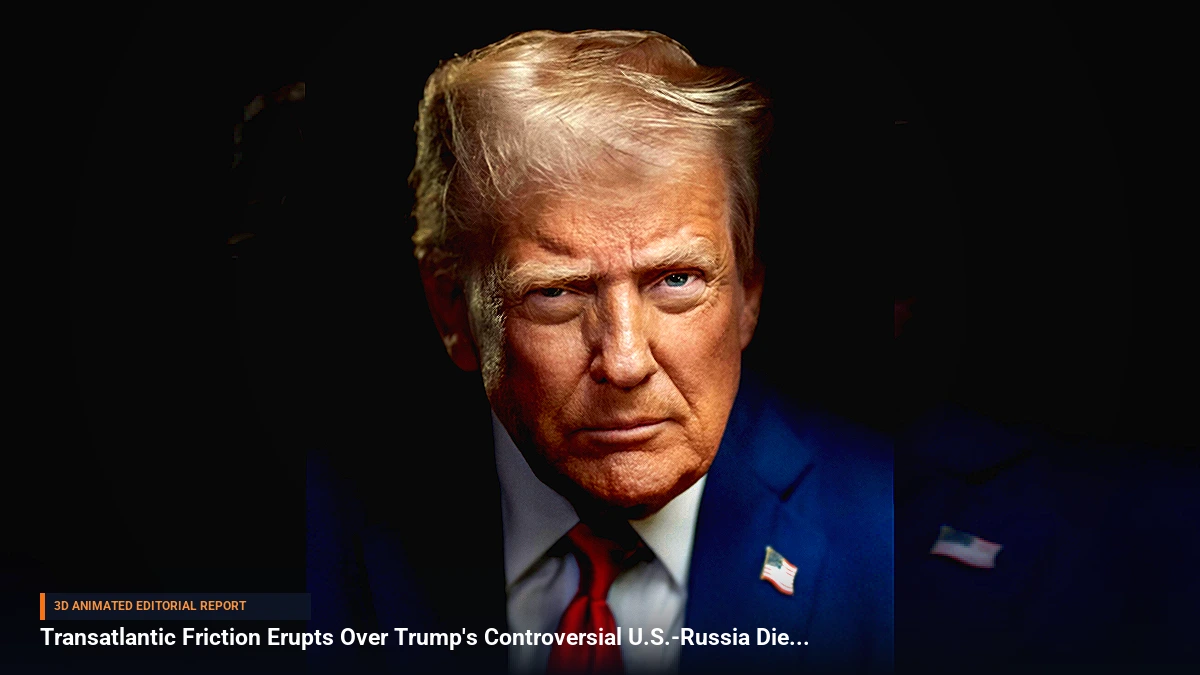
During his remarks, President Pezeshkian also addressed broader geopolitical grievances, asserting that Iranian citizens have historically been victims of terrorism stemming from US policies. Furthermore, he explicitly denied allegations that Tehran harbors any official intention or policy to target or assassinate figures such as Donald Trump, directly pushing back against recurrent security claims raised in Western political circles.
Key Takeaways
- Diplomatic Ultimatum: President Pezeshkian stated that the onus is entirely on Washington to choose whether it wishes to conclude the ongoing conflict with Iran.
- Pre-Midterm Deadline: Tehran has explicitly communicated its desire for the US administration to re-enter the specified memorandum of understanding ahead of the US midterms in early November.
- Grievances Airred: The Iranian president highlighted long-standing regional grievances, framing the Iranian population as victims of American-backed terrorism.
- Assassination Claims Denied: Pezeshkian formally rejected accusations regarding plots to assassinate Donald Trump, countering persistent security narratives.
Impact, Analysis & Global/National Reactions
International analysts view Pezeshkian's remarks as a calculated attempt to leverage the domestic pressures of the US midterm elections. By creating a compressed timeline for diplomatic re-engagement, Tehran aims to test the Biden administration's appetite for foreign policy breakthroughs before the political landscape in Washington shifts.
While official responses from the US State Department and the White House are yet to comprehensively address the latest demands regarding the MoU, foreign policy experts remain skeptical of a swift breakthrough. The precondition of re-entering a legacy framework prior to November presents a steep political hurdle for a US administration navigating a deeply polarized domestic environment.
What's Next: Looking Ahead
As the calendar ticks closer to the November midterms, international observers will be closely monitoring whether back-channel diplomacy can bridge the gap between Tehran's preconditions and Washington's strategic redlines. Failure to secure a diplomatic pathway before the electoral window closes could entrench current hostilities, dimming hopes for a negotiated settlement in the near term.

Be the first to comment
Start a useful conversation around this story.