
What Happened: The Core Developments
India's transport and aerospace sectors have entered a dynamic new phase following a series of high-profile infrastructure milestones. Prime Minister Narendra Modi officially welcomed the launch of the Kashi-Delhi Vande Bharat sleeper train, describing the rollout as a "historic day" for passenger transit. This follows closely on the heels of newly opened ticket bookings for the Bengaluru-Mumbai Vande Bharat Sleeper train, with commercial runs slated to begin in November.
Simultaneously, the Indian Space Research Organisation (ISRO) achieved another stellar milestone with the successful launch of the GSLV-F18 mission. Prime Minister Modi extended high praise to the nation's space scientists, lauding their dedication, ingenuity, and technical prowess in successfully completing the mission.
Background & Key Context
The introduction of Vande Bharat sleeper variants represents a major evolutionary step for Indian Railways. While daytime chair car versions of the semi-high-speed train have steadily expanded across various regional corridors, the sleeper configuration is engineered to transform overnight travel across long-distance routes. By connecting major metropolitan and cultural hubs like Delhi, Varanasi (Kashi), Bengaluru, and Mumbai, the network aims to significantly reduce travel times while offering modern amenities, enhanced safety features, and superior passenger comfort.
On the aerospace front, ISRO's GSLV missions continue to serve as a critical backbone for India's satellite deployment capabilities, particularly for navigation and telecommunication infrastructure. Overcoming complex technical hurdles—such as flying missions with specialized configurations like pyro valves open—highlights the deep technical maturity of India's domestic space program.
Key Takeaways
- New Sleeper Routes: Commercial ticket bookings for the Bengaluru-Mumbai Vande Bharat sleeper train are officially open ahead of November operations.
- Cultural & Economic Corridors: The inauguration of the Kashi-Delhi Vande Bharat sleeper route strengthens vital spiritual, economic, and political links.
- Aerospace Success: ISRO's successful GSLV-F18 launch has drawn national praise from leadership for its engineering precision.
- Modernized Transit: The expansion reflects a wider government strategy to phase in advanced, high-speed rail options nationwide.
Impact, Analysis & Global/National Reactions
The simultaneous push in advanced rail networks and aerospace technology underscores India's dual focus on domestic mobility and high-tech self-reliance. Transport analysts note that the deployment of sleeper-class Vande Bharat trains directly addresses the surging demand for comfortable, high-speed overnight journeys among India's expanding middle class.
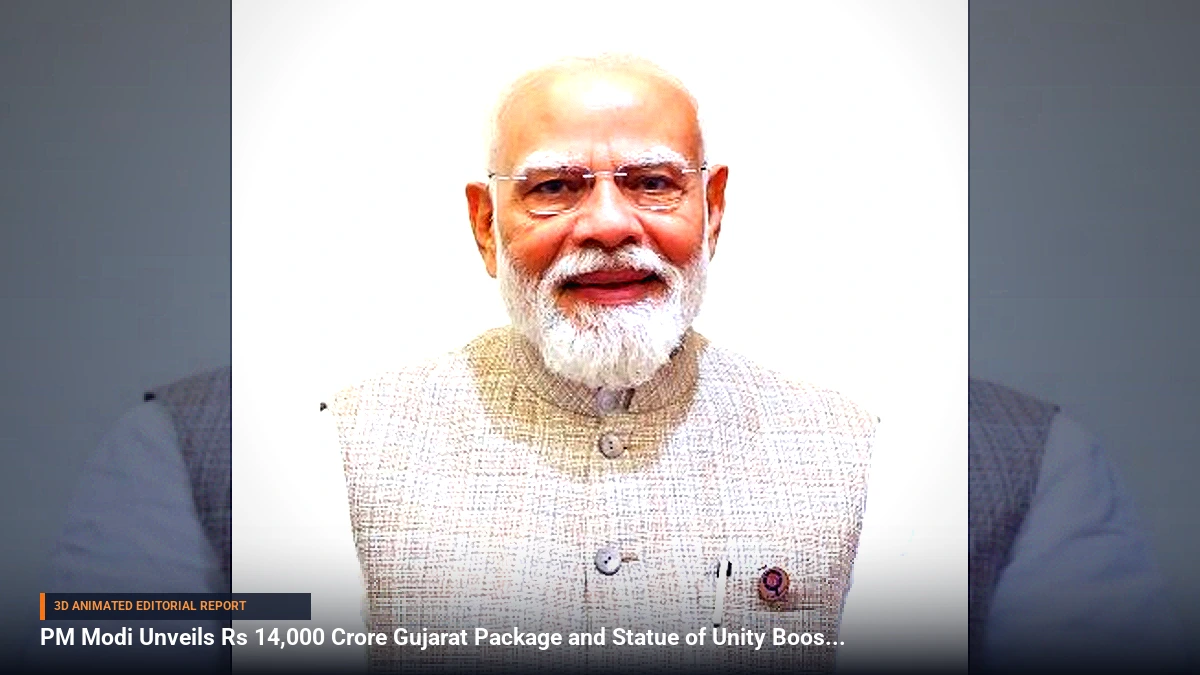
Prime Minister Modi’s vocal support for both the railway expansions and ISRO's mission highlights the central role that large-scale infrastructure projects play in the nation's broader developmental narrative. Industry observers anticipate that these modern transit lines will catalyze localized economic growth, boost tourism along heritage corridors, and establish new benchmarks for public utility efficiency.
What's Next: Looking Ahead
With commercial runs for the Bengaluru-Mumbai sleeper service commencing in November, passengers and rail authorities alike will be closely monitoring initial operational metrics, punctuality, and feedback. Furthermore, additional regional routes—such as the upcoming Bengaluru-Madgaon Vande Bharat express—are positioned to launch later in the month.
In the space sector, ISRO is expected to leverage the success of the GSLV-F18 mission to accelerate subsequent payloads, further cementing India's competitive positioning in global commercial and strategic aerospace markets.



Be the first to comment
Start a useful conversation around this story.