
What Happened: The Core Developments
A rare and highly publicized three-way diplomatic meeting involving US President Donald Trump, Chinese President Xi Jinping, and Russian President Vladimir Putin sent shockwaves through international relations. While the summit focused heavily on managing nuclear risks, it yielded no major breakthroughs or formal policy breakthroughs.
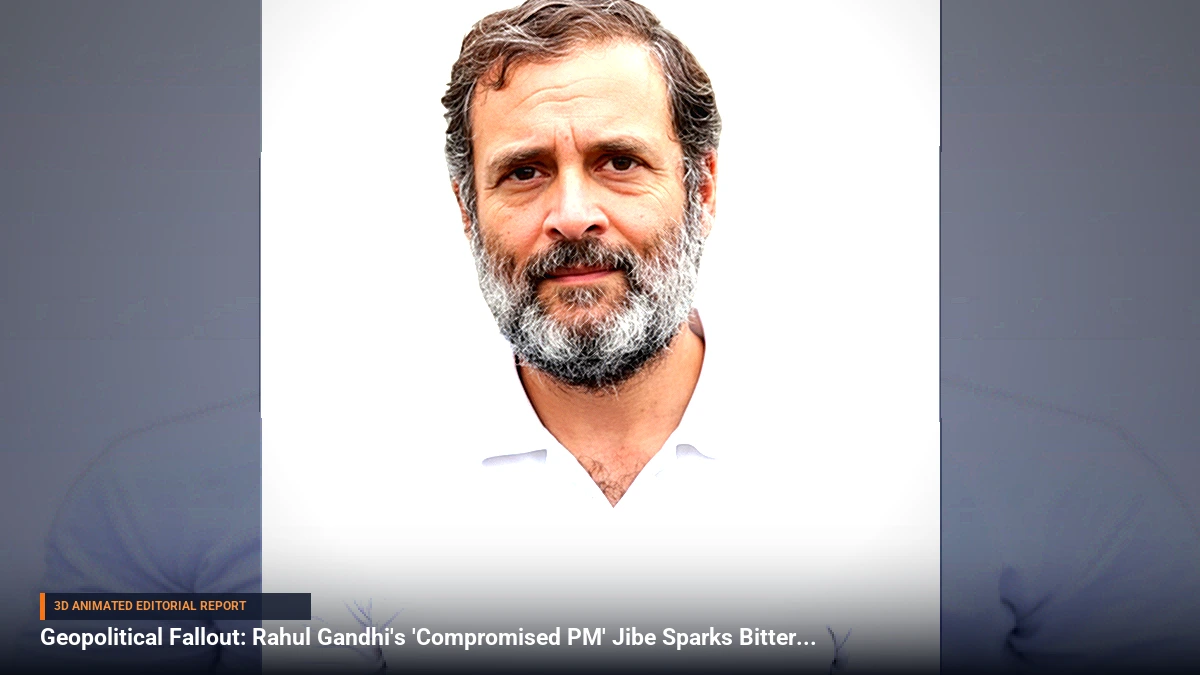
However, the optics of the high-level global gathering quickly reverberated back to New Delhi. Rahul Gandhi, leader of the Indian opposition, took to public platforms and social media to launch a scathing attack on Prime Minister Narendra Modi. Sharing a photograph from the trilateral talks, Gandhi asserted that a "compromised PM" could never secure a seat at such an elite table, further characterizing India's current standing in global geopolitics as that of a mere "side player."
Background & Key Context
The latest verbal confrontation builds upon an intensifying international tour and rhetoric by the Indian opposition leadership. Speaking concurrently at the University of Chicago, Gandhi addressed the state of Indian democracy, declaring it a sacred institution and emphasizing that the opposition would firmly reject any notion of boycotting future polls, vowing instead to expose electoral irregularities head-on.
Simultaneously, the trilateral format involving Washington, Beijing, and Moscow represents a novel and complex realignment of superpower dynamics. The absence of substantive diplomatic deliverables did not stop political commentators and opposition strategists from using the summit as a litmus test for national leadership stature on the world stage.
Key Takeaways
- Trilateral Meeting: Donald Trump, Xi Jinping, and Vladimir Putin held rare, high-level three-way talks centered on nuclear risks without establishing formal agreements.
- Opposition Criticism: Rahul Gandhi lambasted PM Modi's foreign policy leverage, claiming a "compromised PM" lacks the standing to join such exclusive global negotiations.
- Democratic Stance: During his address in Chicago, Gandhi reaffirmed that the opposition will continue participating in elections to safeguard Indian democracy.
- Ruling Party Retaliation: The BJP sharply rebuked Gandhi's remarks, accusing him of undermining national interests on foreign soil.
Impact, Analysis & Global/National Reactions
The domestic political fallout was immediate and visceral. The ruling Bharatiya Janata Party (BJP) launched a fierce counter-offensive against the opposition leader, branding him a "Pak fanboy" and fiercely accusing him of being "paid to defame India" internationally. BJP spokespersons argued that Gandhi's recurring foreign critiques amount to an active disparagement of India’s sovereign achievements and economic progress.
Political analysts note that foreign policy has increasingly become a proxy battleground in Indian domestic politics. While the opposition attempts to leverage shifting global alliances to highlight perceived diplomatic vulnerabilities, the administration's defenders maintain that India's strategic autonomy remains stronger and more assertive than ever.
What's Next: Looking Ahead
As the political class prepares for upcoming domestic electoral cycles and legislative sessions, foreign policy narratives are expected to remain under intense scrutiny. Observers will closely watch how both the ruling coalition and the opposition frame India's bilateral and multilateral engagements amid an increasingly fractured and unpredictable global order.

Be the first to comment
Start a useful conversation around this story.