
What Happened: The Core Developments
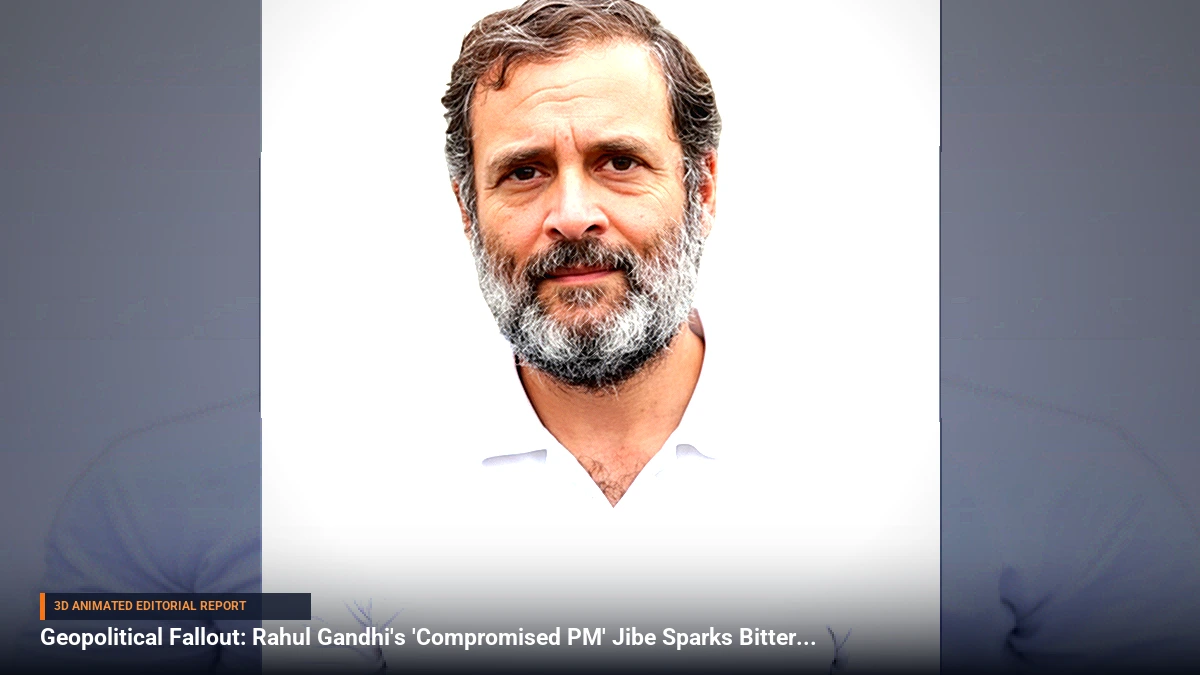
Recent media cycles have been dominated by contrasting stories capturing both high-stakes political debate and viral cultural phenomena. On the political front, senior opposition leader Rahul Gandhi launched a direct critique of India's current foreign policy posture during his interactions abroad, characterizing the nation as a "side player" in modern geopolitics and global affairs. This assertion immediately drew sharp rebukes from the ruling Bharatiya Janata Party (BJP), which countered with strong rhetoric, labeling the opposition leader with a "Pak Fanboy" jab.
Simultaneously, the digital landscape was gripped by a completely different type of controversy within the entertainment sphere. A viral video clip allegedly showcasing gameplay from the highly anticipated video game Grand Theft Auto VI (GTA 6) circulated widely across social media platforms. The footage, featuring graphic content including a player character shooting a virtual woman multiple times, sparked widespread online debate. Prominent public figure and digital commentator Dhruv Rathee weighed in on the matter, publicly warning parents to keep young children away from the title due to its increasingly brutal realism and mature thematic elements.
Background & Key Context
Discussions regarding India's evolving role in international diplomacy have remained a central fixture of political discourse. Opposition figures frequently scrutinize the executive branch's diplomatic engagements, comparing India's strategic positioning against major global powers and historical frameworks. These debates often intensify during international tours by prominent political leaders, where domestic governance and foreign policy intersect on a global stage.
On the cultural side, the Grand Theft Auto franchise has long been a lightning rod for discussions surrounding violence in media, censorship, and parental controls. As graphics engines become hyper-realistic with each new hardware generation, industry analysts note that public scrutiny over the psychological impact of video games on younger audiences invariably intensifies, leading figures in public education and digital safety to issue early precautionary warnings long before a game's official commercial release.
Key Takeaways
- Political Friction: Rahul Gandhi publicly stated that India has been reduced to a "side player" in global geopolitics.
- Ruling Party Response: The BJP swiftly retaliated against the opposition critique, utilizing a pointed "Pak Fanboy" label.
- Viral Gaming Footage: A widely shared clip purportedly from GTA 6 displayed extreme violence, capturing public attention.
- Parental Warnings: Influential digital figures like Dhruv Rathee urged parents to restrict children's access to the upcoming game.
- Media Polarization: Both stories underline how rapidly digital algorithms amplify polarizing opinions across politics and entertainment.
Impact, Analysis & Global/National Reactions
The intersection of these two distinct narratives highlights the diverse drivers of modern public attention. Political analysts suggest that opposition critiques of foreign policy are designed to challenge the ruling establishment's narrative of undeniable global leadership. By pointing to changing dynamics in international negotiations—such as regional peace talks and trilateral frameworks—critics aim to reshape public perception of national influence.
Meanwhile, the gaming controversy reflects ongoing societal anxieties regarding digital media consumption. Stakeholders in the gaming industry argue that adult-oriented titles are clearly rated for mature audiences, yet the viral nature of modern social media platforms often exposes younger demographics to unedited, highly graphic content before traditional safeguards can be applied.
What's Next: Looking Ahead
As political campaigns and diplomatic calendars progress, debates regarding India's strategic alliances and foreign policy efficacy will undoubtedly remain a cornerstone of domestic political discourse. Observers anticipate continued legislative and public sparring over international relations.
In the technology and entertainment sectors, publishers and digital platforms face mounting pressure to address content moderation regarding leaked or viral gameplay footage. Parents and educational advocates are expected to continue pushing for stricter enforcement of age verification protocols as anticipation builds toward the eventual market release of next-generation gaming titles.


Be the first to comment
Start a useful conversation around this story.