
What Happened: The Core Developments
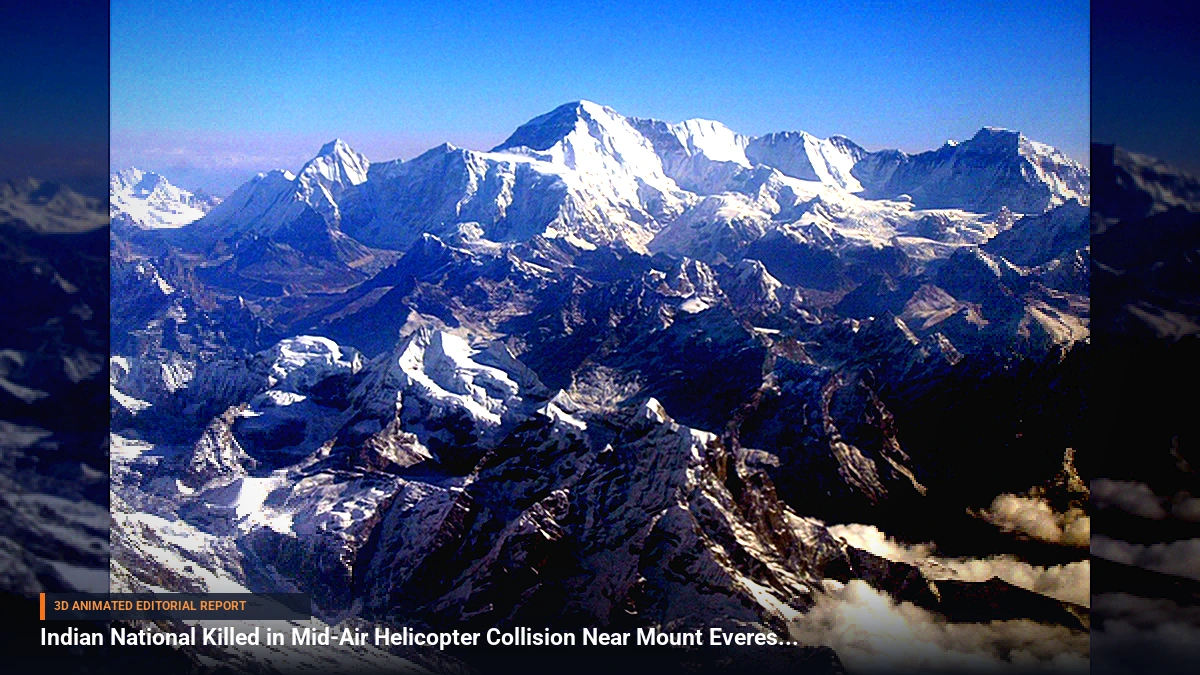
A tragic aviation accident shook the Himalayan tourism corridor when two helicopters collided mid-air near the vicinity of Mount Everest in Nepal. Local authorities and emergency response teams confirmed that the incident resulted in the death of a 47-year-old Indian national. Alongside the fatality, two additional individuals sustained injuries during the impact, including a citizen from New Zealand.
Initial reports from the site near the Everest Base Camp suggest that a technical malfunction may have contributed to the catastrophic mishap. Emergency rescue operations were immediately mobilized to evacuate the injured and secure the crash zone, though adverse high-altitude weather conditions and rugged terrain complicated the initial response phases. Investigators are currently gathering flight data recorders, examining visual evidence from amateur footage captured near the scene, and interviewing surviving witnesses and ground crew members.
Background & Key Context
Nepal's soaring Himalayan geography makes helicopter transport an indispensable lifeline for tourism, rescue missions, and logistics. However, the region is notoriously challenging for aviators. Mountain weather can shift dramatically within minutes, creating sudden visibility drops, severe wind shears, and unpredictable air currents.
Over the past decade, the rapid surge in commercial trekking, luxury mountain tourism, and mountaineering expeditions has driven a massive expansion in rotary-wing traffic. This growing congestion around critical hubs like Lukla and Everest Base Camp has placed immense pressure on air traffic management, regional infrastructure, and regulatory enforcement, leading persistent aviation safety advocates to call for tighter operational protocols.
Key Takeaways
- Fatal Incident: A 47-year-old Indian national lost their life in the mid-air collision near Mount Everest.
- Injuries Reported: Two other individuals, including a New Zealander, sustained injuries and received medical treatment.
- Suspected Causes: Preliminary assessments indicate a potential technical snag played a role in the accident near the base camp corridor.
- Safety Concerns: The crash has intensified scrutiny regarding high-altitude aviation safety and airspace congestion in Nepal.
- Ongoing Investigations: Aviation authorities have launched a formal inquiry to determine the exact sequence of events leading up to the impact.
Impact, Analysis & Global/National Reactions
The incident has sent shockwaves through international mountaineering communities and tourism boards, prompting renewed debates regarding the adequacy of commercial aviation oversight in remote alpine regions. Stakeholders note that while helicopters are vital for emergency medical evacuations, the lack of robust radar coverage and advanced air traffic surveillance in high-altitude zones leaves little margin for error.
"The sheer concentration of commercial flights operating in narrow mountain passes demands an immediate modernization of our tracking and communication infrastructure," remarked an independent regional aviation analyst. Consular officials from India and New Zealand are actively coordinating with Nepalese authorities to provide consular assistance, repatriate the deceased, and support the injured tourists during their recovery.
What's Next: Looking Ahead
As the formal investigation unfolds, Nepalese aviation regulators are expected to face mounting pressure to release preliminary safety findings and enforce stricter flight separation rules. Industry leaders anticipate potential temporary restrictions on non-essential scenic flights during peak weather volatility windows. Furthermore, international pressure from foreign embassies may accelerate broader regulatory reforms aimed at enhancing pilot training standards, mandating modern anti-collision systems, and limiting daily flight slots in congested Himalayan air corridors.





Be the first to comment
Start a useful conversation around this story.