
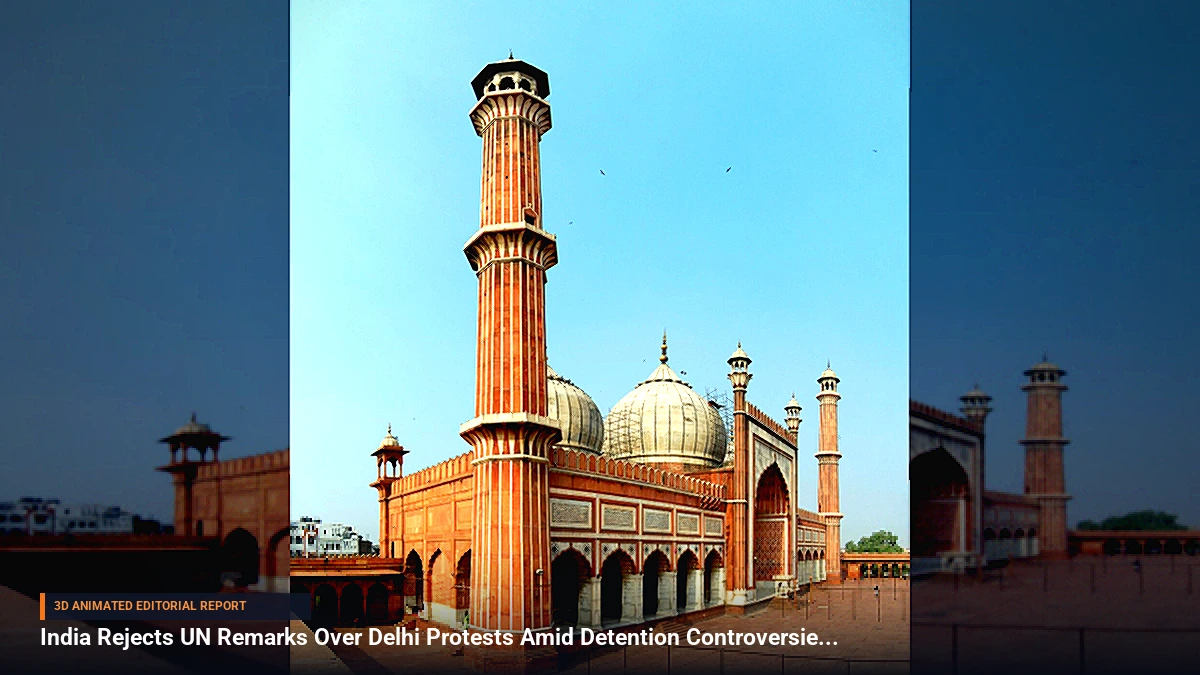
What Happened: The Core Developments
Tensions have flared in New Delhi following a series of localized civil demonstrations that met with heavy security interventions and subsequent detentions. The UN Office of the High Commissioner for Human Rights (OHCHR) publicly voiced apprehension over the restrictive measures deployed against demonstrators, prompting a swift and forceful pushback from New Delhi.
Indian authorities firmly rejected the remarks, characterizing them as misplaced and unwarranted interference in domestic affairs. Meanwhile, international human rights organizations, including Amnesty International, have stepped into the fray, urging law enforcement agencies in the capital to facilitate the fundamental right to peaceful protest rather than imposing lockdown-like constraints.
Background & Key Context
The recent standoff underscores a recurring friction point within the world's largest democracy regarding the management of public dissent. Often described as a landscape of "million mutinies," India's democratic framework frequently accommodates grassroots activism, yet major urban centers like New Delhi regularly experience stringent security crackdowns when demonstrations threaten to disrupt civic order.
In this latest episode, civic groups attempted to mobilize demonstrations—informally dubbed aspects of 'Jantar Mantar 2.0'—to voice various grievances. However, proactive measures by local law enforcement, featuring heavy barricading and immediate detentions, sought to nip the assembly in the bud, setting the stage for domestic and international friction.
Key Takeaways
- UN Intervention: The OHCHR raised formal concerns regarding the handling and detention of protesters in New Delhi.
- New Delhi's Rebuttal: The Indian government dismissed the UN's commentary as unwarranted and outside the scope of constructive international dialogue.
- Civil Society Pressure: Groups like Amnesty International criticized the heavy-handed security approach, advocating for unhindered rights to peaceful assembly.
- Local Enforcement Tactics: Delhi Police utilized strict lockdown-like restrictions and preventive detentions to curtail unauthorized or disruptive gatherings.
- Democratic Discourse: The events reignite a national debate concerning the delicate balance between maintaining public order and upholding constitutional civil liberties.
Impact, Analysis & Global/National Reactions
The public exchange between New Delhi and international watchdogs highlights the sensitivity surrounding state sovereignty and human rights oversight. Analysts point out that while democratic nations often face scrutiny from global bodies, domestic leadership is increasingly quick to defend its administrative actions against external commentary.
Civil liberties advocates argue that preventive detentions undermine the core tenets of democratic participation. Conversely, security analysts and government defenders maintain that robust preventive measures are essential in a densely populated capital to prevent civil unrest and maintain public safety.
What's Next: Looking Ahead
As the dust settles on the immediate confrontations, civil rights advocates are expected to pursue legal and administrative avenues to challenge the legality of mass detentions. Future demonstrations will likely test the willingness of local law enforcement to adapt their crowd-control strategies in alignment with judicial interpretations of free assembly, while diplomatic channels navigate the lingering friction with international human rights monitors.


Be the first to comment
Start a useful conversation around this story.