
What Happened: The Core Developments
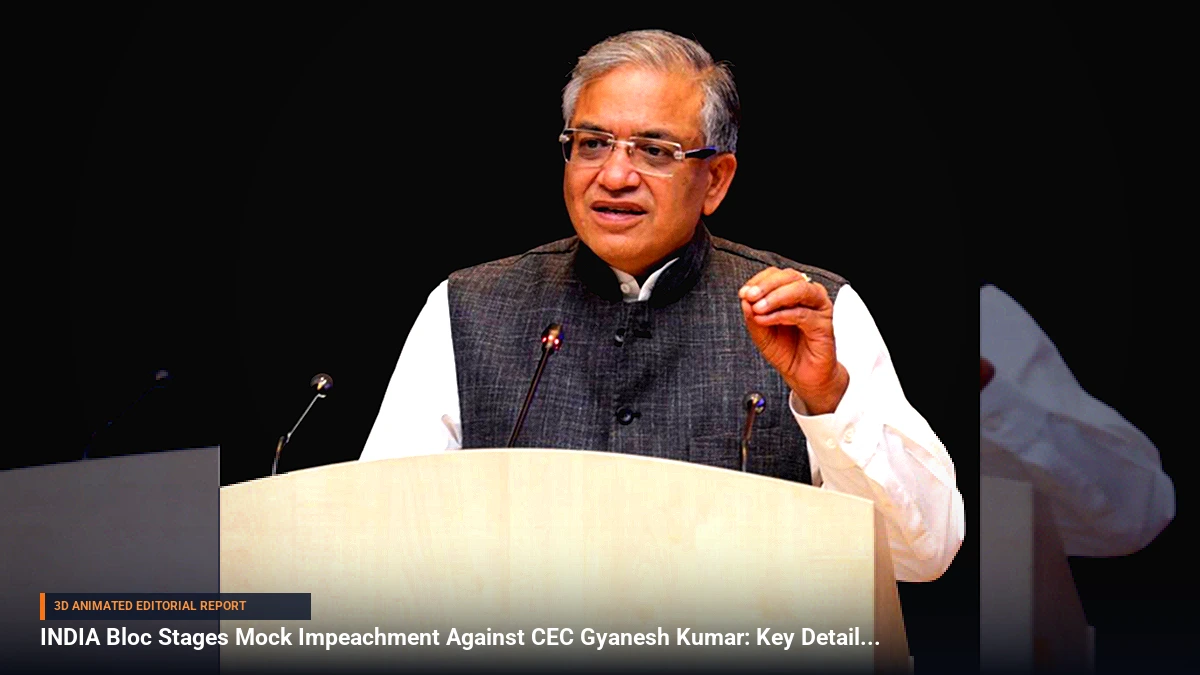
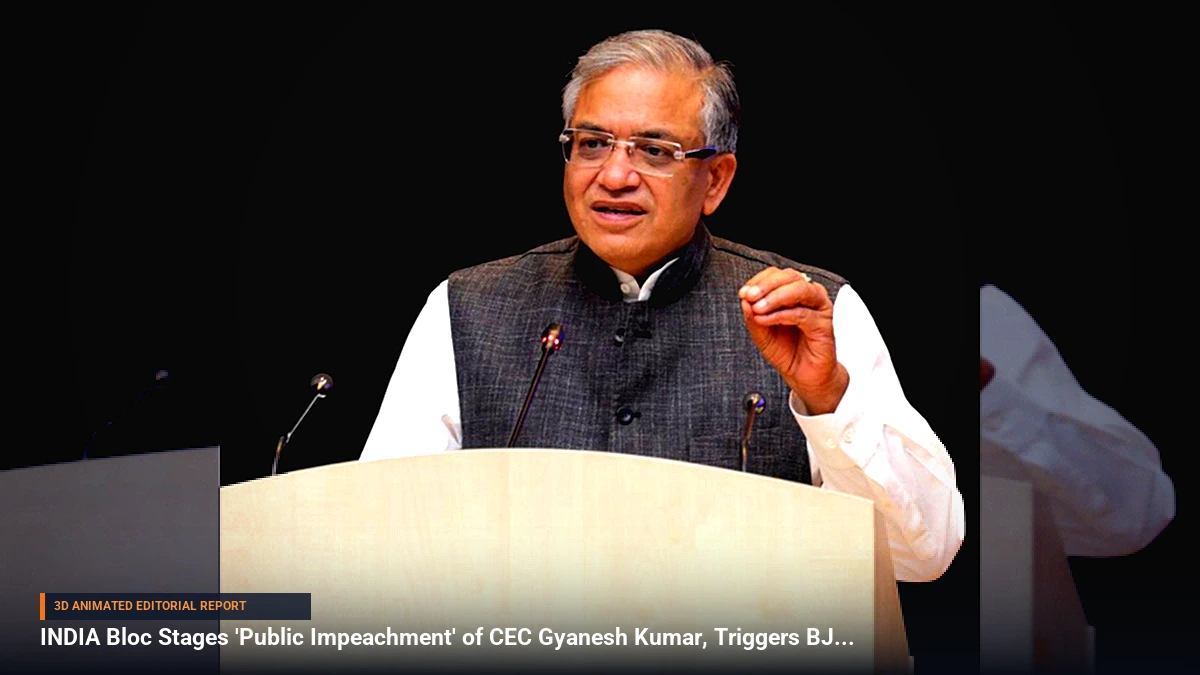
In an unprecedented political maneuver, the opposition INDIA bloc convened a symbolic public impeachment proceeding against Chief Election Commissioner (CEC) Gyanesh Kumar at the New Delhi residence of Leader of the Opposition in the Rajya Sabha, Mallikarjun Kharge. During the gathering, Kharge formally leveled six specific charges against the CEC, asserting that the actions taken by the election watchdog had compromised the integrity of the nation's democratic processes.
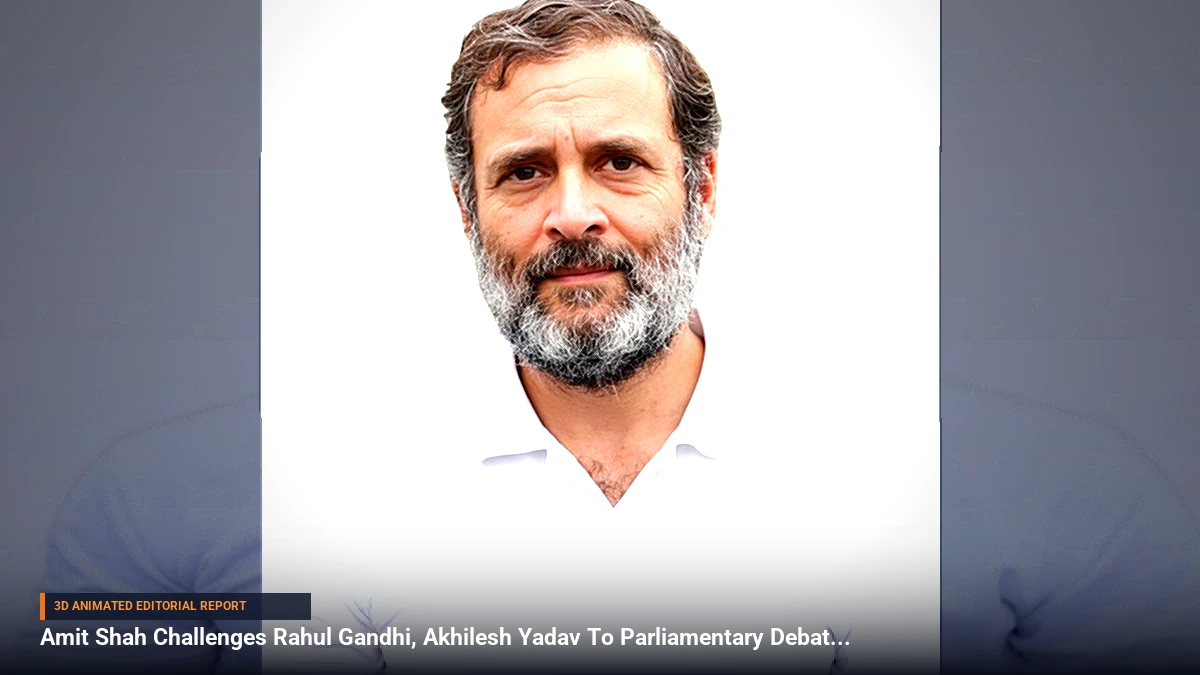
The proceedings adopted a formal parliamentary style. Notably, former Lok Sabha Speaker Meira Kumar presided over the session, acting as the Speaker to lend institutional gravity to the unorthodox event. Senior political figures, including Congress leaders Sonia Gandhi and Rahul Gandhi, were present alongside various other opposition parliamentarians to back the symbolic move.
While outlining the accusations, Kharge emphasized that the opposition held no personal enmity toward the CEC, framing the protest instead as a principled stand to defend constitutional norms and public trust in electoral administration.
Background & Key Context
This mock impeachment represents a dramatic escalation in the ongoing friction between opposition parties and independent statutory bodies in India. Over preceding election cycles, the INDIA bloc repeatedly voiced concerns over administrative transparency, electronic voting machinery, and the management of electoral rolls.
Frustrated by what they perceive as institutional bias and a lack of formal recourse within traditional parliamentary channels—where the ruling coalition maintains numerical dominance—opposition leaders chose to take their grievances directly to the public through this theatrical yet pointed exercise. The choice of Meira Kumar as the mock speaker was deliberately designed to underscore procedural legitimacy, recalling traditional parliamentary oversight.
Key Takeaways
- Unprecedented Format: The INDIA bloc organized a public mock impeachment against CEC Gyanesh Kumar at Mallikarjun Kharge’s residence.
- Formal Charges: Mallikarjun Kharge moved six specific charges against the CEC, demanding accountability and structural reforms.
- High-Level Presence: Top opposition figures, including Sonia Gandhi and Rahul Gandhi, participated in the proceedings.
- Institutional Symbolism: Former Lok Sabha Speaker Meira Kumar presided over the mock session to mimic official parliamentary protocol.
- Ruling Party Backlash: The Bharatiya Janata Party (BJP) heavily criticized the opposition, directing sharp political jabs at Rahul Gandhi.
Impact, Analysis & Global/National Reactions
Political analysts view the mock impeachment as a double-edged sword for the opposition. While it successfully galvanizes the cadre and keeps electoral integrity at the forefront of national discourse, critics argue it risks undermining faith in foundational constitutional institutions.
The ruling Bharatiya Janata Party (BJP) was swift to condemn the exercise. Party spokespersons launched scathing attacks against Leader of the Opposition Rahul Gandhi, mocking the event as a theatrical distraction. The BJP asserted that opposition leaders were resorting to parallel, self-styled forums because they were unable to accept democratic defeat at the ballot box, claiming that Gandhi was now "sitting in a Parliament of his own choice."
Constitutional experts remain divided; some defend the opposition's right to peaceful and creative political dissent, while others caution that direct attacks on the integrity of the Election Commission threaten the neutrality of vital democratic arbiters.
What's Next: Looking Ahead
As political lines harden, the fallout from this symbolic event is expected to reverberate through upcoming parliamentary sessions and public campaigns. The INDIA bloc is reportedly considering further coordinated actions, including potential memorandums or petitions to higher authorities, to press their demands regarding transparency in electoral roll management and voting protocols. Meanwhile, the ruling coalition is expected to use the opposition's unconventional tactics to counter allegations of democratic backsliding, setting the stage for prolonged political confrontation.

Be the first to comment
Start a useful conversation around this story.