
What Happened: The Core Developments
Recent revelations in the ongoing investigation into the tragic death of Indian Institute of Technology (IIT) Bombay student Sahil Wakode have brought fresh scrutiny to campus procedures and administrative conduct. New CCTV footage retrieved from the examination hall captures Wakode's movements during his final exam. The video documents the student seated in the front row before being approached by an invigilator, stopped, and pulled aside briefly between 12:30 PM and 12:45 PM.
The timeline of events immediately following the examination has triggered massive student protests and political intervention. Following allegations of severe academic harassment, bullying, and caste-based abuse leveled against faculty members, Professor Suryanarayana Doolla was sent on leave pending a comprehensive administrative review. Concurrently, law enforcement authorities elevated the investigation, assigning an Assistant Commissioner of Police (ACP)-rank officer to lead a specialized Crime Branch probe into the circumstances surrounding the student's death.
Background & Key Context
Incidents of student distress and institutional friction within India's premier technical institutions have long remained a subject of intense national debate. Academic pressure, competitive environments, and the alienation felt by students from marginalized communities often intersect in complex ways. In the case of Sahil Wakode, grieving family members and student bodies highlighted a pattern of systemic intimidation, prompting widespread calls for systemic reform.
The scrutiny on IIT-Bombay comes amid a broader national conversation concerning mental health support systems, faculty accountability, and the enforcement of anti-caste discrimination protocols on high-stress university campuses. High-profile educational experts, such as physicist H.C. Verma, have also weighed in on the wider pressures and behavioral cultures prevalent in competitive exam ecosystems.
Key Takeaways
- CCTV Evidence: Newly released examination hall footage shows Sahil Wakode being stopped and pulled aside by supervisory staff during his exam.
- Faculty Action: Professor Suryanarayana Doolla has been sent on leave following direct allegations of harassment and caste abuse.
- Crime Branch Probe: An ACP-rank officer has taken over the investigation to ensure an independent and thorough examination of the case.
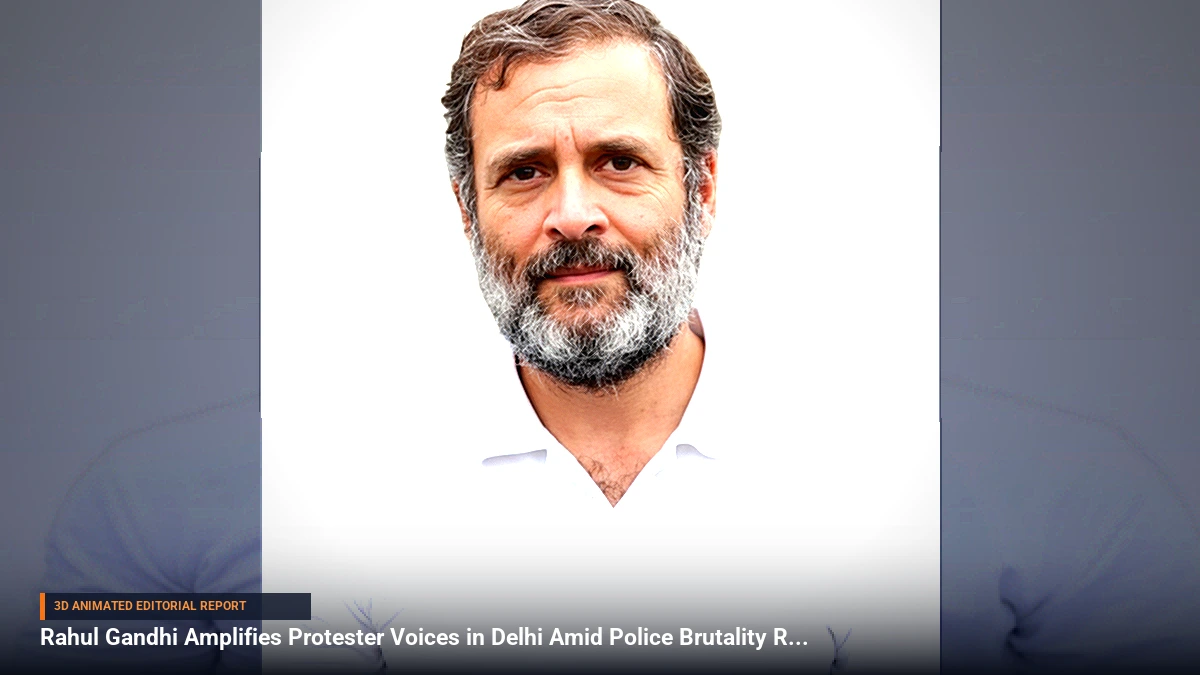
- Political Engagement: Senior political figures, including Rahul Gandhi, have reached out to the victim's parents to offer personal condolences and legal/administrative assistance.
- Campus Unrest: The incident has catalyzed renewed student activism, highlighting persistent concerns regarding institutional accountability and student welfare.
Impact, Analysis & Global/National Reactions
The unfolding situation at IIT-Bombay has exposed deep structural vulnerabilities in how premier Indian institutes manage student grievances, disciplinary actions, and mental health crises. Educational analysts argue that punitive academic environments and a lack of empathetic faculty-student communication create an unsustainable psychological burden for young scholars.
National leaders and civil rights advocates have seized upon the tragedy to demand stricter enforcement of anti-discrimination laws within higher education. The involvement of senior political figures underscores the gravity of the institutional failure alleged by student unions. Meanwhile, academic peers and alumni have called for transparent reviews of faculty conduct, emphasizing that institutional prestige must never supersede student safety and psychological well-being.
What's Next: Looking Ahead
As the Crime Branch deepens its probe under the supervision of the ACP-rank officer, all eyes remain on the official findings of the police investigation and the internal administrative inquiry committee. Stakeholders, including student collectives and Wakode's family, are pressing for formal legal accountability, institutional transparency, and structural changes to counseling and grievance redressal mechanisms across India's premier technical institutions.
Be the first to comment
Start a useful conversation around this story.