
What Happened: The Core Developments
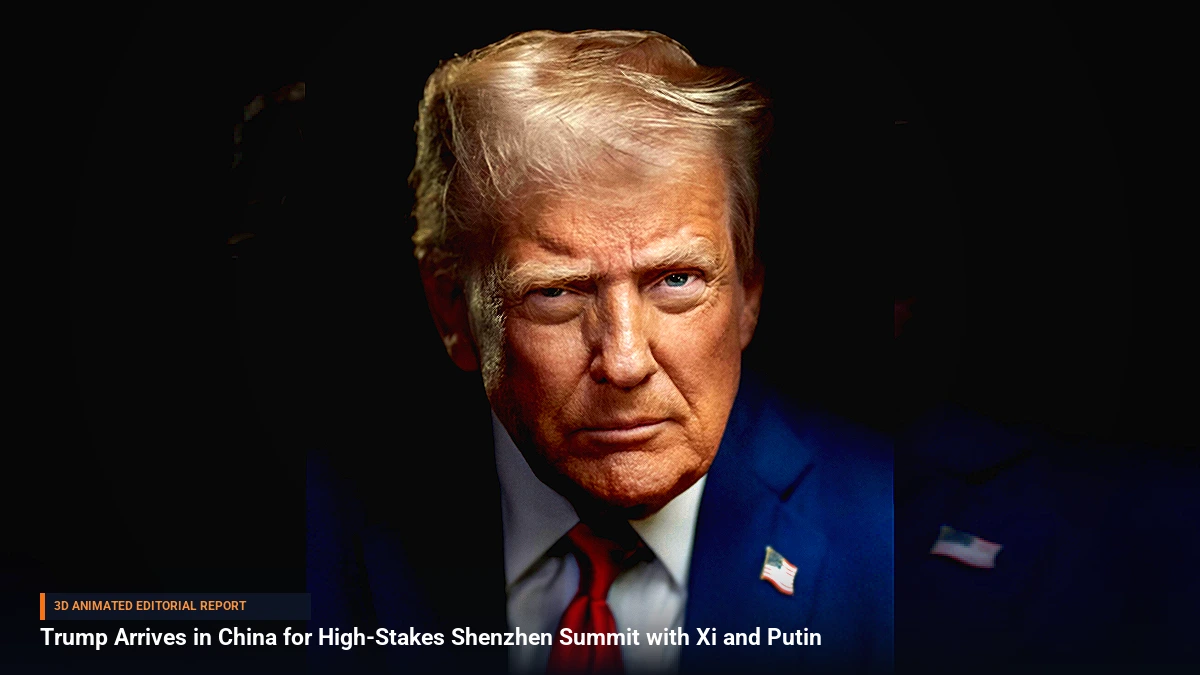
Geopolitical tensions have taken center stage at the latest Asia-Pacific Economic Cooperation (APEC) summit, highlighted by high-level maneuvering between global superpowers and regional players. Chinese President Xi Jinping used the international platform to declare that Beijing and Moscow must spearhead the global transition toward a multipolar world order. Simultaneously, Russian leadership launched sharp critiques against traditional Western influence.
Amidst these macro-level power dynamics, regional representation disputes have also come to a head. Taipei has maintained close, ongoing communication with the United States ahead of crucial diplomatic dialogues involving US, Chinese, and Russian officials. To represent its interests at the China-hosted summit, Taiwan dispatched Acer founder Stan Shih to Shenzhen, underscoring a pragmatic approach to economic diplomacy despite deep-seated political friction.
Background & Key Context
The APEC summit has traditionally served as a premier economic forum for Pacific-rim nations to foster trade and collaborative growth. However, in recent years, the annual gathering has increasingly morphed into a high-stakes arena for grand strategy and ideological posturing. The alignment between Beijing and Moscow has deepened significantly through various economic and diplomatic channels, particularly as both nations face persistent economic and political pressure from Western allies.
For Taiwan, participating in APEC requires delicate navigation. Because of Beijing's One China principle, Taipei is barred from sending high-ranking political officials to the summit, forcing the island democracy to rely on prominent business figures like Stan Shih to make its voice heard on the international stage. The prior coordination with Washington highlights the robust, albeit unofficial, alliance that underpins Taiwan's security and diplomatic viability.
Key Takeaways
- Superpower Alignment: Chinese President Xi Jinping explicitly called for China and Russia to lead the international push away from Western-dominated systems toward a multipolar world.
- Sharp Rhetoric: Russian President Vladimir Putin characterized Western nations as "former hegemons" and claimed that Europe is undergoing a "humiliating decline."
- Taiwan's Strategic Positioning: Taipei confirmed it is in close contact with US officials ahead of sensitive trilateral and multilateral diplomatic engagements at the summit.
- Business Diplomacy: Acer founder Stan Shih traveled to Shenzhen to represent Taiwanese interests, navigating a complex political environment at a China-hosted event.
- Evolving Forum Dynamics: Economic cooperation is increasingly overshadowed by broader strategic competition between the US-led order and Sino-Russian partnerships.
Impact, Analysis & Global/National Reactions
The coordinated messaging from Beijing and Moscow signals a concerted effort to rally developing and regional economies against traditional Western dominance. Analysts note that framing current global shifts as a transition to a multipolar reality resonates with nations seeking alternative economic and security architectures that do not rely strictly on Washington or Brussels.
Conversely, the close coordination between Taiwan and the United States demonstrates a unified front to ensure that democratic, market-driven economies remain resilient against potential diplomatic marginalization. Observers emphasize that Taiwan's active engagement—despite the inherent constraints of a China-hosted summit—proves its determination to maintain an active role in global supply chain and economic discussions.
What's Next: Looking Ahead
As the APEC summit progresses, attention will shift toward the bilateral and trilateral outcomes emerging from closed-door meetings between American, Chinese, and Russian representatives. Stakeholders and global markets will closely monitor whether the rhetoric translates into concrete policy shifts or retaliatory trade measures.
Furthermore, Taiwan's ongoing diplomatic communications with Washington will likely set the tone for future regional security dialogues. As the friction between traditional Western alliances and the Sino-Russian axis intensifies, middle powers and smaller economies face growing pressure to navigate an increasingly fractured global landscape.

Be the first to comment
Start a useful conversation around this story.