
What Happened: The Core Developments
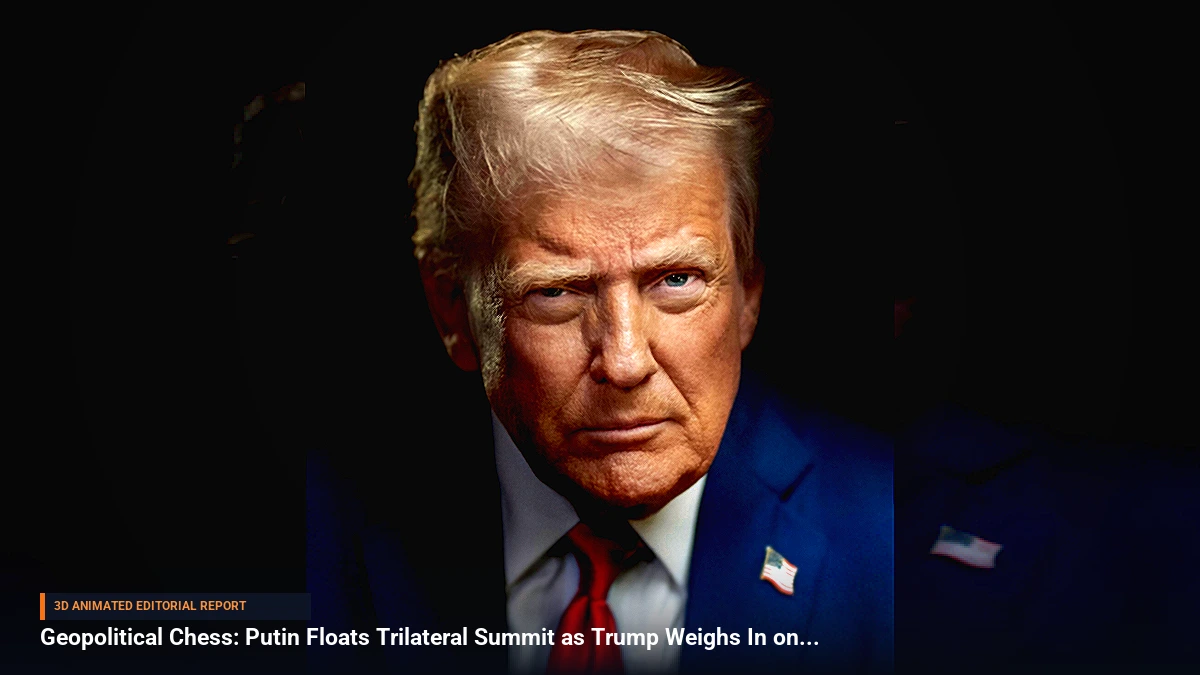
Recent geopolitical maneuvers have thrust international diplomacy and electoral interference back into the global spotlight. Russian President Vladimir Putin has reportedly proposed a trilateral summit involving himself, Donald Trump, and Chinese President Xi Jinping specifically to negotiate a settlement regarding the ongoing war in Ukraine. The proposed format notably sidelines Ukrainian leadership, raising alarms among Western allies and Kyiv regarding potential backroom deals concerning sovereign territory.
Simultaneously, former U.S. President Donald Trump has made waves abroad by stepping directly into foreign electoral politics. Trump formally endorsed Israeli Prime Minister Benjamin Netanyahu for re-election, pairing his backing with pointed warnings cautioning the Israeli electorate against choosing the "wrong leader." These parallel developments underscore an aggressive resurgence of personal diplomacy and trans-national political influence.
Background & Key Context
The floating of a tripartite summit between Moscow, Beijing, and Washington reflects long-standing Russian efforts to frame the Ukraine conflict as a grand-strategic contest exclusively between major global superpowers, marginalizing European and Ukrainian agency. By leveraging relationships with China and attempting to engage American political figures, Moscow seeks to shift the narrative around the war's resolution.
On the Middle Eastern front, Trump's endorsement of Netanyahu arrives during a critical juncture in Israeli domestic politics. Past U.S. administrations have generally maintained a diplomatic veil of neutrality during allied elections, making explicit endorsements and warnings about alternative leadership choices a notable departure from traditional foreign policy protocol. Netanyahu, often championed by supporters as a stalwart security leader, faces a deeply polarized domestic electorate.
Key Takeaways
- Trilateral Proposal: Russian President Vladimir Putin has floated a high-level summit with Donald Trump and Xi Jinping to discuss the Ukraine conflict.
- Exclusion of Kyiv: The proposed diplomatic framework notably leaves Ukrainian stakeholders out of the direct negotiation room.
- Electoral Endorsement: Donald Trump issued a strong endorsement of Benjamin Netanyahu for re-election in Israel.
- Strategic Warnings: The U.S. endorsement included explicit warnings directed at the Israeli public regarding leadership choices.
- Global Ramifications: Both events highlight how domestic political fortunes and international conflicts are increasingly intertwined with personal political alliances.
Impact, Analysis & Global/National Reactions
Foreign policy experts and international analysts view Putin's summit proposal as a calculated effort to drive a wedge between Western allies and test the future trajectory of U.S. foreign policy. By targeting leaders outside the current diplomatic mainstream, Moscow aims to establish favorable pre-conditions for any future peace talks.
"The attempt to architect a peace framework for Ukraine without Ukrainian representation violates fundamental principles of national sovereignty," noted one senior European diplomat speaking on condition of anonymity. Meanwhile, reactions to Trump's intervention in Israeli politics remain deeply divided; supporters praise the continuity of a strong U.S.-Israel partnership, while critics argue that foreign leaders should refrain from attempting to sway sovereign democratic elections.
What's Next: Looking Ahead
As these geopolitical initiatives unfold, international observers will closely monitor how current and prospective Western leaders respond to Moscow's diplomatic overtures. Furthermore, the immediate impact of high-profile foreign endorsements on tightly contested foreign elections will serve as a bellwether for future international political interventions. Markets and policymakers remain on high alert for any formal shifts in alliance structures or peace negotiation frameworks.
Be the first to comment
Start a useful conversation around this story.