
What Happened: The Core Developments
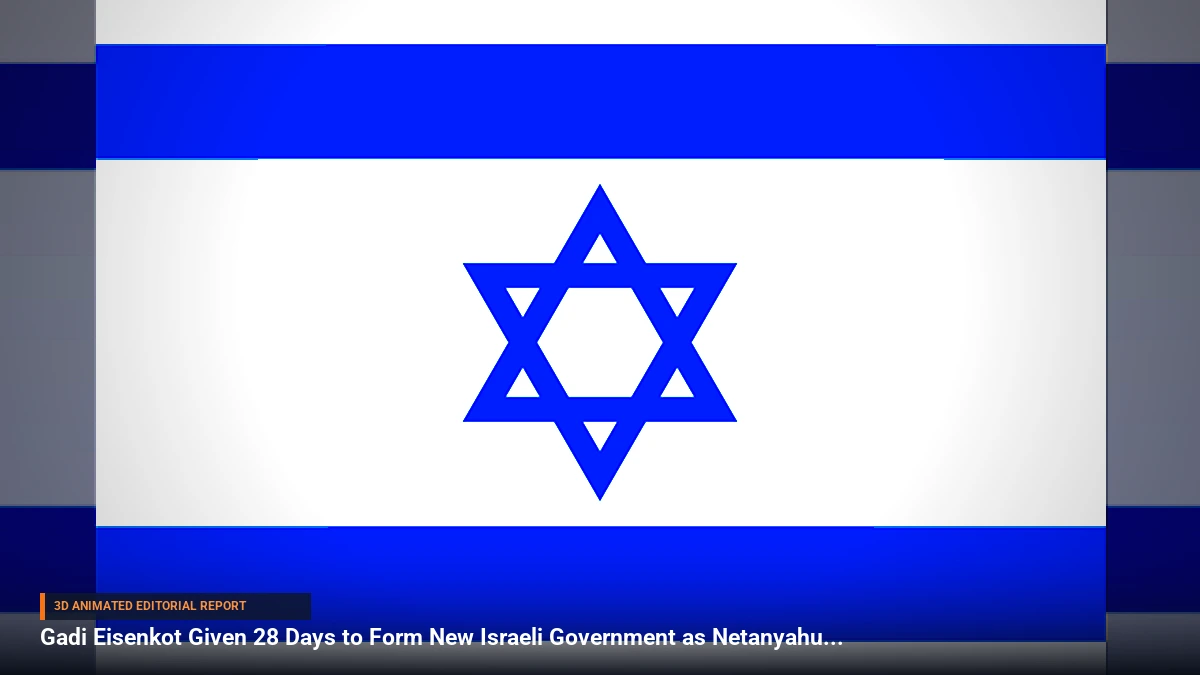
Israeli political dynamics have entered a period of intense negotiation following the formal assignment of a 28-day mandate to opposition figure Gadi Eisenkot to assemble a new government. This development marks a significant challenge to the established political order, initiating a high-stakes scramble across the political spectrum to secure the necessary legislative numbers.
In response to the shifting landscape, Gadi Eisenkot has actively reached out to various factions, including allies of longtime leader Benjamin Netanyahu. Observers note that Eisenkot has shown openness to the possibility of Netanyahu or his supporters joining the next administration, reflecting the arithmetic realities and complexities of forming a stable coalition in Israel's fragmented parliament.
Background & Key Context
The mandate comes at a delicate juncture for Israeli domestic politics, characterized by deep polarization and complex coalition requirements. Forming a governing majority typically demands navigating competing ideological priorities among secular, religious, and nationalist parties. Eisenkot’s emergence as a mandate-holder represents a fresh avenue for breaking prolonged political stalemates, though securing a durable parliamentary majority within the stringent 28-day constitutional window remains an uphill task.
Simultaneously, Netanyahu has publicly voiced a willingness to explore broad-based governance models, signaling potential flexibility as opposition-led coalition talks gain momentum. However, political analysts continue to scrutinize the viability of these configurations given historical rivalries and policy disagreements over national security and governance.
Key Takeaways
- The 28-Day Mandate: Gadi Eisenkot holds a strictly timed window to negotiate and successfully form a new Israeli government.
- Strategic Outreach: Eisenkot has engaged directly with Netanyahu allies, keeping the door open for broader political inclusion.
- Netanyahu's Stance: The incumbent leader has expressed openness to exploring a unity government framework.
- Coalition Arithmetic: Building a stable majority requires delicate compromises across historically fractured ideological lines.
- Political Shift: The development represents a notable pivot in Israel's legislative calculus, creating new pathways for power-sharing.
Impact, Analysis & Global/National Reactions
Political analysts view Eisenkot's maneuverings as both pragmatic and precarious. By extending overtures across political divides, the opposition figure is attempting to bridge deep ideological chasms that have historically derailed unity efforts. International observers and domestic stakeholders are monitoring the negotiations closely, recognizing that any resulting administration will heavily influence regional stability, foreign policy, and domestic reform.
While Netanyahu has hinted at receptiveness toward unity arrangements, critics and allies alike remain divided on how a power-sharing agreement would function in practice. The dialogue highlights the ongoing friction between pursuing narrow ideological governance and establishing broad consensus during periods of national challenge.
What's Next: Looking Ahead
As the 28-day clock ticks down, all eyes remain on Eisenkot's coalition-building team as they race to lock in commitments from potential partner parties. The coming weeks will determine whether pragmatic compromises can overcome entrenched partisan divides, or if Israel faces yet another cycle of political uncertainty and potential new elections.


Be the first to comment
Start a useful conversation around this story.