
What Happened: The Core Developments
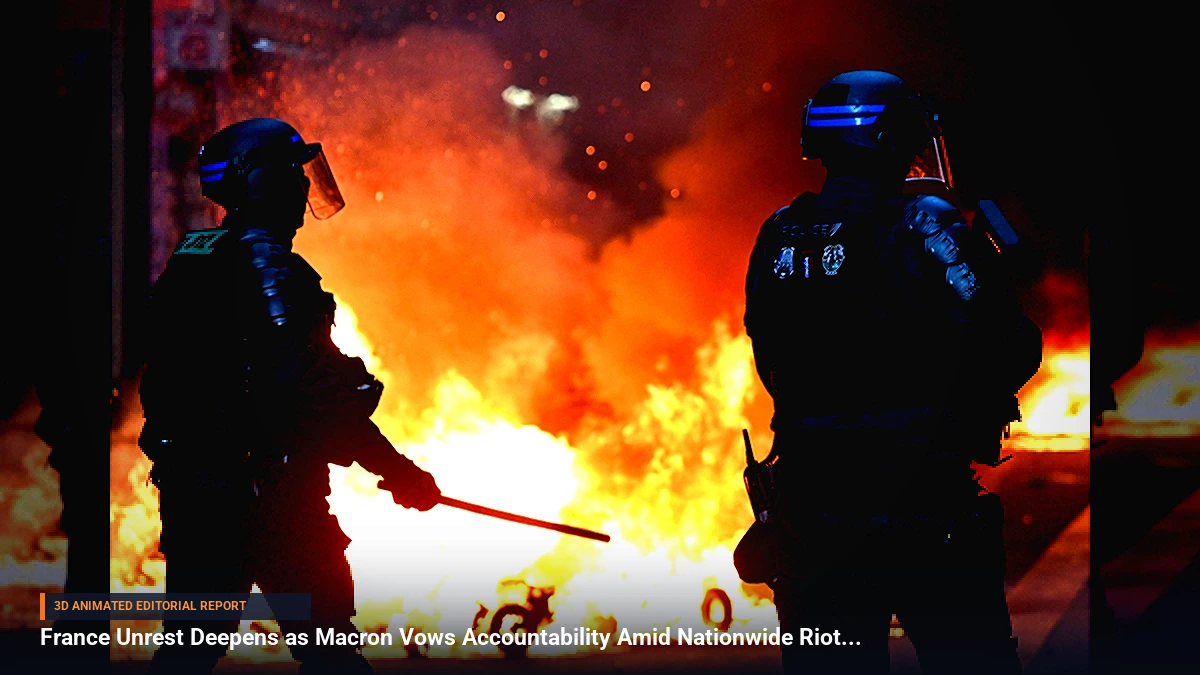
A wave of intense civil unrest has gripped multiple French cities, transforming peaceful expressions of public frustration into violent urban confrontations. Demonstrations have been marked by widespread fires, aggressive street clashes, and opportunistic looting targeting prominent luxury retail stores. In an escalation of the destruction, rioters set fire to a historic public building, causing significant structural damage and drawing immediate condemnation from national authorities. Emergency services have struggled to contain multiple blazes simultaneously as police lines confront groups throwing projectiles and setting barricades ablaze.
Background & Key Context
The current crisis represents a volatile convergence of long-standing systemic grievances and immediate economic pressures. At the heart of the movement is profound public anger regarding the deteriorating conditions within the French public school system, where teachers, parents, and students have repeatedly raised alarms over inadequate infrastructure, funding shortages, and resource constraints. This localized educational discontent collided with widespread societal frustration over soaring inflation, high living costs, and diminishing household purchasing power, creating a tinderbox of socioeconomic discontent that quickly transcended peaceful political expression.
Key Takeaways
- Nationwide Unrest: Violent protests, fires, and destructive riots have swept across multiple urban centers in France.
- Dual Grievances: The demonstrations are fueled by a potent mix of anger over poor school conditions and severe economic pressure from high living costs.
- Destruction of Property: Rioters have engaged in widespread looting of luxury stores and set fire to a historic building.
- Government Stance: President Emmanuel Macron has taken a hardline stance, declaring that those responsible will be held fully accountable.
- Threat to Democratic Institutions: Leadership has characterized the severity of the riots as an explicit attempt to bring down the French Republic.
Impact, Analysis & Global/National Reactions
The violent turn of events has placed immense pressure on the administration of President Emmanuel Macron, forcing the government to balance maintaining public order with addressing the legitimate economic and educational anxieties of its citizenry. French leadership has adopted an uncompromising posture against the criminality observed in the streets. President Macron publicly vowed that rioters will "pay for their crimes," emphasizing that the chaotic acts of destruction were not legitimate protests, but rather deliberate attempts to challenge the foundations of the democratic state.
Analysts note that the unrest highlights deep fractures in the French social contract. The fusion of economic hardship with institutional decay in public services has historically served as a catalyst for major French social movements, yet the scale of the recent property destruction and attacks on cultural heritage marks a particularly dangerous escalation. Stakeholders in the retail, municipal governance, and education sectors are calling for urgent dialogue alongside heightened security measures to restore stability.
What's Next: Looking Ahead
The immediate priority for French authorities remains restoring public safety and securing urban centers against further nocturnal violence. However, the longer-term political test for Macron's administration lies in addressing the root causes that mobilized the populace. The government faces mounting pressure to deliver concrete policy responses regarding public education funding and cost-of-living relief measures. Upcoming legislative sessions and administrative addresses are expected to outline emergency relief packages, alongside intensive judicial proceedings aimed at prosecuting those identified during the recent riots.



Be the first to comment
Start a useful conversation around this story.