
What Happened: The Core Developments
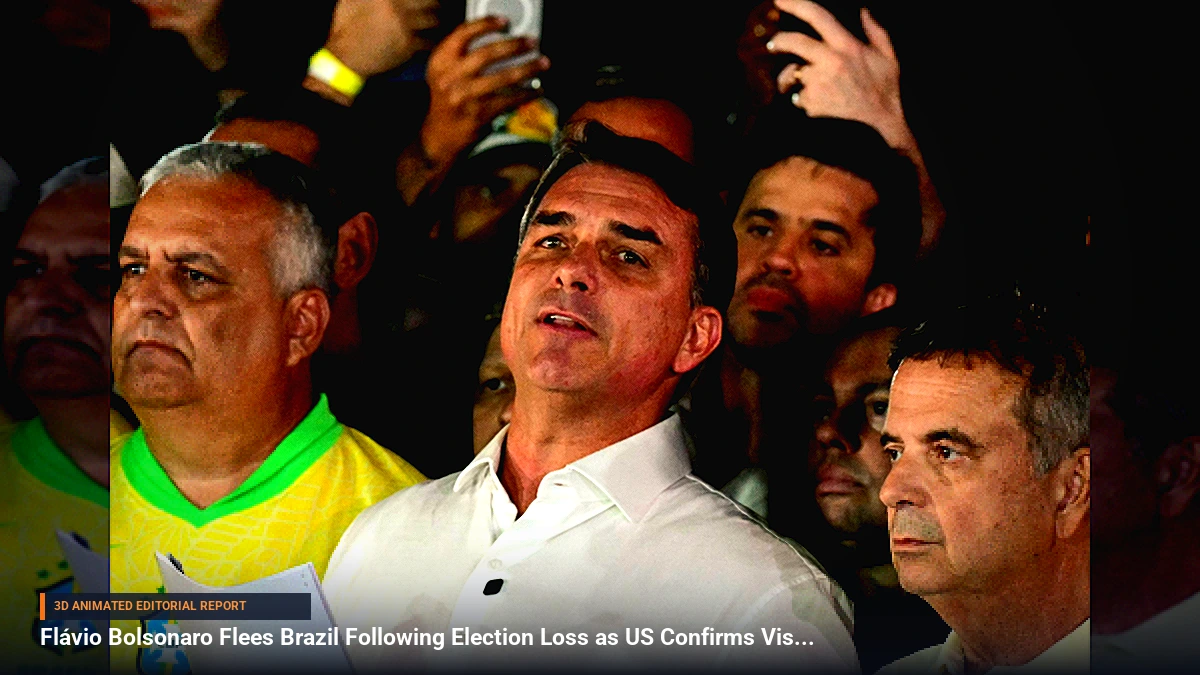
In a dramatic turn of events that has sent shockwaves through Latin American politics, Flávio Bolsonaro left Brazil mere hours after suffering a decisive defeat in the national presidential elections. The sudden exit has placed Brazilian federal authorities, judicial watchdogs, and international diplomats on high alert.
The departure comes directly in the shadow of heightened legal pressure. Just one day prior to his departure, Brazil’s Supreme Court had formally ordered Flávio Bolsonaro to surrender his passports. This judicial mandate was issued in connection with an ongoing, high-profile money-laundering inquiry. Despite the court-ordered restrictions intended to keep him within national jurisdiction, Bolsonaro managed to depart the country, prompting immediate questions from investigators regarding how the travel was executed while active judicial mandates were in play.
Adding an intricate geopolitical layer to the unfolding drama, the United States State Department publicly confirmed that it will grant a visa to the prominent political figure. This announcement has intensified public debate in Brazil, where civil society groups and legal experts are closely monitoring whether international shelter might complicate domestic enforcement efforts.
Background & Key Context
The Bolsonaro family has long maintained a polarizing presence on the global and domestic stages, characterized by populist campaigns and recurrent friction with Brazil’s supreme judicial branch. The recent presidential election cycle served as a vital referendum on the conservative movement's future leadership following the elder Bolsonaro's political bans.
As the electoral landscape shifted against Flávio Bolsonaro, parallel legal jeopardy began to close in. Brazilian investigators have spent months probing financial networks tied to various members of the political dynasty. The specific money-laundering inquiry that triggered the Supreme Court's emergency passport surrender order represents a concerted effort by Brazil's independent judiciary to prevent flight risks among high-ranking political figures facing corruption allegations. However, the intersection of active legal restrictions and international mobility has once again exposed vulnerabilities in cross-border judicial cooperation.
Key Takeaways
- Sudden Departure: Flávio Bolsonaro fled Brazil hours after losing the national presidential election.
- Judicial Conflict: His exit directly followed a Brazilian Supreme Court order mandating the surrender of his passports over money-laundering allegations.
- US Visa Confirmation: The United States State Department stated it will issue a visa to Bolsonaro, complicating international optics.
- Enforcement Questions: Brazilian authorities are actively questioning how the departure occurred while judicial restrictions were supposedly in effect.
- Political Fallout: The event marks a major escalation in ongoing tensions between Brazil's conservative political factions and its federal judiciary.
Impact, Analysis & Global/National Reactions
The immediate fallout from the departure has exposed deep divisions regarding the limits of judicial reach when confronted with international diplomacy. Legal scholars within Brazil argue that the swift issuance of a foreign visa undermines local anti-corruption measures and sets a challenging precedent for prosecuting high-profile political figures.
"When judicial mandates aimed at preserving accountability are seemingly bypassed by international travel options, public trust in the rule of law faces an uphill battle," noted institutional analysts observing the situation from Brasília. Conversely, supporters of the Bolsonaro family frame the legal inquiries as politically motivated persecution, arguing that international relocation is a necessary defense against a partisan judiciary.
International relations experts point out that the U.S. State Department's stance underscores the complex diplomatic balancing act Washington faces when handling political allies seeking entry during domestic crises. While standard consular procedures apply, granting entry to a prominent figure facing active money-laundering probes inevitably invites diplomatic friction between the two hemispheric partners.
What's Next: Looking Ahead
As Brazilian federal police and judicial authorities review the circumstances surrounding the departure, attention now shifts to the Supreme Court's next moves. Legal teams are expected to debate whether formal extradition requests or international cooperative measures will be pursued to bring Bolsonaro back for questioning.
Domestically, the incident will likely fuel ongoing legislative debates regarding border monitoring, judicial enforcement powers, and the accountability of political elites. For international observers, the episode serves as a clear indicator of how deeply domestic political volatility and transnational diplomacy remain intertwined in modern Latin America.

Be the first to comment
Start a useful conversation around this story.