
What Happened: The Core Developments
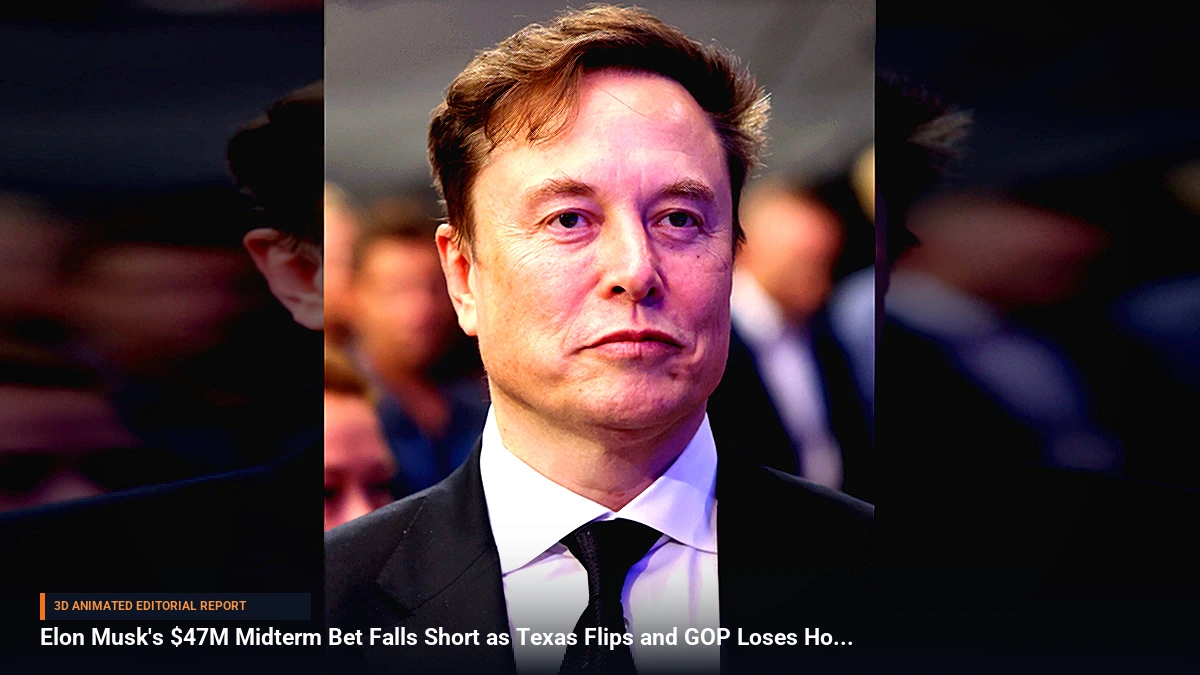
The recent United States midterm elections have delivered a sharp wake-up call to high-spending outside political groups, particularly those backed by the world's wealthiest individuals. Elon Musk's political action committee poured staggering sums into high-profile races, including a notable $47 million contribution aimed at securing victory for Ken Paxton's campaign in Texas.
However, these financial injections failed to deliver the anticipated political shield. Instead of locking down conservative strongholds, the fierce electoral battles saw Texas experience surprising shifts, contributing to a broader national wave that ultimately resulted in the Republicans losing control of the US House. Rather than securing a legislative safe haven for conservative policy, the multi-million-dollar gamble yielded a sharply divided and politically hostile federal landscape.
Background & Key Context
Billionaire involvement in American politics has reached unprecedented heights over the past decade, yet the sheer scale of direct capital deployment by tech moguls remains a subject of intense public and regulatory debate. Elon Musk's transition from outspoken social media commentator to major political mega-donor marked a pivotal shift in how corporate titans engage with the electoral process.
Historically, Texas has served as a reliable bastion for conservative candidates, making heavy Republican investments in the state appear as safe strategic maneuvers. However, demographic shifts, shifting voter turnout, and progressive organizing have steadily eroded comfortable margins. When outside super PAC money flooded these races, it drew sharp criticism from Democratic opponents who accused wealthy donors of attempting to buy local outcomes, setting the stage for an explosive post-election reckoning.
Key Takeaways
- Massive Financial Outlay: Elon Musk's PAC contributed $47 million directly to high-profile Texas races, notably backing Ken Paxton.
- Electoral Defeat: Despite record-breaking spending, the anticipated Republican sweep in critical regions faltered as key areas shifted away from the GOP.
- House Control Shifts: The broader national outcome saw the Republican Party lose its majority in the US House of Representatives.
- Sarcastic Public Response: Following the election results, Musk took to social media to offer wry, sarcastic commentary regarding his financial influence and the outcome.
- Regulatory Vulnerability: With Democrats regaining momentum in Washington, enterprises across Musk's corporate portfolio now face potential legislative and regulatory headwinds.
Impact, Analysis & Global/National Reactions
The immediate aftermath of the midterms has triggered a profound reassessment of the limits of campaign finance. Political analysts point out that while massive capital can amplify messaging and mobilize base voters, it cannot completely insulate candidates from broader macroeconomic discontent or shifting demographic tides.
In the wake of the losses, Elon Musk addressed the outcome with characteristic irony, posting sarcastic remarks online that queried the effectiveness of his own "election-interfering" expenditures. Beyond the rhetorical jousting, institutional stakeholders are sounding alarm bells regarding the future. Market watchers and political strategists note that the loss of Republican House control strips away a vital line of defense for corporate leaders who have frequently clashed with federal regulatory bodies. Democrats are now positioned to launch intensive congressional oversight and legislative inquiries targeting technology monopolies and high-profile government contractors.
What's Next: Looking Ahead
As the new legislative session approaches, all eyes will turn to Capitol Hill to see how newly empowered Democratic committee chairs plan to leverage their oversight powers. For Musk and his business empire—spanning aerospace, electric vehicles, and social media—the immediate future will likely involve navigating heightened regulatory scrutiny, potential antitrust hearings, and a more aggressive posture from federal regulators. Meanwhile, political action committees on both sides of the aisle are re-evaluating their strategies, realizing that record-shattering budgets are no guarantee of electoral success in an increasingly volatile electorate.

Be the first to comment
Start a useful conversation around this story.