

What Happened: The Core Developments
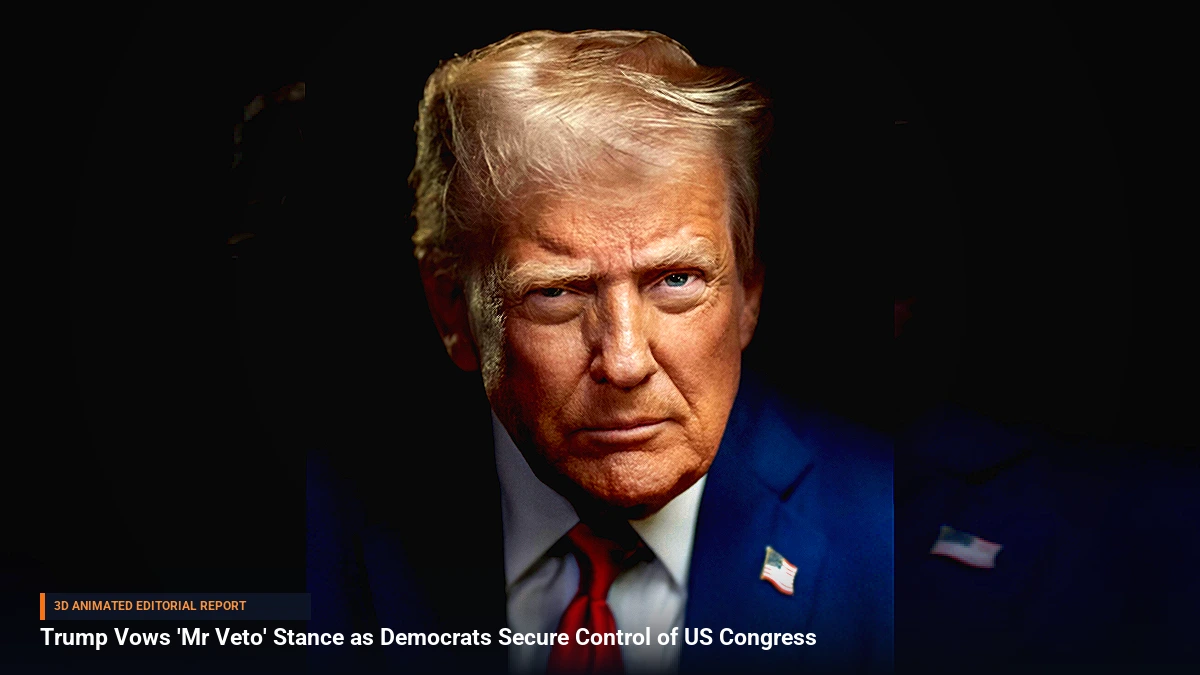
The 2026 United States midterm elections culminated in a dramatic political realignment, with Democrats winning control of Congress in a sweeping rebuke of the incumbent administration's legislative and foreign agendas. The outcome marks a major reversal of power in Washington, stripping the ruling party of its legislative majorities in both the House and the Senate.
Immediate consequences riounded through Capitol Hill and financial markets alike. Following the monumental losses, House Republican leadership saw immediate upheaval, with Mike Johnson announcing he will not seek a House leadership role moving forward. Meanwhile, financial markets reacted with unexpected vigor; Wall Street surged at the open as trading commenced following the confirmation of the congressional shift. Major indices posted strong gains, reversing overnight futures drops driven by earlier anxiety over potential regulatory crackdowns.
Background & Key Context
Midterm elections historically serve as a referendum on the sitting president's agenda, but the 2026 cycle was uniquely defined by profound geopolitical entanglements and domestic economic anxieties. Chief among them was the escalating military involvement in the Middle East. The protracted war on Iran had dominated headlines for months, drawing mounting criticism from voters concerned about economic stability, inflation, and the human cost of prolonged foreign intervention.
As election night tallies rolled in, it became clear that traditional partisan lines were bending. Disaffected voters, including key demographics that had previously supported the administration, shifted their allegiance or stayed home, creating an insurmountable wave for Democratic candidates nationwide.
Key Takeaways
- Congressional Control: Democrats successfully captured majorities in both chambers of Congress, completely altering the legislative landscape for the remainder of the presidential term.
- Foreign Policy Blame: Vice President JD Vance openly pointed to the ongoing war on Iran as the primary driver behind the Republican defeat, acknowledging that public sentiment had turned sharply against the conflict.
- Leadership Fallout: High-ranking Republican figures began stepping aside, most notably Mike Johnson confirming he would forego future House leadership bids.
- Market Surge: Wall Street responded positively to the divided government outcome, with major indices climbing as investors priced in a check on sweeping executive policies.
- International Response: Global leaders and diplomatic negotiators interpreted the results as a definitive domestic rejection of military escalation, particularly regarding Iran.
Impact, Analysis & Global/National Reactions
The admission from the executive branch regarding the electoral cost of foreign entanglements was swift and stark. Vice President JD Vance did not mince words in post-election assessments, noting that it was "obvious to almost everyone" that the military campaign against Iran served as the core catalyst for the brutal losses, even remarking that the administration's own internal metrics reflected deep voter alienation.
Internationally, the reaction was equally pronounced. Iran's top nuclear and diplomatic negotiators interpreted the ballot box outcome as a clear mandate from the American public, stating that voters had sent an unequivocal "no to war" message. European and regional allies also weighed in, with political figures suggesting the shift presents a vital window of opportunity for the global community to refocus efforts on diplomatic resolutions, ending active conflicts, and stabilizing international supply chains and cost-of-living pressures.
What's Next: Looking Ahead
With a newly empowered Democratic majority taking the reins of Capitol Hill, Washington is bracing for a period of intense legislative gridlock and aggressive oversight. The incoming congressional leadership has already signaled plans to scrutinize executive spending, foreign policy decisions, and regulatory enforcement, particularly concerning emerging technologies like artificial intelligence.
For the executive branch, the path forward requires an urgent recalibration of both domestic messaging and foreign policy strategy ahead of the upcoming legislative sessions. As committees prepare for transition and newly elected lawmakers ready themselves for swearing-in ceremonies, all eyes will be on how the White House and the newly minted congressional majority negotiate the remaining term's budget, foreign engagements, and key administrative appointments.




Be the first to comment
Start a useful conversation around this story.