
What Happened: The Core Developments
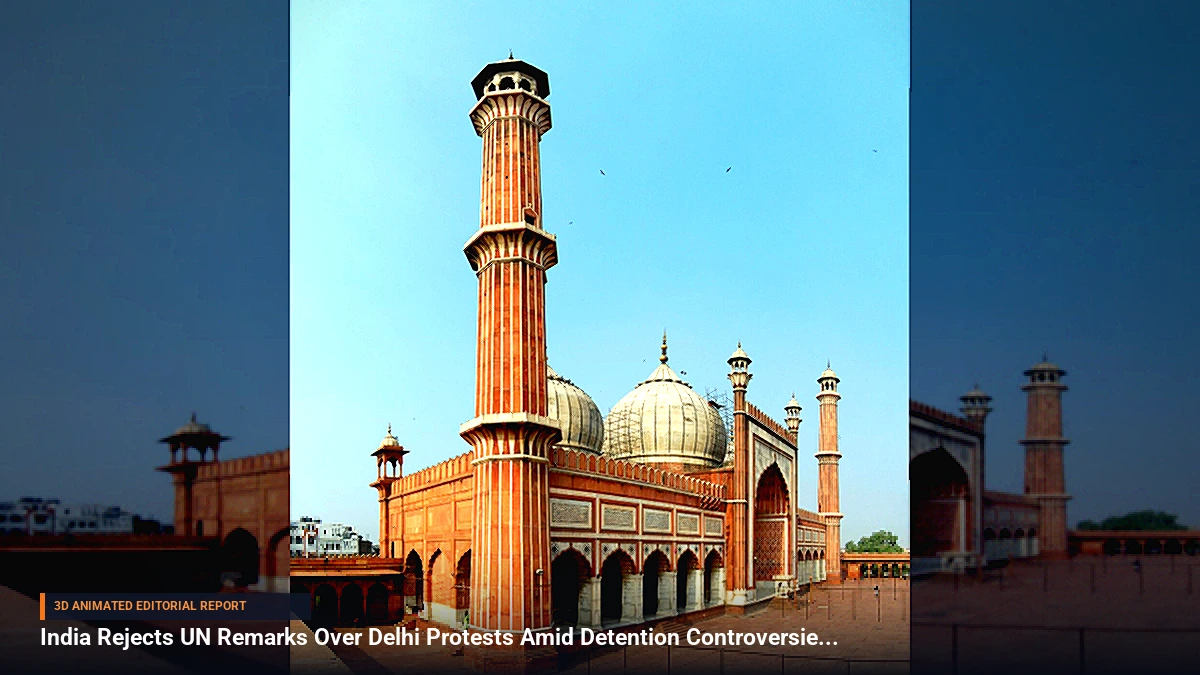
The political landscape in New Delhi experienced severe disruptions as demonstrations organized by the CJP escalated into massive confrontations with law enforcement. Following a series of widespread detentions of key movement leaders and demonstrators, CJP leader Ajinkya Shinde announced an intensification of their campaign. Shinde declared that daily marches to Jantar Mantar will persist without interruption until Gyanesh Kumar is removed from his position as Chief Election Commissioner.
The demonstrations paralyzed parts of the national capital. Authorities implemented strict security protocols that included the emergency closure of entry and exit gates at 45 Delhi Metro stations. Major transit hubs, including Rajiv Chowk, New Delhi, Central Secretariat, Patel Chowk, and Kashmere Gate, faced severe restrictions to curb the movement of protesters aiming to gather at designated rally sites.
Background & Key Context
The friction centers around mounting opposition demands regarding the leadership and administration of India's electoral oversight bodies. The demonstrations represent a boiling point in ongoing political tensions, transforming urban centers into flashpoints over institutional accountability. Previous attempts to assemble in large numbers led to heavy-handed police interventions, cordoning off central zones, and detaining hundreds of active participants, setting the stage for the current cycle of escalating street protests.
Key Takeaways
- Escalated Tactics: The CJP has pledged continuous daily marches to Jantar Mantar until the removal of CEC Gyanesh Kumar is achieved.
- Transit Paralysis: Security measures forced the closure of 45 Delhi Metro stations, severely impacting commuter transit across major lines.
- Mass Detentions: Law enforcement detained numerous demonstrators and key organizers, prompting immediate international and domestic concern.
- International Intervention: The United Nations Human Rights Council (UNHRC) formally demanded the immediate release of all individuals detained during the protests.
- Ruling Party Backlash: The Bharatiya Janata Party (BJP) severely criticized the movement, labeling the demonstrations a failure and alleging external interference.
Impact, Analysis & Global/National Reactions
The protests have triggered a sharp ideological and political war of words across the country. The ruling BJP dismissed the Jantar Mantar demonstrations as a "flop show," arguing that "democracy has won over mobocracy." Senior BJP representatives asserted that the country is governed by Parliament rather than streets, accusing the CJP and supporting opposition factions of fostering domestic anarchy and engaging in foreign collusion.
Conversely, the international community has expressed grave concerns over the handling of the demonstrations. The UNHRC stepped into the fray, issuing an official demand for the immediate release of detained demonstrators, highlighting growing global scrutiny over civil liberties and the management of political dissent in India.
What's Next: Looking Ahead
With the CJP vowing to maintain continuous pressure through daily marches, security forces in New Delhi remain on high alert. The ongoing standoff between protest organizers and the central administration poses severe administrative challenges for urban mobility and public order. Observers will be closely monitoring whether the government opts for further crackdowns or attempts backchannel negotiations, while international bodies continue to track the welfare and legal status of detained activists.
Be the first to comment
Start a useful conversation around this story.