
What Happened: The Core Developments
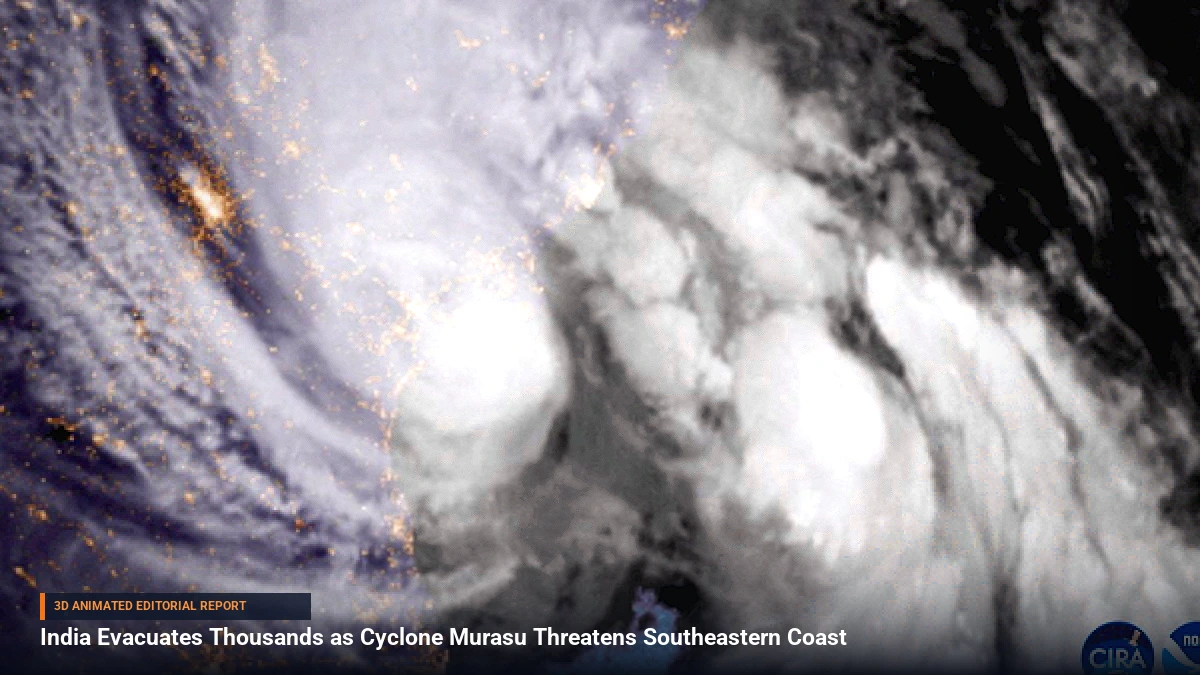
South India is currently confronting severe weather disruptions as Cyclone Murasu targets the coastline, bringing torrential rainfall, gale-force winds, and massive administrative mobilization. Meteorological updates indicate that the severe storm is projected to cross the Andhra Pradesh coast with maximum sustained winds reaching up to 120 kmph.
The severe weather threat has triggered a red alert in two Telangana districts and an orange alert in three additional districts for November 3, underscoring the deep inland penetration of the system's heavy moisture and wind bands. Meanwhile, northern Tamil Nadu has experienced intense, continuous downpours as the outer bands of the cyclone sweep across the region.
In response to the escalating danger, aviation authorities announced the cancellation of 19 flights connecting major regional hubs. National Disaster Response Force (NDRF) teams have been rushed to vulnerable coastal zones and placed on high standby to manage potential rescue and relief operations.
Background & Key Context
Tropical weather systems in the Bay of Bengal traditionally pose significant threats to India's eastern and southern peninsular coasts during the post-monsoon transition period. Cyclone Murasu follows a growing pattern of rapidly intensifying storms fueled by elevated sea surface temperatures in the region.
Administrative machinery across Andhra Pradesh, Telangana, and Tamil Nadu has been placed on high alert, drawing lessons from previous historical events where rapid landfall intensification caused widespread infrastructural damage and displacement. Coastal districts like Nellore have historically served as critical flashpoints for storm landfalls, prompting proactive command-and-control interventions from state leadership.
Key Takeaways
- Landfall Intensity: Cyclone Murasu is slated to cross the Andhra Pradesh coast with destructive wind speeds peaking at 120 kmph.
- Alert Levels: Telangana has issued a red alert for two districts and an orange alert for three districts, effective November 3.
- Transportation Disruptions: At least 19 commercial flights have been cancelled due to poor visibility and severe turbulence risks.
- Emergency Response: NDRF battalions are stationed across key coastal corridors on standby for immediate deployment.
- Regional Impact: Heavy rains continue to lash northern Tamil Nadu, while neighboring West Bengal remains unaffected with no cyclone warnings issued for its coastline.
Impact, Analysis & Global/National Reactions
State governments and disaster management agencies have adopted a zero-casualty approach following the initial meteorological warnings. In Andhra Pradesh, prominent leaders such as Pawan Kalyan have actively intervened, instructing local administrative officials and disaster response units to remain on high alert and prioritize vulnerable settlements near the Nellore coast.
Transportation networks, particularly regional aviation and coastal rail corridors, are experiencing cascading delays and cancellations. Economic analysts note that while agricultural sectors in northern Tamil Nadu and southern Andhra Pradesh brace for potential crop inundation, proactive state-level interventions have successfully mitigated initial panic among coastal populations.
What's Next: Looking Ahead
As Cyclone Murasu completes its landfall trajectory, disaster management authorities will transition from pre-emptive evacuation to post-storm damage assessment and rehabilitation. Meteorological departments will continue to track the remnants of the depression as it moves further inland, monitoring potential flash flood risks in interior districts of Telangana and Andhra Pradesh over the coming days.





Be the first to comment
Start a useful conversation around this story.