
What Happened: The Core Developments
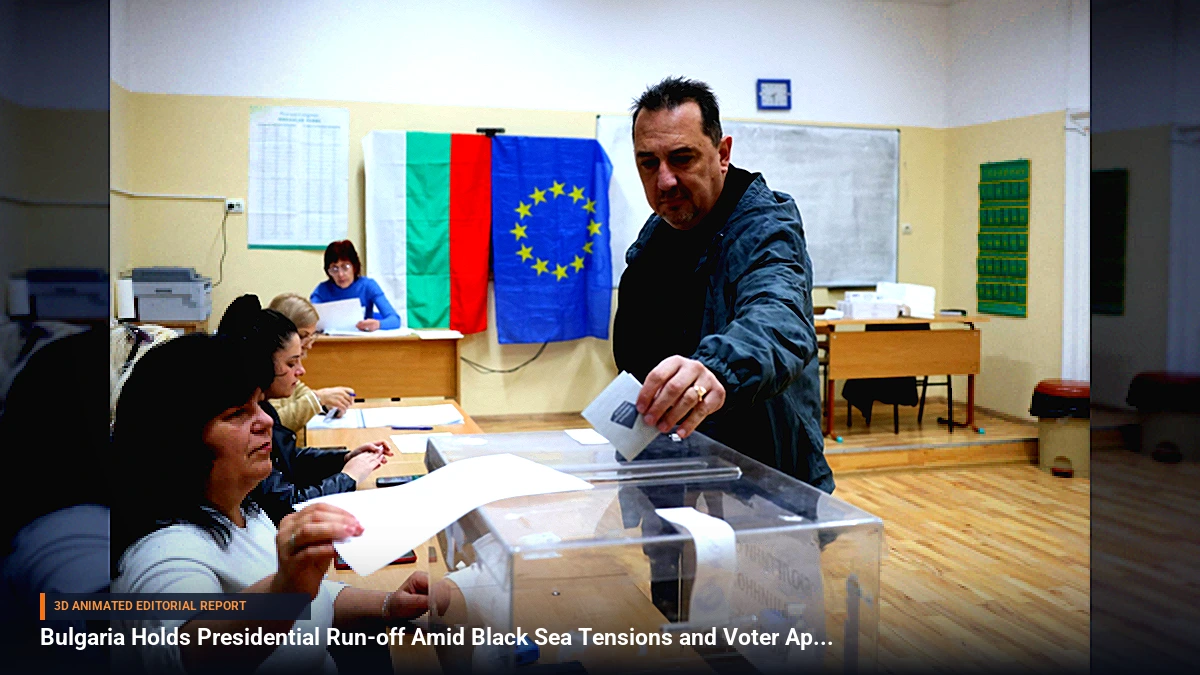
On November 1, 2026, voters across Bulgaria participated in a critical presidential run-off election. The electoral process took place against a backdrop of acute regional insecurity, particularly regarding escalating geopolitical tensions and safety concerns surrounding commercial vessel traffic in the Black Sea. Initial reports and exit polls pointed toward a competitive contest, with preliminary figures indicating a potential victory for Iotova.
However, the overarching narrative of election day was the striking level of voter apathy. Polling stations across the nation registered record-low turnout figures, reflecting deep-seated frustration among the electorate. Citizens found themselves balancing immediate domestic hardships against broader foreign policy uncertainties as the nation navigated its path forward.
Background & Key Context
Bulgaria, a strategic European Union and NATO member situated on the frontline of Eastern European geopolitics, has faced sustained economic headwinds in recent years. Persistent inflation, high energy costs, and structural financial worries have weighed heavily on household budgets. These domestic grievances compounded existing anxieties stemming from the protracted conflict in Ukraine and its direct spillover effects into the Black Sea basin.
Maritime security has become a paramount concern for Sofia, with recurring reports of naval incidents, maritime mine threats, and disruptions to shipping lanes impacting regional trade and stability. The presidential race thus transformed into a referendum not only on domestic governance but also on how the nation manages its critical security alliances in a volatile neighborhood.
Key Takeaways
- Record Low Turnout: Voter participation plummeted to historic lows, underscoring widespread public disenchantment with the political establishment.
- Geopolitical Pressures: The election unfolded amid severe tensions in the Black Sea, focusing attention on maritime security and NATO commitments.
- Economic Anxiety: Voters heavily weighed persistent domestic economic challenges, inflation, and financial pressures at the ballot box.
- Preliminary Outcomes: Early exit polls and initial results pointed toward a victory for Iotova, though official certified tallies remained awaited.
- Strategic Importance: As an EU and NATO frontier state, Bulgaria's leadership choice carries significant weight for regional stability.
Impact, Analysis & Global/National Reactions
Political analysts note that the record-low turnout signals a widening chasm between the Bulgarian public and traditional political parties. While candidates attempted to rally voters around national security and economic reform, the prevailing sentiment among a large portion of the electorate remained disillusionment.
International observers, particularly within European capitals and NATO headquarters, monitored the election closely. Given Bulgaria's critical geographic positioning, the incoming administration's stance on Black Sea defense and transatlantic cooperation remains a subject of intense strategic interest. Stakeholders across European markets are watching to see how the new leadership will balance austerity measures with necessary investments in national infrastructure and defense.
What's Next: Looking Ahead
As the electoral authority finalizes official vote counts and certifies the results, attention will quickly pivot to government formation and policy implementation. The incoming president will face immediate pressure to address public dissatisfaction by tackling inflation and stabilizing household finances.
Furthermore, the new administration must immediately engage with international partners to reinforce Black Sea security protocols and protect commercial shipping lanes. Subsequent legislative debates and upcoming policy rollouts will test the administration's ability to bridge domestic economic needs with its broader international obligations.





Be the first to comment
Start a useful conversation around this story.