
What Happened: The Core Developments
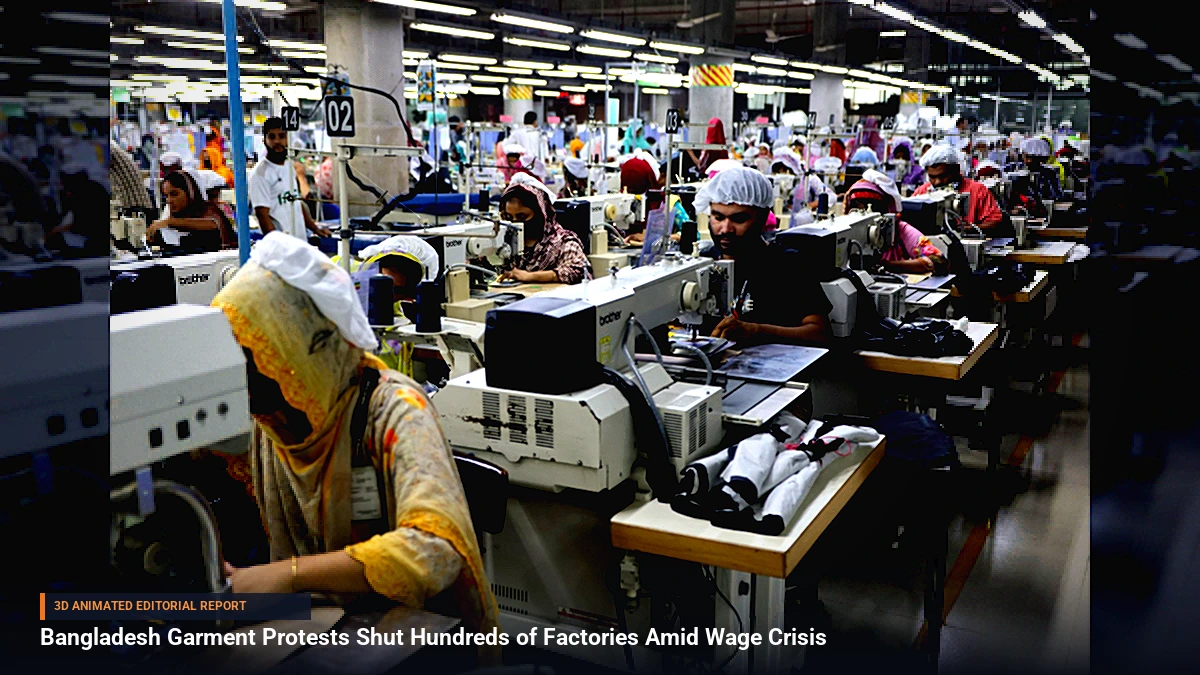
Tens of thousands of garment workers have taken to the streets in Bangladesh, orchestrating massive demonstrations that have brought major manufacturing hubs to a standstill. The primary catalyst for the unrest is widespread economic distress, with employees stating that their current earnings are entirely inadequate to meet basic daily needs amid soaring living costs.
The demonstrations quickly escalated from peaceful rallies into severe industrial disruptions, forcing the immediate closure of hundreds of garment factories across the country. Production lines have remained idle for multiple consecutive days, creating a compounding bottleneck for the world's second-largest apparel export market. Industry insiders warn that the prolonged manufacturing standstill will have immediate ripple effects, heavily impacting outbound shipments of essential textiles, yarn, and finished garments to global brands.
Background & Key Context
Bangladesh stands as a cornerstone of the global fast-fashion and apparel supply chain, supplying massive volumes of clothing to major Western brands and retailers. However, the sector has long grappled with structural tensions surrounding low compensation, hazardous working conditions, and cyclical labor disputes.
Despite previous adjustments to the legal minimum wage framework, workers argue that inflation and the rising cost of food, housing, and utilities have completely eroded their purchasing power. Many employees report falling into severe debt just to feed their families, leading to a boiling point where grassroots labor activism has overridden fears of workplace retaliation or police intervention. The current crisis highlights the fragile equilibrium upon which multi-billion-dollar retail supply chains depend.
Key Takeaways
- Widespread Protests: Tens of thousands of apparel sector employees have mobilized across manufacturing districts to demand substantial minimum wage increases.
- Operational Shutdowns: The ongoing labor unrest has forced the temporary closure of hundreds of garment factories, paralyzing production lines for days.
- Supply Chain Vulnerabilities: Industry analysts warn that the disruption will severely impact international exports of yarn, fabrics, and ready-made garments.
- Economic Desperation: Demonstrators emphasize that current earnings fail to cover basic survival needs, driving intense urgency behind the protests.
- Global Implications: International brands sourcing from Bangladesh face looming inventory shortages and delivery delays as the unrest persists.
Impact, Analysis & Global/National Reactions
The crisis has sent shockwaves through international trade circles, as global buyers closely monitor their sourcing portfolios for potential delays. Economic analysts point out that while Bangladesh's competitive advantage has historically relied on low-cost labor, the human cost of suppressed wages is no longer sustainable for the domestic workforce.
Regional stakeholders and government authorities are scrambling to contain the fallout. Diplomatic observers, including India's Ministry of External Affairs, have noted that they are closely following the unfolding security and economic situation. Meanwhile, political finger-pointing has intensified locally, with government officials attempting to assign blame for the unrest amidst broader political sensitivities. Labor rights advocates stress that sustainable manufacturing can only be achieved if brand compliance programs actively mandate fair wage distribution throughout tier-one and tier-two supplier networks.
What's Next: Looking Ahead
As factories remain shut and negotiations stall, immediate attention turns to emergency mediation between factory owners, labor union leaders, and government regulators. Finding a compromise on minimum wage adjustments is critical to restoring order and resuming production before international buyers begin shifting orders to alternative manufacturing hubs in Southeast Asia.
Stakeholders will be watching upcoming policy announcements closely to see whether authorities will legislate meaningful wage reforms or rely on security measures to clear the streets. For global retail brands, the crisis serves as an urgent wake-up call to reassess supply chain resilience, ethical sourcing commitments, and the true cost of affordable apparel.



Be the first to comment
Start a useful conversation around this story.