
What Happened: The Core Developments
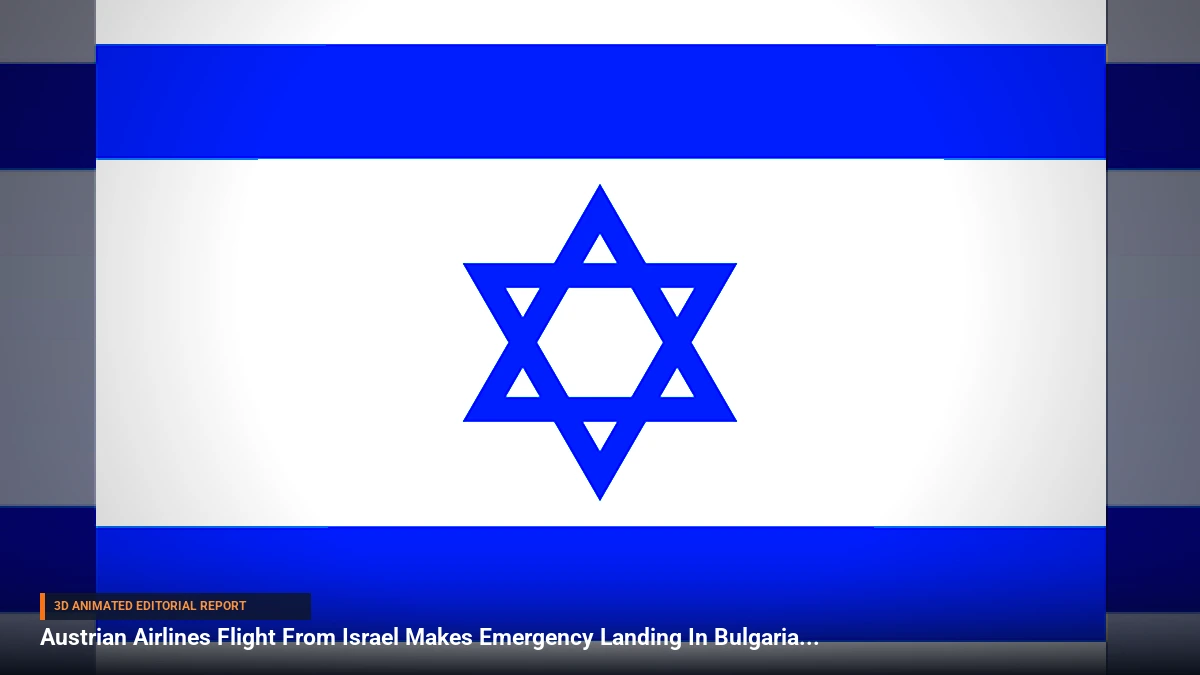
A commercial flight operated by Austrian Airlines experienced a severe security disruption when a mid-air bomb threat targeted the aircraft, compelling the flight crew to execute an emergency landing in Sofia, Bulgaria. The aircraft, operating as flight OS82, was en route from Tel Aviv, Israel, to its final destination in Vienna when the threat was identified and escalated to local and international aviation authorities.
According to reports from Bulgarian officials and aviation tracking monitors, the flight crew made the decisive call to divert the Airbus jet to the nearest secure facility. The plane touched down safely at Sofia Airport without immediate incident. Following the landing, ground emergency response teams, security personnel, and explosive ordinance disposal specialists immediately surrounded the aircraft to conduct mandatory security checks and protocol sweeps.
Background & Key Context
Commercial aviation corridors connecting the Middle East to European hubs have frequently operated under heightened security protocols, driven by ongoing geopolitical tensions and localized conflicts in the region. Carriers like the Lufthansa Group—which encompasses Austrian Airlines—maintain stringent emergency response guidelines that mandate immediate diversion upon the receipt of any credible or non-verified explosive threats.
Historically, aviation security protocols have evolved significantly to prioritize immediate containment over schedule adherence. When a bomb threat is communicated mid-flight, standard operating procedures dictate that pilots seek the closest appropriate international airfield equipped to handle security emergencies, minimizing potential risk to civilian populations on the ground and ensuring rapid emergency service access.
Key Takeaways
- Emergency Diversion: Austrian Airlines flight OS82 from Tel Aviv was forced to divert mid-journey.
- Safe Landing: The Airbus jet touched down without incident at Sofia Airport in Bulgaria.
- No Casualties: All passengers and crew members aboard the aircraft were reported safe and unharmed.
- Security Response: Specialized Bulgarian security teams immediately deployed to conduct thorough clearance checks on the aircraft.
- Operational Protocol: The incident underscores the swift execution of crisis response frameworks by major European airline operators.
Impact, Analysis & Global/National Reactions
The swift diversion highlights the complex operational reality facing international carriers operating out of Israeli airports. Aviation analysts note that while false alarms and malicious hoaxes continue to cause significant logistical disruptions and passenger anxiety, the absolute adherence to safety protocols remains non-negotiable for major European airlines.
Representatives for the Lufthansa Group noted that the affected aircraft was subjected to extensive technical and security examinations in Sofia. While local authorities have launched investigations to trace the origin of the bomb threat, security experts emphasize that modern aviation safeguards are specifically structured to withstand and neutralize potential threats through rapid coordination between flight deck crews, air traffic management, and ground security infrastructure.
What's Next: Looking Ahead
As the comprehensive security sweeps at Sofia Airport conclude, Austrian Airlines is expected to coordinate alternative travel arrangements to transport the stranded passengers to their ultimate destination in Vienna. Meanwhile, international cyber-security and intelligence agencies are likely to collaborate with Israeli and Bulgarian authorities to trace the communication channel through which the threat was initially transmitted, aiming to determine whether the incident was a targeted hoax or a more serious security breach.


Be the first to comment
Start a useful conversation around this story.