
What Happened: The Core Developments
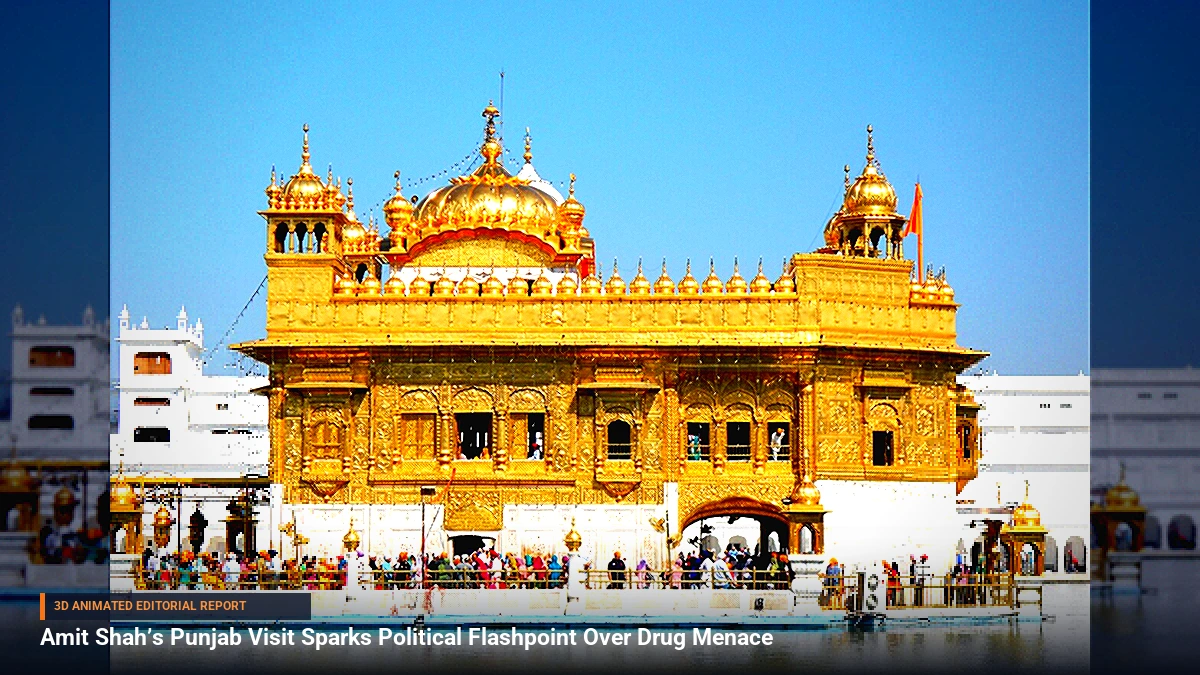
Union Home Minister Amit Shah arrived in Punjab amid a tense political climate, immediately turning the spotlight onto the state's persistent drug menace. During his engagements, Shah openly criticized the ruling Punjab administration for its handling of the narcotics crisis, which has ravaged communities across the region for years.
Beyond the political friction, the Home Minister scheduled private meetings with families of anti-drug activists who have lost their lives in the line of duty. However, these plans have not unfolded without controversy. An action committee formed to seek justice for a murdered activist, widely referenced locally as Jhota, voiced sharp objections to the visit, highlighting simmering grassroot discontent.
Background & Key Context
The narcotics crisis in Punjab has long been a central battleground in Indian national and regional politics, intersecting with issues of border security, youth unemployment, and law enforcement. Anti-drug activists frequently operate in high-risk environments, challenging local syndicates and drug peddlers.
Prior to Shah's arrival, tensions reached a boiling point over the murder of anti-drug crusaders, leading to standoffs between grieving families, action committees, and state authorities. While the Punjab BJP leadership has framed the Home Minister's visit as a beacon of hope and a decisive step toward supporting affected families, critics and local groups remain skeptical about whether high-profile visits will yield tangible, long-term policy interventions.
Key Takeaways
- High-Stakes Visit: Union Home Minister Amit Shah's tour of Punjab has significantly elevated political temperatures in the state.
- Drug Menace Focus: Shah launched a direct critique against the Punjab government over its failure to curb the widespread drug epidemic.
- Engagements with Victims' Families: The Home Minister plans to meet directly with the families of slain anti-drug activists.
- Grassroots Pushback: Local action committees demanding justice for murdered activists have raised formal objections regarding the nature and timing of the visit.
- BJP's Stance: The state BJP leadership insists the visit will bring renewed hope and accountability for families devastated by narcotics.
Impact, Analysis & Global/National Reactions
The visit underscores the deep polarization surrounding law and order in Punjab. While national leaders utilize the platform to target regional governance failures, local stakeholders argue that politicizing tragedies distracts from systemic reforms. Representatives for the action committees have demanded concrete legal actions and institutional accountability rather than symbolic gestures. Meanwhile, analysts note that the unfolding situation places additional pressure on the state administration to broker peace with aggrieved families and demonstrate measurable progress against narcotics networks.
What's Next: Looking Ahead
As the political fallout from the Home Minister's tour settles, all eyes will be on the state government's response to ongoing demands from action committees and grieving families. Stakeholders await potential policy concessions, enhanced security measures for activists, and intensified crackdowns on drug cartels to de-escalate the mounting tensions across the region.

Be the first to comment
Start a useful conversation around this story.