
What Happened: The Core Developments
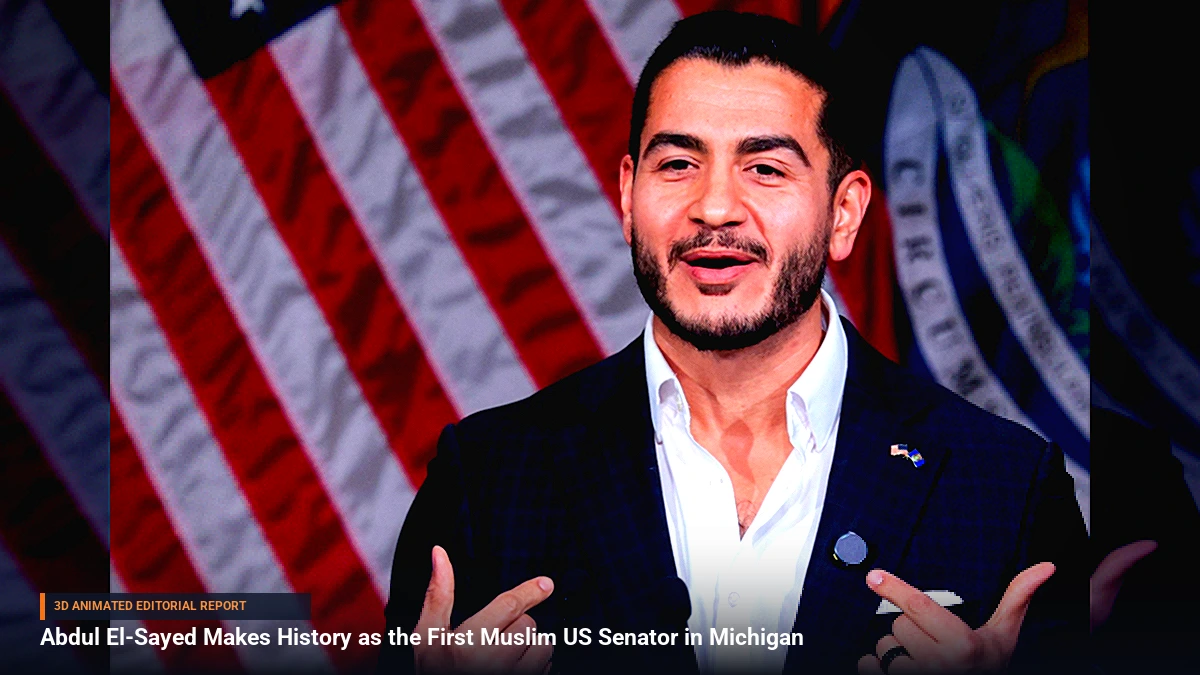
In a historic electoral breakthrough, 42-year-old Democrat Abdul El-Sayed triumphed in the Michigan Senate race against Republican opponent Mike Rogers. The victory marks a monumental milestone in American politics, establishing El-Sayed as the first Muslim senator to ever serve in the United States Congress.
The race closely watched nationwide concluded with El-Sayed claiming a definitive win. During his jubilant victory speech, the newly elected senator embraced his historic status with both gravity and humor, playfully telling supporters and critics alike, "Habibi, call me Senator," while directly referencing and dismissing political rhetoric from the opposition.
Background & Key Context
Abdul El-Sayed has long been a prominent figure in progressive political circles, known for his energetic grassroots campaigning and public health background. Running as a left-wing Democrat in a critical Midwestern battleground state, El-Sayed navigated a high-stakes political landscape against seasoned Republican opponent Mike Rogers.
The senatorial seat in Michigan has historically been a crucial battleground, representing a bellwether for national political shifts. El-Sayed’s campaign focused heavily on building a broad, coalition-driven movement that resonated with diverse demographics across the state, ultimately breaking barriers that have stood since the founding of the United States legislature.
Key Takeaways
- Historic Milestone: Abdul El-Sayed officially becomes the first Muslim senator in the history of the United States.
- Key Electoral Battleground: El-Sayed secured the victory in Michigan by defeating high-profile Republican candidate Mike Rogers.
- Democratic Triumph: The 42-year-old left-wing Democrat captured national attention with his dynamic grassroots campaign.
- Defiant Victory Speech: El-Sayed addressed his supporters with a memorable message, celebrating his cultural identity while looking forward to legislative service.
Impact, Analysis & Global/National Reactions
Political analysts view El-Sayed's victory as a watershed moment for representation in American governance. For decades, Muslim Americans have steadily increased their civic engagement, winning seats in local legislatures and the House of Representatives. However, breaking the glass ceiling in the United States Senate represents a profound evolutionary step for minority representation at the federal level.
Reactions poured in from across the political spectrum following the race call. Supporters celebrated the resilience of a campaign that actively challenged divisive political rhetoric. Civil rights and community organizations lauded the outcome as a testament to the evolving multicultural fabric of American democracy, proving that candidates from diverse backgrounds can successfully build winning coalitions in competitive Midwestern states.
What's Next: Looking Ahead
As the dust settles on a fiercely contested election season, attention now turns to Washington, D.C., where Senator-elect El-Sayed will prepare to take the oath of office. Key priorities will include setting up legislative offices, building committee assignments, and translating campaign pledges into actionable federal policy.
Observers will be watching closely to see how El-Sayed leverages his unique platform and public health expertise within the Senate chamber. His legislative agenda and committee placements are expected to shape the progressive policy debate as the new congressional term approaches.






Be the first to comment
Start a useful conversation around this story.