

What Happened: The Core Developments
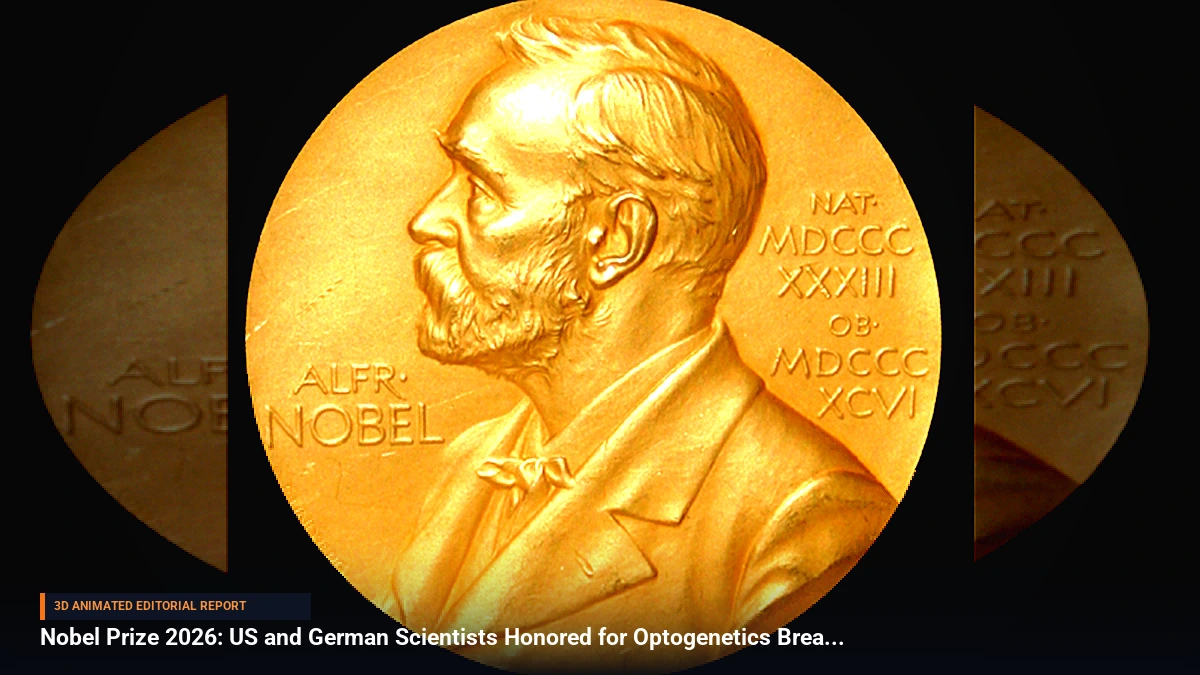
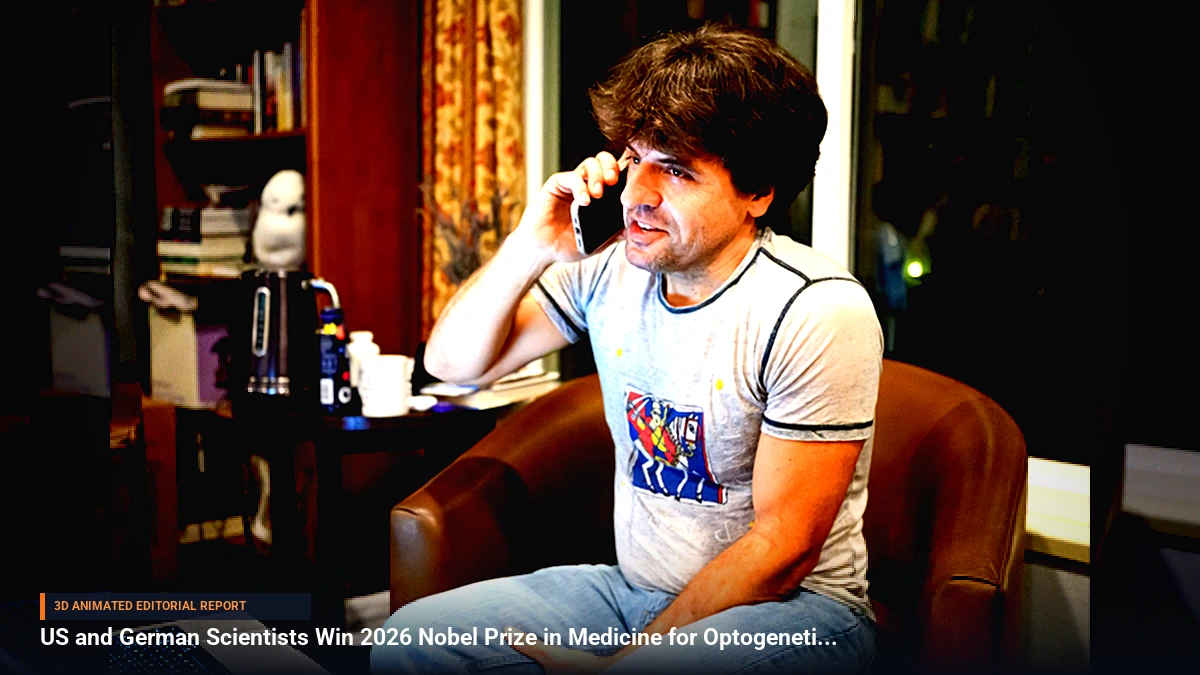
The scientific community is celebrating a monumental leap forward as the 2026 Nobel Prize in Physiology or Medicine was awarded to three distinguished researchers for their groundbreaking work decoding complex brain activity. Among the laureates is Karl Deisseroth, whose immediate reaction to the life-changing news captured the astonishment of the scientific community. Known affectionately as a night owl, Deisseroth remarked upon hearing the announcement that he was not yet asleep and certainly expected to remain wide awake for the rest of the night.
At the heart of this year's prestigious award is an unlikely hero of the natural world: pond algae. By harnessing light-sensitive proteins found in these simple aquatic organisms, the laureates pioneered a revolutionary methodology that enables scientists to interact with living neural networks using precise flashes of light. This technique has effectively bridged the gap between basic ecology and advanced neurophysiology.
Background & Key Context
For decades, neuroscientists faced monumental barriers when attempting to study the brain's intricate wiring. Traditional methods relied on electrical stimulation or crude chemical interventions, which lacked the spatial and temporal resolution needed to understand specific cellular pathways.
The path to the 2026 Nobel Prize began when researchers realized that certain single-celled organisms, specifically pond algae, utilize light-gated ion channels to navigate their environments. By isolating these genetic components and introducing them into mammalian neurons, the pioneering team unlocked the ability to turn specific brain cells on and off with light—a groundbreaking field that would come to be known as optogenetics.
Key Takeaways
- The 2026 Nobel Laureates: Three leading scientists received the prize in Physiology or Medicine for transforming our understanding of brain function.
- The Algae Connection: The breakthrough hinges on light-sensitive proteins derived from ordinary pond algae.
- Precision Control: The resulting technology allows researchers to activate or silence individual neurons using light beams.
- Karl Deisseroth's Reaction: The prominent laureate humorously noted that his nocturnal habits prepared him well for a sleepless night of celebration and media attention.
- A New Era for Neuroscience: The innovation has superseded older, less precise methods of brain mapping, opening doors to advanced neurological treatments.
Impact, Analysis & Global/National Reactions
The implications of this year's Nobel-winning discovery extend far beyond basic research, offering profound hope for individuals suffering from neurological and psychiatric disorders. By allowing researchers to isolate exact neural circuits implicated in conditions such as Parkinson's disease, depression, and blindness, optogenetics has shifted the paradigm of modern medicine.
Global academic institutions and medical bodies have lauded the committee's decision, emphasizing that the integration of ecological biology—specifically pond algae—into high-tech neuroscience highlights the unpredictable nature of scientific discovery. Experts point out that foundational research in seemingly unrelated fields can yield tools that fundamentally alter the trajectory of human health.
What's Next: Looking Ahead
As the medical community absorbs the magnitude of the 2026 Nobel Prize, attention now shifts to the practical clinical applications of optogenetic therapies currently moving through advanced clinical pipelines. Researchers anticipate that over the coming decade, light-based neural modulation will transition from laboratory settings into revolutionary human therapies, potentially restoring lost sensory functions and offering targeted interventions for treatment-resistant brain disorders.



Be the first to comment
Start a useful conversation around this story.