
What Happened: The Core Developments
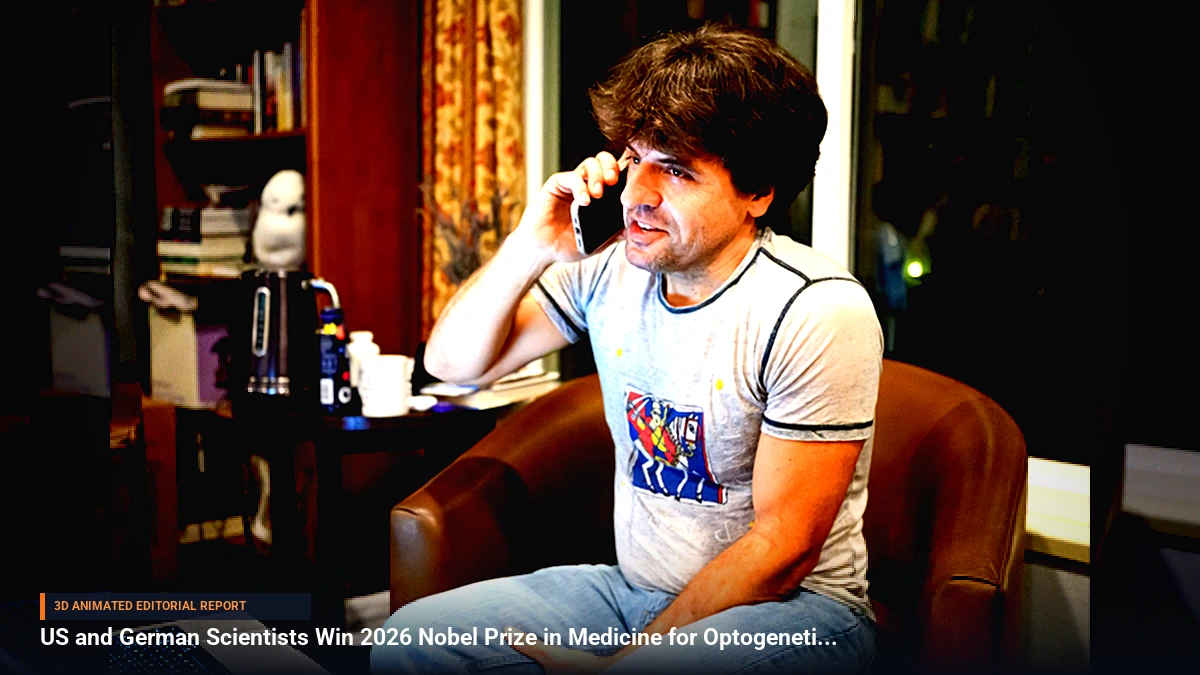
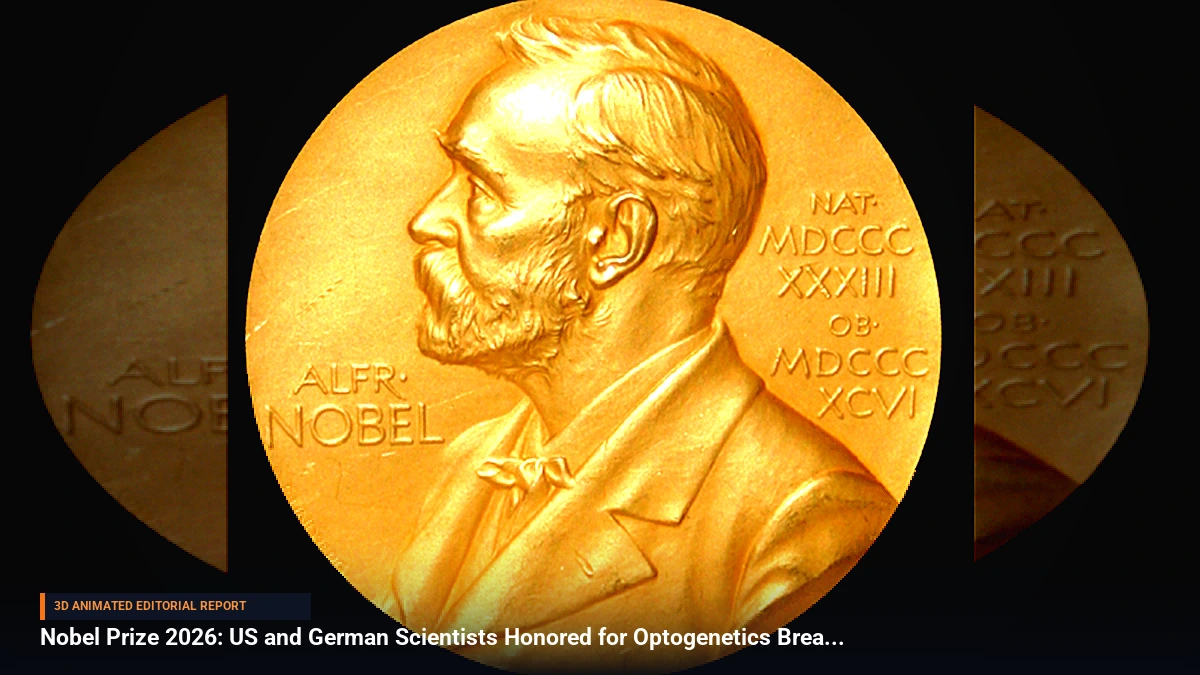
The 2026 Nobel Prize in Physiology or Medicine has been officially awarded to a collaborative team of US and German scientists, recognizing decades of foundational research in the field of optogenetics. The prestigious award highlights how precision engineering and neuroscience intersect, allowing researchers to harness light to activate or deactivate specific neurons with millisecond precision.
This year’s announcement marks a monumental milestone for the medical and neuroscientific communities. By integrating optical technology with genetic modification, the awarded methodology has fundamentally shifted how laboratories map neural circuits. Rather than relying on traditional electrical stimulation—which often activates broad, non-specific regions of tissue—optogenetics offers an unprecedented level of cellular control.
Background & Key Context
For decades, understanding the brain's complex network of billions of neurons stood as one of science's most formidable challenges. Traditional pharmacological treatments and electrodes lacked the spatial and temporal resolution required to isolate individual cellular pathways.
The genesis of optogenetics transformed this landscape by introducing light-sensitive proteins—such as microbial opsins—into targeted neural populations. When illuminated with specific wavelengths of fiber-optic light, these engineered proteins act as microscopic ion channels, opening or closing to fire or silence the cell. This breakthrough solved a long-standing puzzle in neurobiology: how to observe and manipulate causal relationships between specific brain circuits and complex behaviors.
Key Takeaways
- Pioneering Recognition: US and German researchers secured the 2026 Nobel Prize in Physiology or Medicine.
- Core Innovation: The award honors groundbreaking work in optogenetics, blending light and genetic engineering.
- Precision Neuroscience: The technique allows scientists to control targeted brain cells with incredible speed and spatial accuracy.
- Translational Potential: The breakthrough paves the way for advanced therapies targeting neurological and psychiatric disorders.
- Global Significance: The discovery transforms fundamental neuroscience, shifting research from observational study to precise functional mapping.
Impact, Analysis & Global/National Reactions
International scientific bodies and academic institutions have widely praised the decision by the Nobel Assembly, viewing it as validation of a technique that has steadily reshaped biomedical research over the last two decades. Global experts emphasize that optogenetics has moved far beyond basic academic curiosity, serving as an indispensable engine driving modern neuroscience laboratories worldwide.
Translational medicine researchers note that the foundational work being honored holds immense promise for addressing treatment-resistant conditions. From restoring lost vision through retinal prosthetics to modulating deep-brain circuits involved in Parkinson's disease, depression, and addiction, the clinical horizon for light-based neural regulation has expanded dramatically. Industry analysts project increased funding and venture capital interest in neuro-technological startups attempting to translate these optogenetic discoveries into human-safe clinical applications.
What's Next: Looking Ahead
As the scientific community celebrates the 2026 laureates, attention quickly turns to the future of clinical translation and regulatory frameworks governing light-based gene therapies. Clinical trials utilizing optogenetic approaches for degenerative eye diseases are already underway, and researchers are actively refining wireless, miniaturized implantable light devices to make treatments less invasive.
Over the coming years, regulatory bodies such as the US Food and Drug Administration (FDA) and the European Medicines Agency (EMA) will face the intricate task of evaluating these novel, dual-component therapies—which combine genetic vectors with physical optical hardware. The 2026 Nobel Prize not only honors past ingenuity but also signals the official arrival of optogenetics as a mainstream pillar of twenty-first-century medicine.




Be the first to comment
Start a useful conversation around this story.