
What Happened: The Core Developments
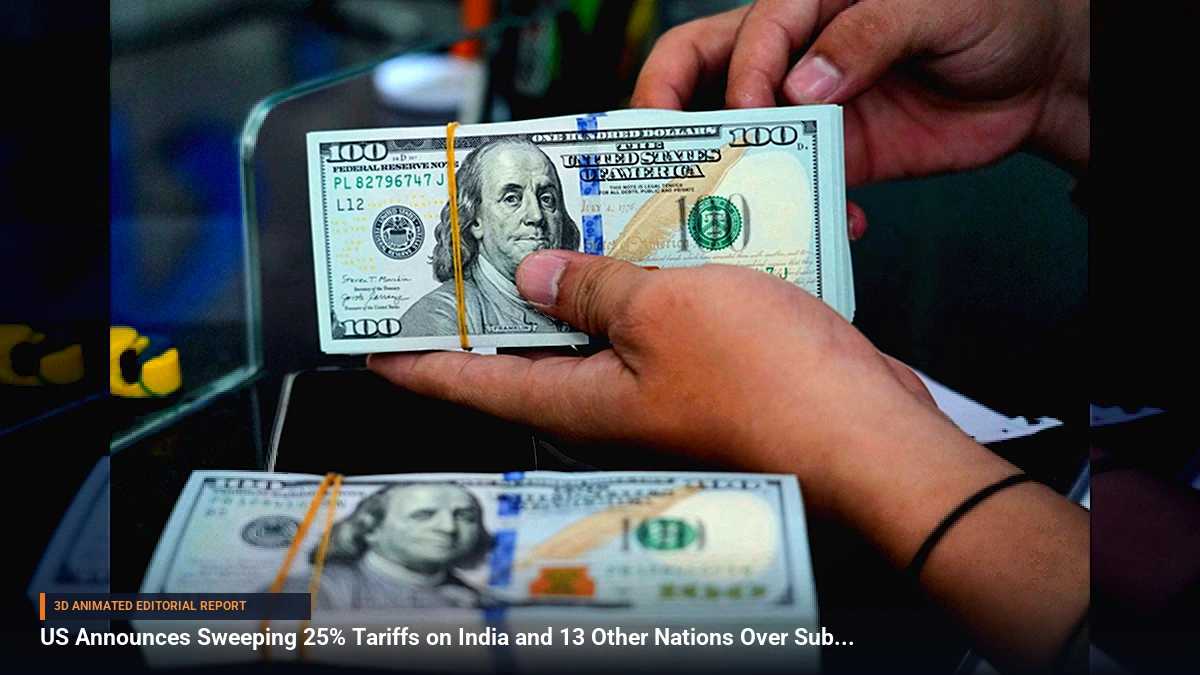
The United States government has formally proposed a new 25% tariff targeting India, creating a sudden flashpoint in bilateral economic relations. According to announcements from the Office of the United States Trade Representative (USTR), this proposal forms part of a broader series of trade actions affecting multiple global partners. However, Washington has attached a conditional incentive to the proposal: the USTR stated that the proposed tariff could be capped or reduced to 17% if both nations successfully negotiate and finalize a formal bilateral trade deal.
In response to the developments, the Indian government has adopted a measured stance. Official representatives confirmed that the formal notice regarding the proposed tariffs is currently under active examination across relevant ministries. Authorities are carefully weighing the legal, economic, and diplomatic ramifications before formulating a definitive response.
Background & Key Context
Trade frictions between the U.S. and India have periodically surfaced over market access, agricultural standards, and intellectual property protections. The latest tariff proposal reflects a broader policy shift in Washington utilizing broad-based duty proposals as both a lever and a carrot for comprehensive bilateral negotiations.
Senior U.S. officials have clarified that these newly proposed duties would operate independently and would not be layered on top of existing targeted tariffs designed to combat forced labor or specific sector-linked infractions. Nonetheless, the magnitude of a 25% levy places India among the prominent nations scrutinized in this latest round of U.S. trade pressure, prompting intense analysis from economic circles worldwide.
Key Takeaways
- New Tariff Proposal: The U.S. has proposed a 25% tariff on Indian imports as part of a multi-country trade action.
- The Negotiating Carrot: The USTR indicated that duties could decrease to 17% contingent upon reaching a formal bilateral trade agreement.
- Official Stance: The Indian government has announced that the U.S. notice is currently under deep examination.
- Expert Counsel: Prominent trade analysts suggest the proposed tariffs do not represent a severe immediate threat to the Indian economy.
- Strategic Caution: Experts advise New Delhi against rushing into a hasty trade agreement simply to appease short-term tariff pressures.
Impact, Analysis & Global/National Reactions
The announcement has triggered widespread debate among economists, policy analysts, and industry leaders regarding New Delhi's optimal strategic response. While a 25% tariff introduces notable cost pressures for exporters in specific sectors, a segment of trade experts argues that the measures do not constitute an existential or substantial threat to India's robust macroeconomic fundamentals.
Critics of Washington’s approach view the conditional reduction to 17% as a coercive mechanism designed to extract one-sided concessions in trade talks. Analysts emphasize that India possesses sufficient economic resilience and alternative export markets, arguing that policymakers should maintain strategic patience rather than capitulate to rushed deadlines.
What's Next: Looking Ahead
As the Indian government concludes its internal evaluation of the USTR notice, upcoming diplomatic consultations and inter-ministerial reviews will dictate New Delhi's official negotiating posture. Stakeholders will closely monitor whether bilateral channels open for formal discussions to explore the 17% duty cap or if India opts to challenge or absorb the initial tariff proposals without yielding to hurried concessions.



Be the first to comment
Start a useful conversation around this story.