
What Happened: The Core Developments
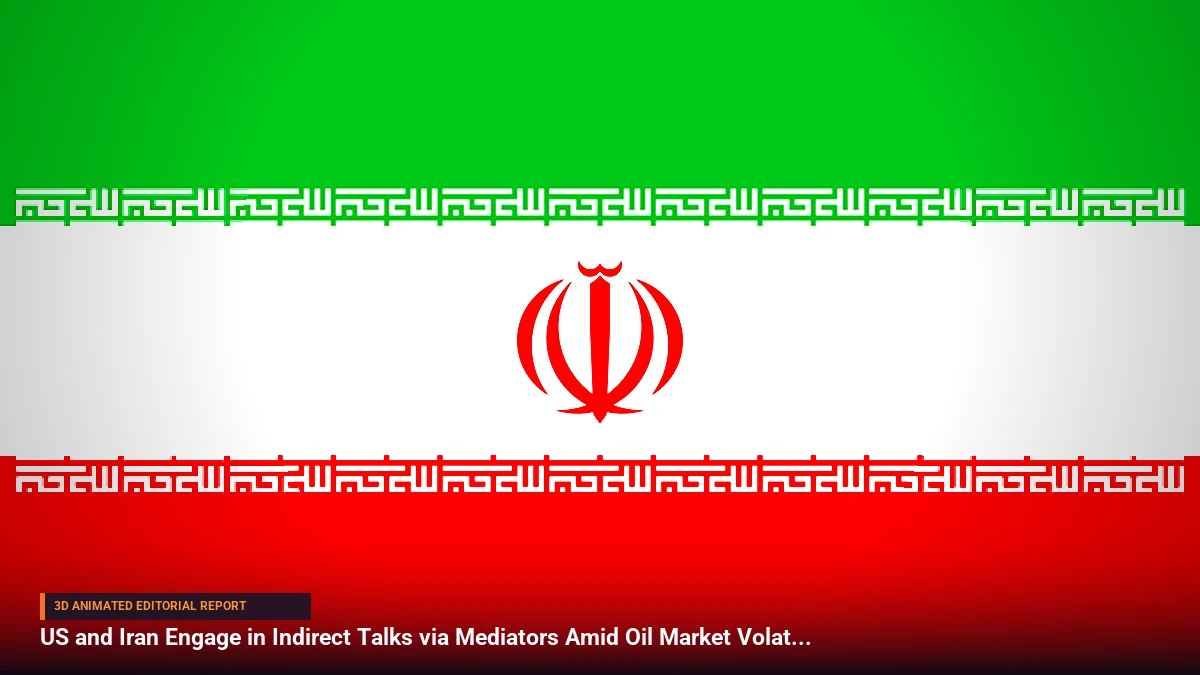
Diplomatic channels have opened a new chapter as the United States and Iran engage in separate, indirect discussions facilitated by international mediators. Iranian officials, including top diplomats such as Abbas Araghchi, arrived in New York to coordinate with regional intermediaries, notably Qatari officials. These shuttle diplomacy efforts aim to forge a pathway toward ending the active conflict, even as both Washington and Tehran maintain formal distance from direct bilateral negotiations.
The initiative comes in the wake of rejected initial truce offers and intense back-and-forth signaling across global media channels. While Western reports indicate that high-level contacts are firmly underway, Iranian state media has occasionally downplayed direct engagement prospects, emphasizing a complex landscape of public positioning versus private compromise.
Background & Key Context
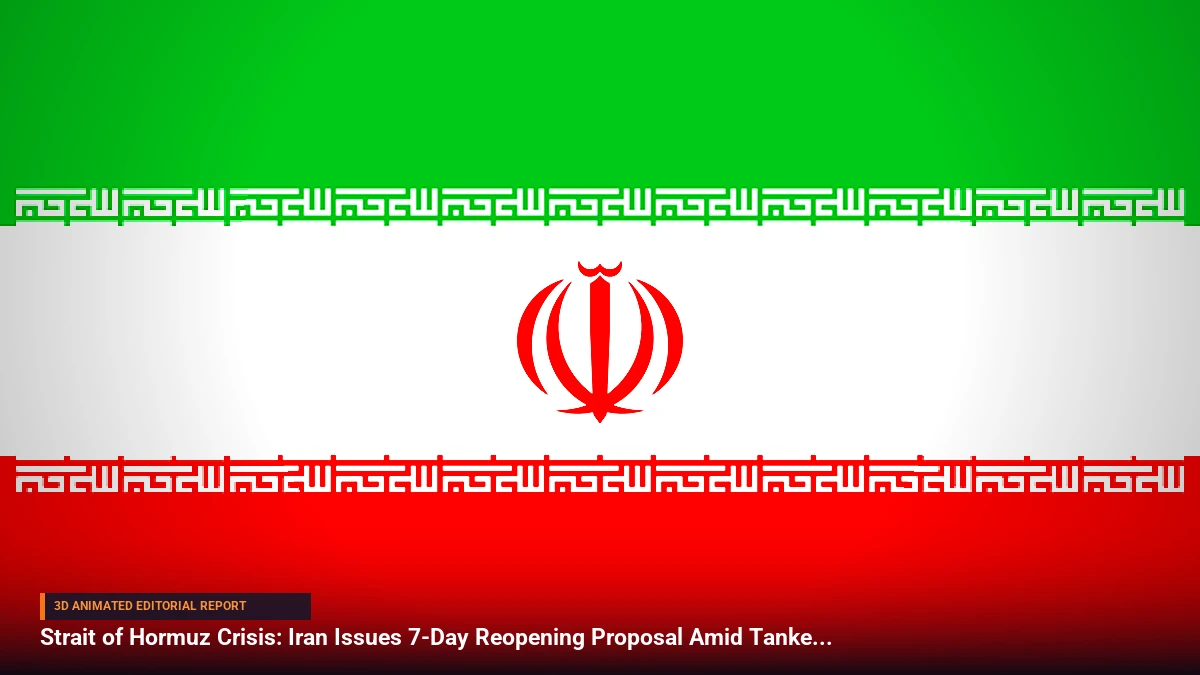
The current diplomatic outreach follows a series of escalations that deeply rattled global energy markets and security frameworks. Previous truce proposals floated by Tehran were swiftly set aside by Western leaders, who have concurrently pressed for deeper concessions—particularly surrounding Iran's nuclear program and the security of maritime transit routes. The Strait of Hormuz remains a central focal point of tension, as its potential closure or disruption poses a direct threat to global oil flow and economic stability.
Historically, indirect talks via third-party Gulf states have served as a critical safety valve during periods of heightened geopolitical stress. However, bridging the gap between Washington’s demands for comprehensive nuclear and regional restrictions and Tehran's strategic redlines continues to present a formidable diplomatic hurdle.
Key Takeaways
- Indirect Engagement: The US and Iran are holding separate talks with third-party mediators, such as Qatar, rather than negotiating face-to-face.
- High-Level Attendance: Iranian officials, including Abbas Araghchi, have traveled to New York to coordinate with international intermediaries.
- Nuclear and Transit Demands: Western powers are exerting severe pressure on Iran to grant major nuclear concessions and guarantee the safety of the Strait of Hormuz.
- Market Nervousness: Energy markets have reacted with sharp volatility, fluctuating rapidly based on rumors of peace breakthroughs versus stalemates.
- Conflicting Narratives: Discrepancies persist between international news reports of active peace tracks and domestic state media framing in Iran.
Impact, Analysis & Global/National Reactions
The immediate consequence of these indirect discussions has been felt acutely across global commodities markets. Oil prices have experienced dramatic swings—surging and retreating within short windows—as traders weigh the prospect of a negotiated settlement against the risk of prolonged conflict. Hopes for reopening the vital Strait of Hormuz have alternately calmed and inflamed investor sentiment.
Geopolitical analysts note that while neither side appears eager for an indefinite war of attrition, the domestic political costs for both Washington and Tehran remain high. Demands for verifiable nuclear concessions complicate any easy compromise, leaving third-party mediators with the strenuous task of finding mutually acceptable landing zones.
What's Next: Looking Ahead
As the diplomatic meetings in New York progress, attention will quickly pivot to whether these shuttle discussions can produce a formal framework for de-escalation. Observers are closely monitoring upcoming statements from mediating nations and any shifts in energy pricing indicators. Should the indirect talks yield a breakthrough, markets could experience a sustained stabilization, whereas a definitive stalemate threatens to renew upward pressures on global oil and rekindle regional military anxieties.

Be the first to comment
Start a useful conversation around this story.