
What Happened: The Core Developments
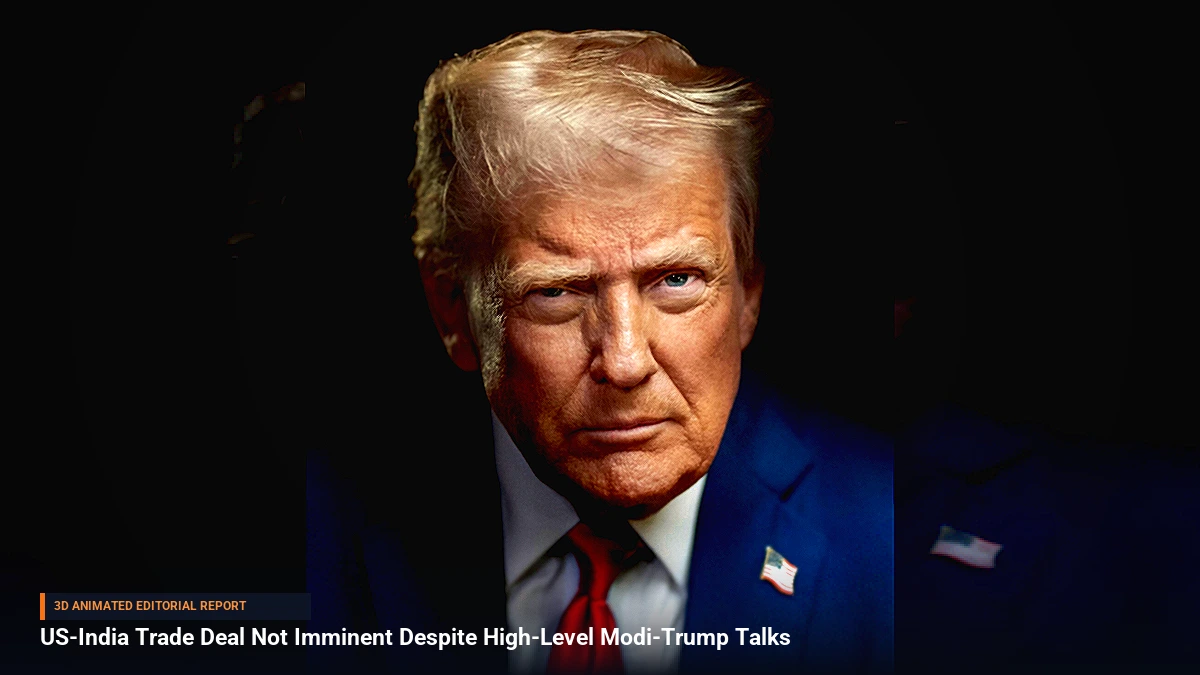
Bilateral trade relations between the United States and India have hit a temporary plateau, with U.S. trade officials publicly managing expectations. Following a high-level dialogue between Indian Prime Minister Narendra Modi and U.S. President Donald Trump, U.S. Trade Representative Greer explicitly stated that a comprehensive trade agreement between the two nations is not "imminent."
Despite diplomatic engagement at the highest level, deep-seated policy disagreements continue to stall a formal breakthrough. Simultaneously, trade friction has intensified on multiple fronts. Indian Commerce Minister Piyush Goyal aggressively defended domestic industries against ongoing U.S. investigations concerning alleged forced labor practices and industrial excess capacity. In a separate push during these trade discussions, Goyal also urged global athletic footwear and apparel giant Nike to significantly expand its investment footprint inside India.
Background & Key Context
Economic relations between Washington and New Delhi have long been characterized by a complex mix of strategic partnership and protectionist friction. While both democracies view each other as critical counterweights in the Indo-Pacific region, commercial negotiations frequently bog down over market access, agricultural tariffs, data localization requirements, and intellectual property rights.
Previous attempts to finalize a smaller, interim trade package failed to cross the finish line due to reciprocal demands for tariff relief and domestic political pressures in both countries. The latest statements from U.S. trade leadership underscore that despite the personal rapport between Modi and Trump, bureaucratic and structural hurdles remain formidable.
Key Takeaways
- No Immediate Agreement: U.S. trade representative Greer confirmed that a bilateral trade deal is not imminent, dampening speculation sparked by the Modi-Trump leadership call.
- Ongoing Regulatory Probes: Commerce Minister Piyush Goyal robustly defended India against contentious U.S. investigations regarding forced labor and industrial excess capacity.
- Investment Push: Amid trade disputes, Goyal actively courted multinational brands like Nike, encouraging them to scale up manufacturing and investments in India.
- Continued Dialogue: Further communication, potentially including another direct phone call between Prime Minister Modi and President Trump, is anticipated as both sides attempt to bridge lingering gaps.
Impact, Analysis & Global/National Reactions
Market analysts and policy experts note that the stalled trade talks reflect the persistent difficulty of reconciling Washington's focus on reciprocal market access and labor standards with New Delhi's mandate to protect domestic manufacturing, agriculture, and employment.
Commerce Minister Goyal's defense against U.S. labor and capacity probes highlights India's hardening stance against external regulatory scrutiny. Policymakers in New Delhi increasingly view these investigations as disguised protectionism aimed at undercutting Indian industrial competitiveness. Conversely, U.S. negotiators remain under pressure from domestic industries and labor unions to enforce strict compliance benchmarks before signing off on any preferential trade framework.
What's Next: Looking Ahead
Stakeholders are now watching for the scheduling of subsequent leadership calls between Prime Minister Modi and President Trump, which could provide fresh political momentum to the stalled bureaucracy. Meanwhile, Indian and U.S. trade negotiating teams will need to navigate the contentious outcomes of the active forced labor and excess capacity probes, as these investigations serve as major barometers of bilateral economic trust.



Be the first to comment
Start a useful conversation around this story.