
What Happened: The Core Developments
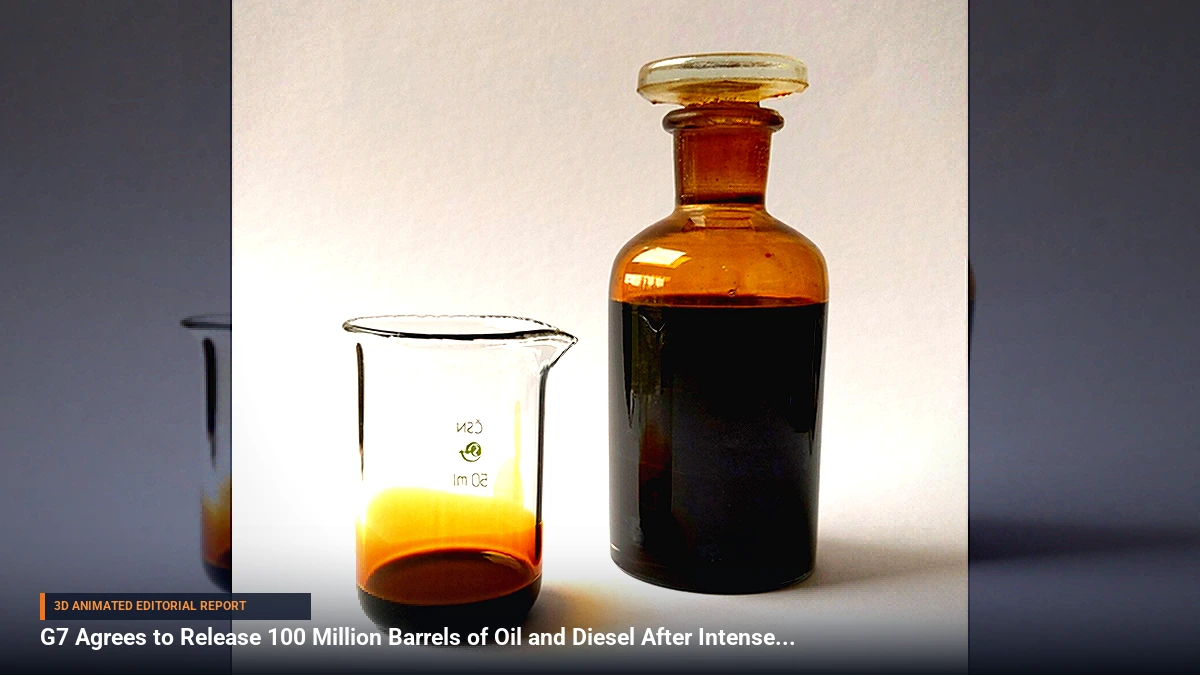
In a significant coordinated intervention, G7 nations have officially agreed to release 100 million barrels of oil and diesel from strategic reserves over a four-month period. The decision comes on the heels of intense diplomatic maneuvering and public pressure led by U.S. President Donald Trump, who pushed European allies to tap into their emergency fuel stockpiles to cool down volatile global energy markets.
French President Emmanuel Macron confirmed the details of the multinational release, noting that the specific allocation dedicated to diesel will be heavily frontloaded to address immediate supply tightness and surging prices. The swift agreement marks a critical turning point in transatlantic energy coordination, albeit one forged through intense diplomatic friction.
Background & Key Context
The breakthrough pact follows a period of mounting tension between Washington and European capitals. According to insider reports, the breakthrough was catalyzed by heavy U.S. pressure, with Washington allegedly floating potential export bans on critical fuel products if European nations failed to deploy their stored emergency diesel supplies.
Emergency strategic reserves are traditionally held by industrialized nations to cushion against severe geopolitical shocks, natural disasters, or sudden supply disruptions. Utilizing these reserves specifically for diesel highlights acute vulnerabilities in global refining and distribution networks, where middle distillate shortages have consistently threatened industrial output and transportation logistics worldwide.
Key Takeaways
- Massive Reserve Release: G7 economies will inject 100 million barrels of combined oil and diesel into the market over a four-month timeframe.
- Frontloaded Diesel: French President Emmanuel Macron emphasized that the diesel portion of the release will be prioritized upfront to alleviate immediate shortages.
- U.S. Leverage: The agreement was heavily propelled by aggressive U.S. diplomatic pressure, including reported threats of export restrictions on European fuel flows.
- Market Stabilization: The multilateral intervention aims to calm jittery commodity markets and curb runaway fuel inflation affecting consumers and industries alike.
Impact, Analysis & Global/National Reactions
The use of export restrictions as a diplomatic lever highlights a shifting paradigm in international trade and energy security. Analysts note that while the release will offer immediate relief to pinched fuel markets, it also exposes underlying fractures in allied consensus regarding how and when strategic reserves should be deployed.
Energy economists point out that frontloading diesel supplies is a necessary measure to protect commercial shipping, agriculture, and manufacturing sectors heavily reliant on middle distillates heading into peak demand cycles. However, critics argue that aggressive arm-twisting sets a precarious precedent for future multilateral cooperation among Western allies.
What's Next: Looking Ahead
Markets will closely monitor how individual G7 member states distribute their respective quotas and the exact volume breakdown between crude oil and refined diesel. As the four-month release window commences, traders will assess whether the 100 million barrel injection is sufficient to permanently lower prices or if additional reserve measures will be required should geopolitical tensions persist.



Be the first to comment
Start a useful conversation around this story.