
What Happened: The Core Developments
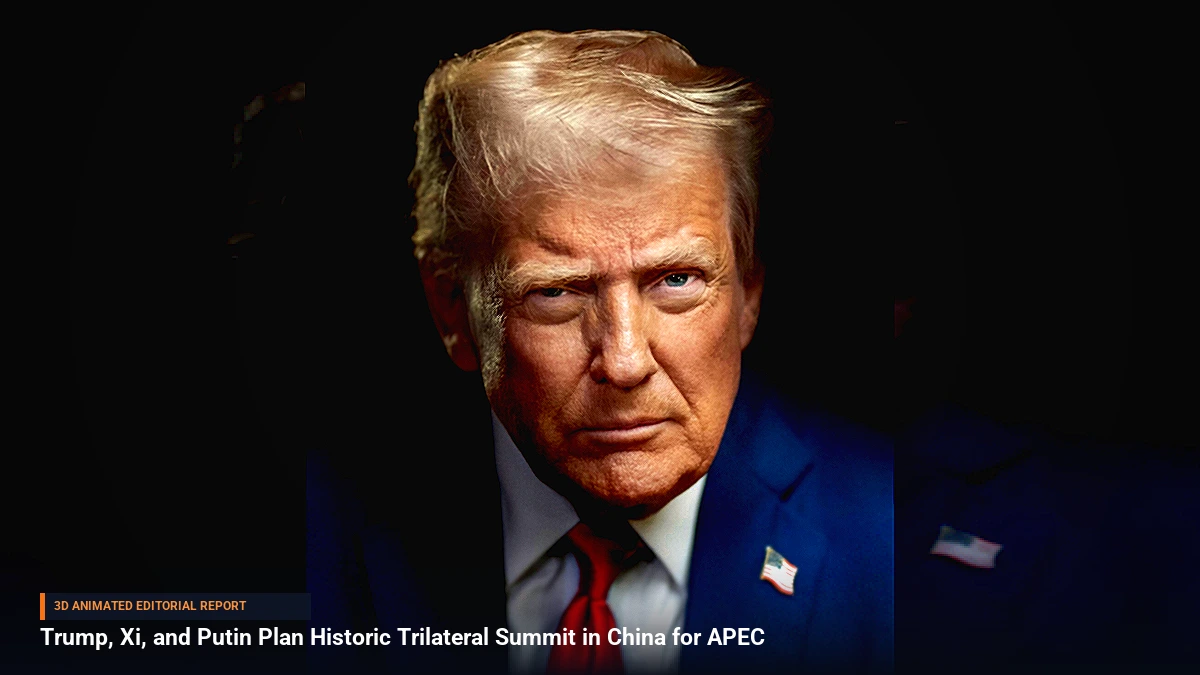
In a diplomatic development that has instantly reshaped global geopolitical calculations, the White House has confirmed that Donald Trump, Xi Jinping, and Vladimir Putin are set to hold their first-ever joint trilateral summit in China. Scheduled to take place on the sidelines of the upcoming Asia-Pacific Economic Cooperation (APEC) meetings, this convergence marks the first time the leaders of the world's three most formidable nuclear-armed superpowers will sit down together for a formal three-way strategic dialogue.
While details regarding the exact venue and minute-by-minute itinerary remain closely guarded by security and diplomatic teams, official statements from Washington indicate that the talks will center heavily on nuclear arms reduction and non-proliferation. However, diplomatic ripples are already being felt globally over the explicit boundaries set for the agenda. According to senior US administration officials, the summit will notably exclude any substantive discussions regarding the war in Ukraine, choosing instead to address escalating regional conflicts, specifically including the war involving Iran.
Background & Key Context
To understand the magnitude of this upcoming trilateral sit-down, one must examine the complex and strained web of bilateral relationships binding Beijing, Moscow, and Washington over the past decade. The last several years have been characterized by intensifying strategic competition, economic friction, and deepening military alignments between China and Russia in the face of persistent Western sanctions and security pressures.
Historically, arms control frameworks have relied on bilateral treaties between Washington and Moscow, such as the now-lapsed or strained strategic stability dialogues. Bringing Beijing into a multilateral conversation regarding strategic nuclear arsenals represents a paradigm shift. China has traditionally resisted entering formal tripartite arms reduction frameworks, arguing that its nuclear stockpile is vastly smaller than those of the United States and Russia. The decision to broker this meeting under the umbrella of an APEC sideline event underscores how shifting global power dynamics and urgent regional crises are forcing pragmatic, if unexpected, channels of communication.
Key Takeaways
- First-Ever Trilateral Meeting: Donald Trump, Xi Jinping, and Vladimir Putin will participate in their inaugural three-way summit in China.
- Nuclear Non-Proliferation Focus: The White House has confirmed that the agenda will prominently feature discussions on the reduction of nuclear weapons.
- Exclusion of Ukraine: US officials have clarified that the protracted war in Ukraine will not be tabled during these discussions.
- Middle East Security on the Table: The leaders are expected to tackle pressing regional stability concerns, specifically addressing the ongoing conflict involving Iran.
- APEC Backdrop: The historic diplomatic convergence is scheduled to take place alongside the multilateral APEC economic summit.
Impact, Analysis & Global/National Reactions
International relations analysts and security experts have offered mixed reactions to the announcement, oscillating between cautious optimism over renewed arms control dialogue and deep anxiety regarding potential geopolitical compromises reminiscent of historical great-power carve-ups.
"Engaging in direct, high-level dialogue on non-proliferation is inherently necessary to prevent catastrophic miscalculations, yet the optics of a superpower summit without European or Ukrainian representation carry profound symbolic weight," notes a senior foreign policy analyst based in Washington. Meanwhile, regional commentators have pointed out that balancing discussions on Iran's conflicts alongside global nuclear parity gives Beijing and Moscow an influential platform to shape Middle Eastern diplomatic outcomes alongside Washington.
Official channels in Beijing and Moscow have maintained a measured stance, emphasizing their willingness to engage in constructive dialogue concerning global security architecture. However, international markets and allied capitals are closely monitoring the developments to gauge whether this trilateral format signals a permanent shift toward great-power direct management of global flashpoints.
What's Next: Looking Ahead
As the summit date approaches, diplomatic delegations from the United States, China, and Russia are locked in intense preparatory negotiations to finalize the working parameters of the meeting. Observers will be closely watching for any preliminary joint communiqués or agreed-upon frameworks regarding nuclear transparency or monitoring mechanisms.
Furthermore, policymakers worldwide will scrutinize the aftermath of the APEC gathering to determine whether this trilateral format remains a singular, issue-specific diplomatic experiment or evolves into a recurring mechanism for managing global security. The outcomes regarding the Iran conflict and non-proliferation commitments will likely dictate the tone of international diplomacy heading into the final quarters of the year.





Be the first to comment
Start a useful conversation around this story.