
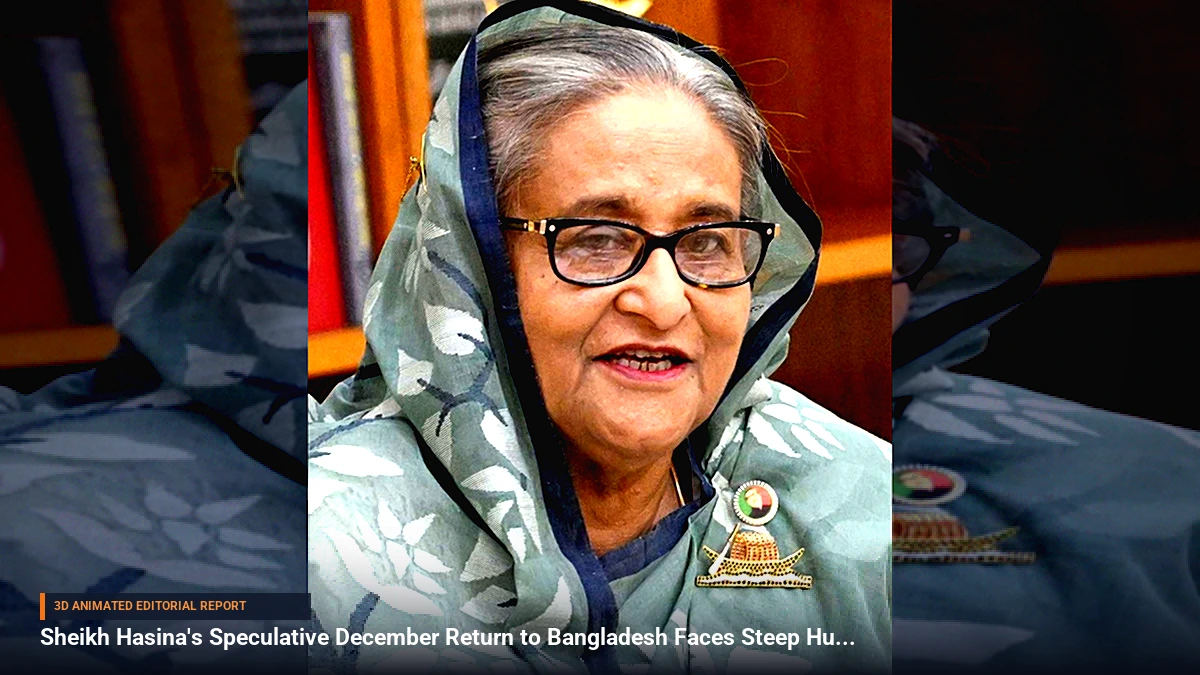
What Happened: The Core Developments
Recent intelligence and media reports have surfaced suggesting that former Bangladesh Prime Minister Sheikh Hasina is eyeing a potential return to her home country by December. While these speculative whispers have triggered widespread discussions across South Asian political circles, multiple geopolitical, judicial, and domestic roadblocks heavily counter the likelihood of this happening.
At the center of these discussions are delicate diplomatic considerations involving India—where Hasina sought refuge following her dramatic ouster—and the interim government currently administering Dhaka. Reports indicate that New Delhi maintains specific strategic conditions regarding her legal status and potential travel, further complicating an already volatile regional landscape.
Background & Key Context
Sheikh Hasina's abrupt departure from Bangladesh marked the dramatic culmination of weeks of intense anti-government protests that fundamentally altered the nation's political trajectory. Following her exit, an interim administration took the reins in Dhaka, tasked with stabilizing the country, restoring institutional integrity, and addressing widespread public demands for accountability regarding the previous administration's policies.
Her ongoing stay in India has continuously tested bilateral ties between the two neighboring nations. While Dhaka navigates its post-revolutionary transition, the question of Hasina's legal accountability and political future remains a sensitive diplomatic flashpoint. Calls from various political factions within Bangladesh range from demands for formal extradition requests to skepticism over whether her reported desire to return is genuine political maneuvering or mere posturing.
Key Takeaways
- Speculative Timeline: Reports suggest a tentative December timeframe for a potential return, though it lacks official backing or institutional verification.
- Geopolitical Friction: The situation places India in a delicate diplomatic dilemma, balancing historical ties with regional stability and bilateral relations.
- Legal and Security Barriers: Active legal challenges and severe security threats inside Bangladesh make an immediate, safe return virtually untenable.
- Interim Government Stance: Dhaka's administration faces intense domestic pressure to address Hasina's legal status decisively without escalating civil unrest.
Impact, Analysis & Global/National Reactions
The prospect—however unlikely—of Sheikh Hasina attempting a political comeback has reverberated deeply through domestic and international channels. Regional analysts emphasize that any uncoordinated movement or abrupt political maneuvering could inflame existing social tensions within Bangladesh.
Diplomatic observers note that India's handling of the situation will set a critical precedent for future bilateral engagements. While domestic critics in Bangladesh push the interim government to issue formal travel documents or demand clear accountability, international partners urge caution to prevent further destabilization of a strategically vital South Asian nation.
What's Next: Looking Ahead
As December approaches, all eyes remain fixed on official communications from both Dhaka and New Delhi. Observers will be closely monitoring any formal updates regarding extradition requests, judicial proceedings, or diplomatic shifts concerning Hasina's residency status. Ultimately, whether this remains mere political rumor or develops into a tangible diplomatic crisis will depend on how strictly both nations adhere to institutional frameworks and regional stability protocols.



Be the first to comment
Start a useful conversation around this story.