
What Happened: The Core Developments
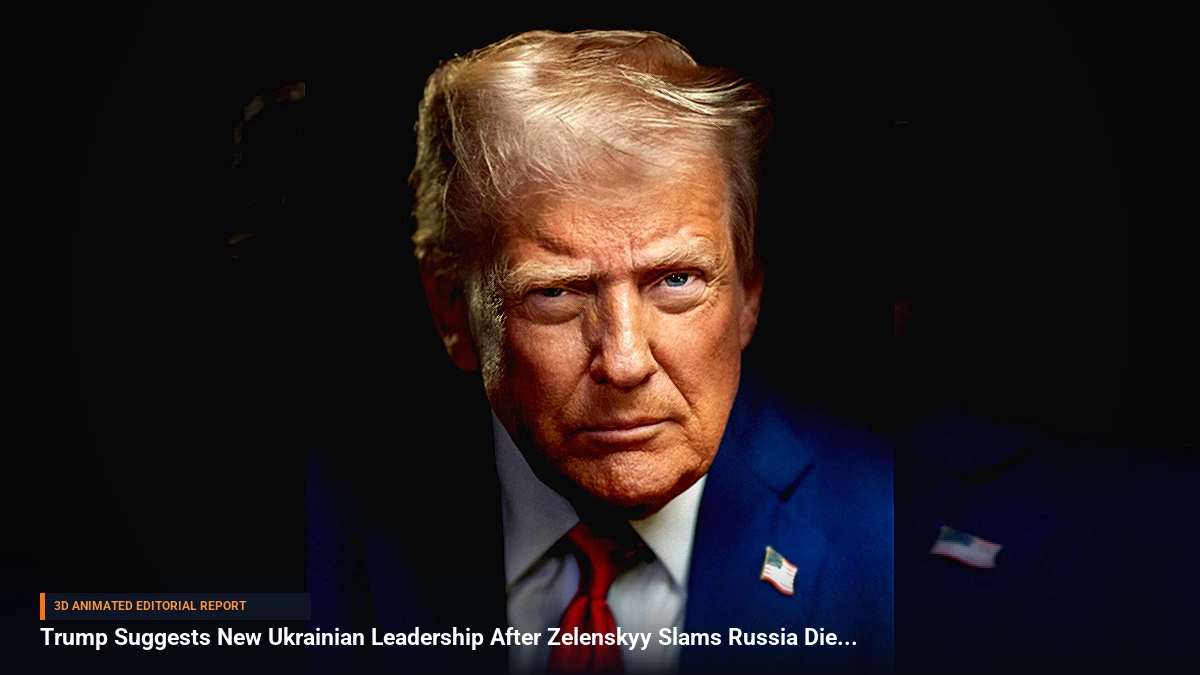
Tensions between Washington and Kyiv reached a boiling point after US President Donald Trump announced a high-stakes agreement involving the purchase and release of 300,000 tons of Russian diesel. Trump defended the policy shift as a necessary measure to drive down domestic fuel prices ahead of critical midterm elections.
However, the decision provoked immediate and sharp pushback from Ukrainian President Volodymyr Zelenskyy, who denounced the move as weak, unfair, and counterproductive to Western sanctions frameworks. Zelenskyy argued that easing restrictions and buying Russian energy products directly finances Moscow's ongoing military campaign, claiming that Ukraine was subsequently targeted by deadly Russian airstrikes as a literal 'thanks' for the economic lifeline.
In response to Zelenskyy's public denunciation, Trump escalated the rhetoric, asserting that it is time for Ukraine to get a new president who is aligned with pragmatic resolutions to end the conflict.
Background & Key Context
For years, the United States and its European NATO allies maintained a unified front of strict economic sanctions designed to starve the Kremlin of revenue generated from oil and gas exports. The sudden pivot to lift specific diesel restrictions marks a major departure from established Western containment policies.
Domestically, the Trump administration faces mounting political pressure over cost-of-living concerns, particularly retail fuel prices. With midterm elections looming, energy affordability has transformed into a central electoral battleground, pushing the White House to explore unconventional supply channels to ease consumer financial strains.
Key Takeaways
- Leadership Clash: Donald Trump openly stated that Ukraine needs new leadership following Volodymyr Zelenskyy's outspoken criticism of Washington's energy policy.
- Diesel Agreement: The US brokered a deal to acquire 300,000 tons of Russian diesel aimed at lowering domestic pump prices ahead of upcoming midterm elections.
- Kyiv's Condemnation: Zelenskyy labeled the sanction relief "weak and unfair," asserting that it directly funds Moscow's war machine.
- Escalated Attacks: The Ukrainian president reported a surge of deadly Russian civilian strikes immediately following the announcement, calling them a reward for the policy shift.
- Alliance Strain: The agreement threatens to create lasting friction between the White House and European allies committed to isolating the Kremlin.
Impact, Analysis & Global/National Reactions
Political analysts view this public rupture as a pivotal moment in the transatlantic alliance. By prioritizing domestic economic relief over synchronized geopolitical isolation of Moscow, the White House has exposed vulnerabilities in the collective Western stance.
International observers note that Zelenskyy's refusal to moderate his criticism has severely strained personal and diplomatic channels with the current US administration. European capitals are closely monitoring the developments, fearful that a permanent fracture in US-Ukraine relations could undermine broader regional security frameworks and embolden the Kremlin.
What's Next: Looking Ahead
As the US approaches its midterm elections, energy prices will remain a dominant political flashpoint, suggesting the administration will defend its diesel agreement despite international criticism. Meanwhile, diplomatic channels between Washington and Kyiv remain severely strained, leaving open questions regarding future military aid packages, intelligence sharing, and the long-term viability of joint strategic planning against Russian aggression.



Be the first to comment
Start a useful conversation around this story.