
What Happened: The Core Developments
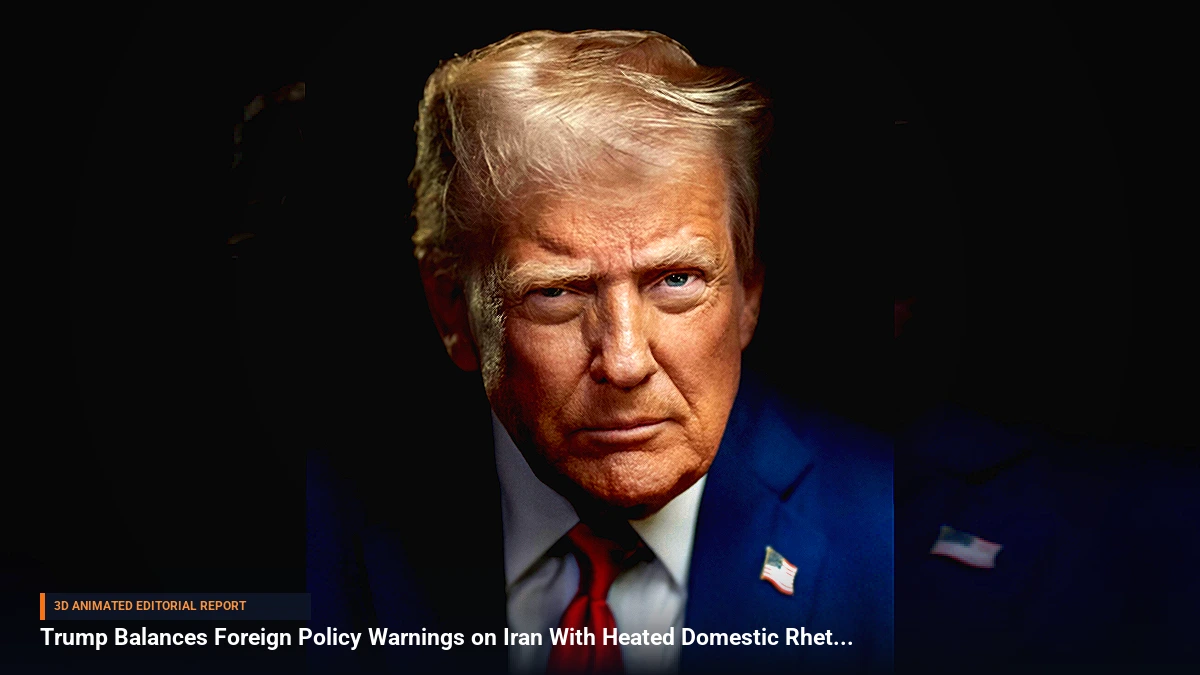
The political landscape ahead of the United States elections has grown increasingly volatile, marked by a sharp intersection of high-stakes foreign policy warnings and aggressive domestic campaign rhetoric. Former President Donald Trump has emerged at the center of this turbulence, drawing national attention for statements concerning a potential post-election escalation with Iran.
Simultaneously, on the domestic front, Trump targeted prominent Michigan political figure Abdul El-Sayed ahead of a high-profile campaign rally. Using inflammatory language, the former president labeled El-Sayed a "jihadist" and alleged an active push for Sharia law, igniting intense debate across local and national media platforms regarding the boundaries of political discourse in battleground states.
Background & Key Context
The dual focus on Middle Eastern geopolitics and localized culture-war politics underscores the complex strategy deployed by campaigns during the final stretch of an election cycle. Tensions involving Iran have remained a persistent underlying current, driven by shifting military postures, regional developments, and speculation over how a new U.S. administration might handle Tehran.
On the domestic side, Michigan continues to serve as an indispensable battleground where demographic diversity and localized political identities hold immense electoral weight. Attacks on regional figures often aim to mobilize specific voter bases by framing local policy debates within broader ideological and national security narratives.
Key Takeaways
- Foreign Policy Posturing: Donald Trump has made notable statements hinting at potential escalations or strategic strikes concerning Iran surrounding the U.S. election period.
- Escalating Rhetoric: Ahead of a Michigan rally, Trump launched a verbal attack against local political figure Abdul El-Sayed, using the label "jihadist."
- Allegations of Sharia Law: The campaign rhetoric in Michigan included unverified assertions alleging a local push for the implementation of Sharia law.
- Battleground Focus: The juxtaposition of international security threats and localized personal attacks highlights the multifaceted strategy used to capture attention in critical swing states.
Impact, Analysis & Global/National Reactions
The simultaneous escalation of rhetoric on both foreign and domestic fronts has sent ripples through political circles. Analysts note that while international warnings regarding Iran play to an electorate concerned with national security and global stability, domestic attacks risk deepening polarization within diverse local communities.
Institutional observers and political commentators have expressed varying viewpoints. Supporters view the uncompromising language as a sign of strength and directness, whereas critics argue that deploying terms like "jihadist" against domestic political opponents poisons the civic well and marginalizes specific communities within crucial voting blocs.
What's Next: Looking Ahead
As election day approaches, the immediate focus remains on how these dual narratives will influence voter turnout and sentiment in pivotal regions like Michigan. Observers will closely monitor any official policy shifts, military developments in the Middle East, and the potential fallout from heated campaign trail exchanges as the electorate heads to the polls.



Be the first to comment
Start a useful conversation around this story.