
What Happened: The Core Developments
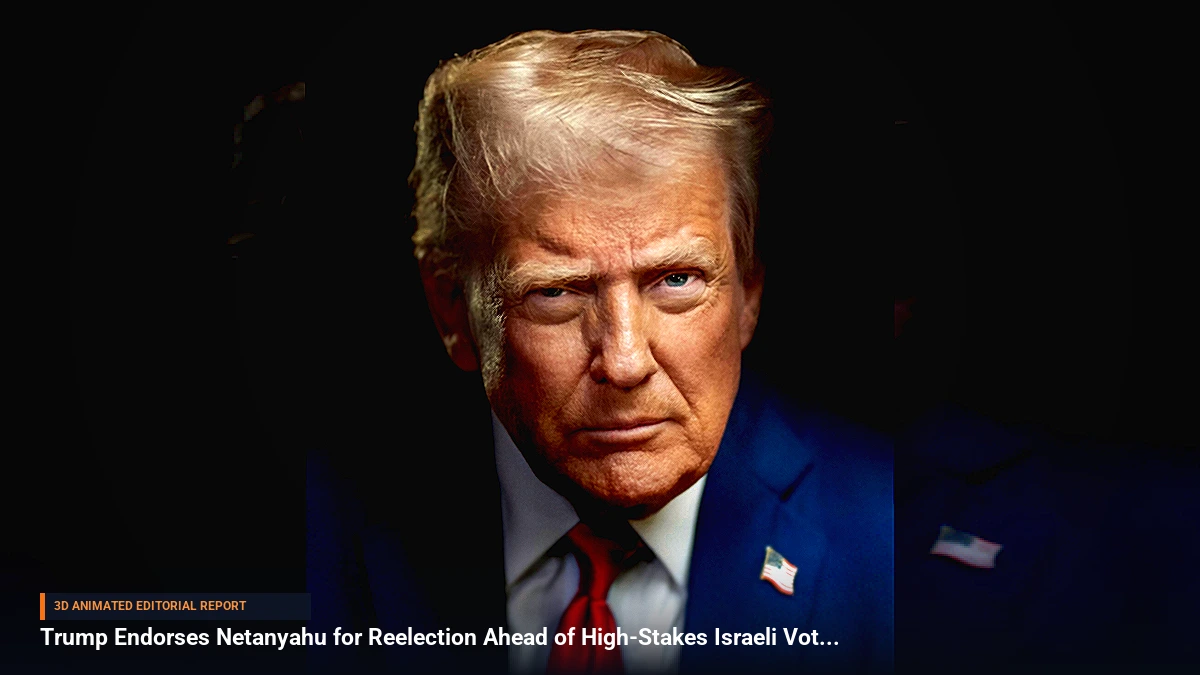
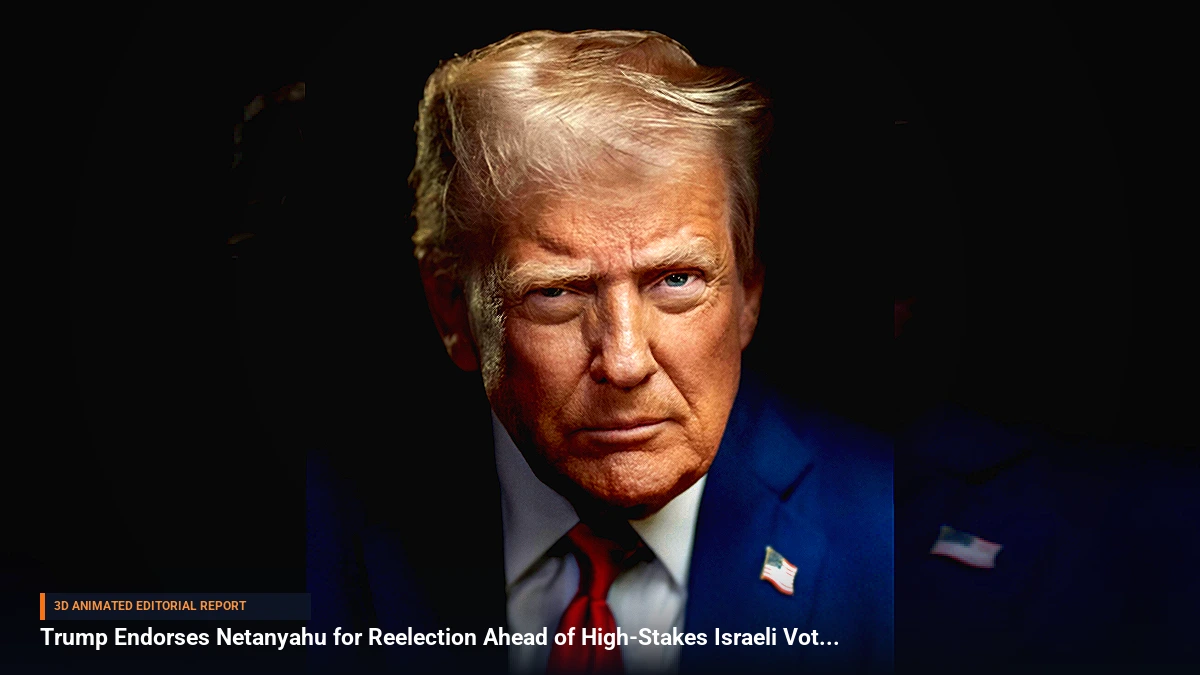
As Israel approaches a critical legislative election on October 27, 2026, former United States President Donald Trump has officially thrown his support behind incumbent Prime Minister Benjamin Netanyahu. In a strongly worded social media statement, Trump offered what he termed a "complete and total endorsement" for the long-serving Israeli leader.
Describing Netanyahu with hyperbolic praise as "Strong, Brave, and Brilliant" and labeling him a "warrior," Trump urged the Israeli electorate to make the right choice at the ballot box. He cautioned voters against selecting the wrong leadership during what he framed as a precarious existential period for the nation, directly linking the electoral outcome to broader regional conflicts.
Background & Key Context
The upcoming legislative election arrives amid a complex backdrop of ongoing military engagements, most notably involving direct hostilities with Iran and heightened regional security concerns. Netanyahu’s political survival has long been tied to his security credentials, yet his domestic standing has faced severe scrutiny, resulting in an exceptionally tight race against political opponents.
While Trump and Netanyahu previously shared a famously close political alliance during Trump’s presidency, their relationship has experienced public friction and strategic realignments over recent years. This eleventh-hour endorsement marks a notable pivot back toward solidarity, timed deliberately to influence undecided voters in the final stretch of a fiercely contested campaign.
Key Takeaways
- The Endorsement: Donald Trump officially endorsed Israeli Prime Minister Benjamin Netanyahu ahead of the vote.
- Election Date: The critical Israeli legislative elections are locked in for October 27, 2026.
- Rhetorical Framing: Trump labeled Netanyahu a "warrior" and a "Strong, Brave, and Brilliant" leader.
- Strategic Warnings: The former US president explicitly warned Israeli voters against choosing the wrong leadership.
- Wartime Backdrop: The electoral contest unfolds amid an ongoing, active military conflict with Iran.
Impact, Analysis & Global/National Reactions
External political interventions in sovereign elections invariably spark intense debate, and Trump’s endorsement of Netanyahu is no exception. Analysts note that while the move could energize Netanyahu’s nationalist base and appeal to right-leaning voters who favor a hardline security stance, it risks alienating moderate or opposition figures who resent foreign interference in domestic democratic processes.
International relations experts suggest the timing is calculated to reinforce Netanyahu’s image as a globally connected statesman capable of navigating high-level diplomatic and security partnerships. However, critics argue that leveraging foreign figures during active wartime conditions politicizes national defense at a time when internal unity is paramount.
What's Next: Looking Ahead
With voting day scheduled for October 27, 2026, campaigns on all sides have entered their final, intense phase. Observers will closely monitor whether Trump's endorsement shifts momentum in the polls or hardens existing political divisions.
The immediate aftermath of the election will determine not only the future of Israel's executive leadership but also the trajectory of its foreign policy, regional security strategies, and ongoing defense operations concerning Iran.


Be the first to comment
Start a useful conversation around this story.