
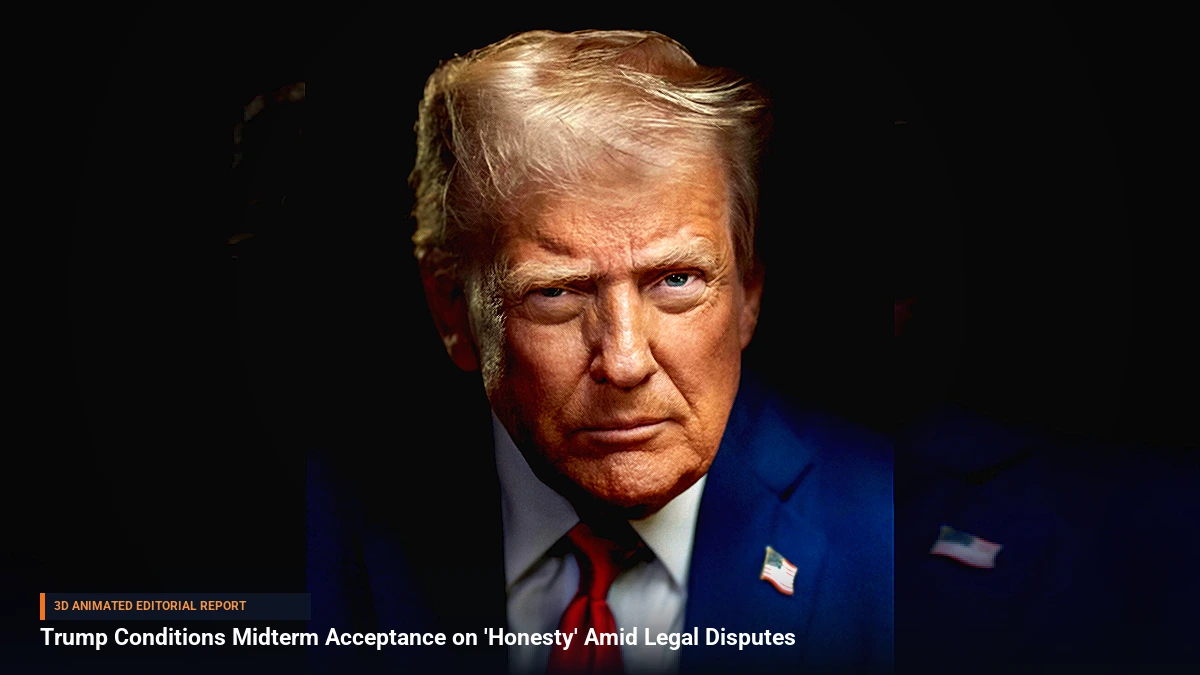
What Happened: The Core Developments
As the United States approaches the crucial November 3 midterm elections, President Donald Trump has publicly addressed the validity of the upcoming vote. In recent statements, the US leader indicated that he intends to respect the final electoral results, but added a significant caveat: "if they're honest." This conditional stance immediately injected fresh debate into the political landscape, reviving discussions surrounding trust in democratic processes and the administration's posture toward electoral oversight.
Simultaneously, the administration has intensified its scrutiny of voting procedures through formal actions. Reports confirm that executive-backed legal challenges have been filed against several Democrat-led US states. These legal maneuvers ostensibly focus on election integrity frameworks, setting up a contentious battleground between federal oversight and state-level administration as voters prepare to head to the polls.
Background & Key Context
The intersection of executive rhetoric and state-level election administration has been a defining feature of modern American politics. Midterm elections historically serve as a referendum on the sitting president's agenda, often resulting in shifts in legislative power within the House of Representatives and the Senate. President Trump also remarked that he would "figure a way" to work across the aisle with Democrats should Republicans lose their majority in the House, signaling a pragmatic approach to potential legislative gridlock even while casting doubt on the procedural framework of the vote itself.
Key Takeaways
- Conditional Acceptance: President Trump stated he will respect the November 3 midterm outcomes specifically under the condition that the elections are "honest."
- Legal Scrutiny: The Trump administration has actively pursued legal challenges targeting voting procedures and election integrity in Democrat-led states.
- Bipartisan Outlook: Despite political friction, the president expressed a willingness to collaborate with Democratic lawmakers if the House changes hands.
- Heightened Tensions: The conditional phrasing has once again focused national attention on the mechanics, security, and perceived fairness of American balloting systems.
Impact, Analysis & Global/National Reactions
Political analysts note that framing election outcomes around subjective conditions like "honesty" plays a dual role in shaping voter sentiment and mobilizing political bases. For supporters, these statements underscore a necessary vigilance regarding vote counting and administrative rules. Conversely, critics and democratic institutions argue that such conditional declarations undermine public confidence in the electoral system long before the first ballots are officially tallied.
The simultaneous legal pressure applied to Democrat-led states demonstrates a concerted strategy by the administration to shape the electoral battlefield through judicial channels. Stakeholders across markets and civic organizations are closely monitoring these developments, recognizing that prolonged legal challenges could delay certified results and amplify political polarization in the critical days following November 3.
What's Next: Looking Ahead
As the November 3 midterm date rapidly approaches, all eyes will be on the execution of voting operations across the country. Attention will focus on how state election officials manage administrative hurdles, process mail-in and in-person ballots, and respond to ongoing federal lawsuits. Post-election outcomes will dictate not only the balance of power in Congress but also test the resilience of institutional frameworks as the nation navigates the immediate aftermath of the vote.



Be the first to comment
Start a useful conversation around this story.