
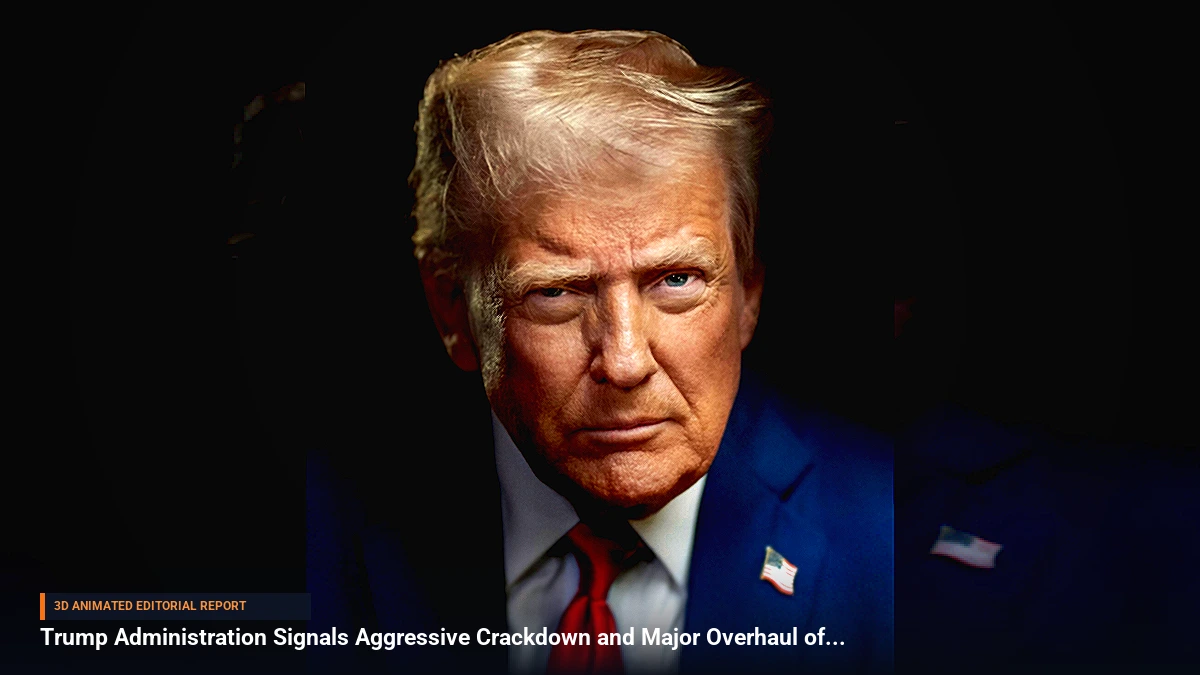
What Happened: The Core Developments
The incoming U.S. administration has strongly signaled a stringent enforcement campaign against foreign-labor fraud, directing acute attention toward the widely utilized H-1B visa program. High-ranking officials have adopted unvarnished rhetoric—including prominent warnings that enforcement agencies have "handcuffs ready"—to deter corporate malpractice.
This aggressive posture highlights a deliberate pivot toward penalizing businesses that exploit legal immigration pathways. The focus centers heavily on preventing companies from replacing domestic professionals with lower-cost foreign labor, framing the initiative as a core matter of economic protection for American workers.
Background & Key Context
The H-1B visa program has historically served as a vital pipeline for U.S. technology companies, healthcare organizations, and financial institutions seeking specialized global talent. However, the system has routinely faced intense political scrutiny from both sides of the aisle over allegations of systemic abuse, wage stagnation, and the outsourcing of skilled positions.
During previous political cycles and transition periods, conservative policymakers consistently targeted high-skilled immigration frameworks, advocating for merit-based reforms, higher wage floors, and rigorous audits. The latest developments suggest that the incoming administration plans to operationalize these long-standing criticisms through direct regulatory action and heightened legal liability for corporate sponsors.
Key Takeaways
- Aggressive Enforcement Tone: Officials have deployed sharp rhetoric, signaling zero tolerance for systemic immigration manipulation and fraud.
- Protection of Domestic Workforce: Primary justification for the impending crackdown centers on preventing the displacement of American workers.
- Major Systemic Overhaul: The administration is laying the groundwork for sweeping structural changes to the H-1B framework over the coming months.
- Heightened Employer Risk: Companies heavily reliant on foreign labor face elevated compliance risks, potential audits, and severe legal repercussions.
- Global Implications: The policy shifts are expected to profoundly affect international applicants, particularly technology professionals originating from countries like India.
Impact, Analysis & Global/National Reactions
The signaling of strict H-1B curbs has sent ripples across corporate boardrooms and international technology hubs. Business advocates and immigration attorneys are closely evaluating how these impending changes will alter recruitment pipelines for multinational corporations.
While labor advocates and domestic worker unions have applauded the administration's defensive stance regarding American jobs, industry associations express concern that heavy-handed restrictions could compromise the U.S. technology sector's ability to attract and retain elite global talent. Critics argue that overly restrictive measures might inadvertently encourage companies to relocate research, development, and high-skilled operations to more accommodating foreign jurisdictions.
What's Next: Looking Ahead
As the administration transitions into full operational capacity, stakeholders anticipate formal rulemakings, Department of Labor audits, and potential executive actions aimed at reshaping the H-1B landscape.
Employers utilizing foreign labor must urgently review their hiring, compensation, and compliance practices to mitigate legal exposure. Meanwhile, prospective applicants and current visa holders are advised to monitor unfolding policy adjustments closely as federal agencies begin rolling out targeted enforcement protocols over the next year.



Be the first to comment
Start a useful conversation around this story.