
What Happened: The Core Developments
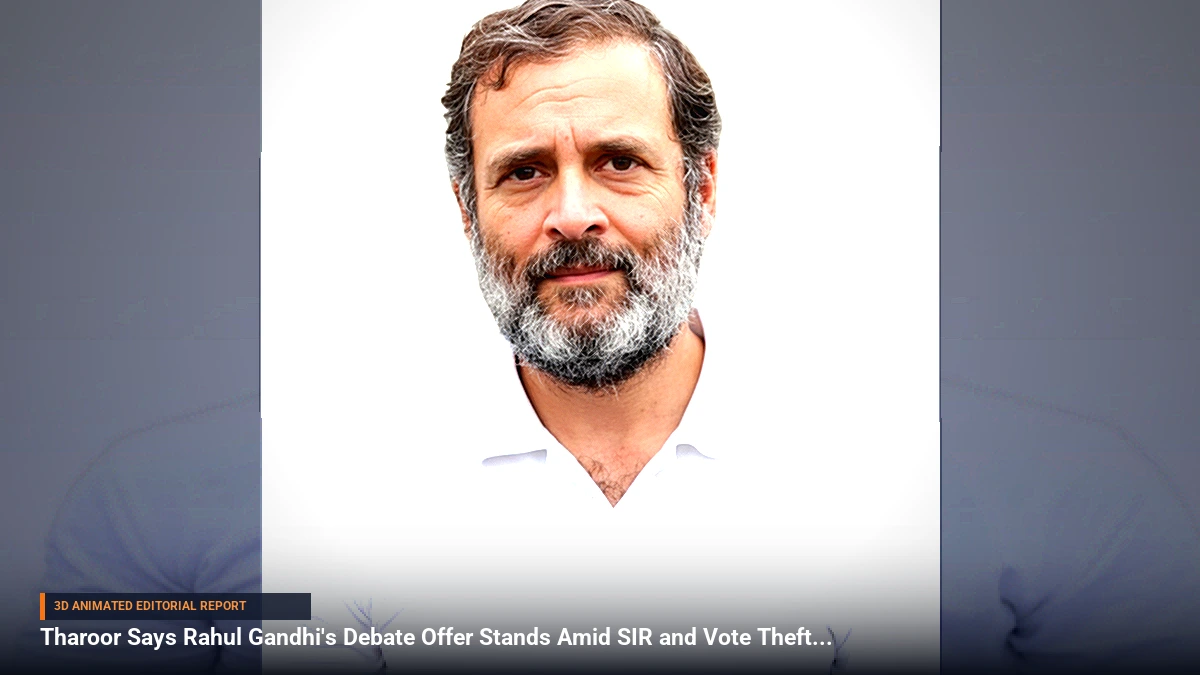
The political standoff between India's ruling Bharatiya Janata Party (BJP) and the opposition INDIA bloc has intensified dramatically, centered around allegations regarding Special Intensive Revision (SIR) procedures and voter list management. Senior Congress leader Shashi Tharoor recently stepped forward to reiterate that opposition leader Rahul Gandhi's open offer to debate the ruling party on these critical governance issues remains firmly on the table.
The verbal sparring escalated after Rahul Gandhi publicly challenged Union Home Minister Amit Shah to convince Prime Minister Narendra Modi to engage in a formal debate over the SIR and alleged vote theft controversies. In response, Amit Shah fired back with a counter-challenge, urging the Congress leader to face the ruling coalition "head-on inside Parliament" rather than engaging in rhetorical skirmishes outside.
Simultaneously, Amit Shah took the political battle to the ground, leading a high-profile 'Loktantra Bachao, Arajakta Hatao' (Save Democracy, Eradicate Anarchy) march in Karnal, Haryana. Addressing a massive gathering, Shah utilized the platform to criticize the opposition, accusing the Congress party of institutionalizing a culture of parliamentary disruption and ruckus. In a colorful, sports-themed quip comparing political maneuvers to a game of kabaddi, Shah defended the ongoing voter-list cleansing initiatives as a non-negotiable, firm resolve of the BJP administration.
Background & Key Context
Disputes over electoral rolls, delimitation exercises, and administrative transparency have long formed the bedrock of electoral contestation in India. However, recent controversies surrounding the SIR process and allegations of vote tampering have transformed into a broader ideological and procedural flashpoint.
The ruling party maintains that systematic voter list revisions are vital administrative procedures necessary to eliminate fraudulent, duplicate, or ghost voters, ensuring the sanctity of the electoral franchise. Conversely, opposition parties have raised procedural alarms, expressing deep apprehensions that certain revisions could disenfranchise marginalized or opposition-leaning demographics. This friction has regularly spilled over into parliamentary sessions, frequently leading to intense legislative deadlocks, walkouts, and mutual accusations of avoiding substantive democratic debate.
Key Takeaways
- Persistent Challenge: Shashi Tharoor confirmed that Rahul Gandhi's offer to engage in an open debate with the ruling party regarding the SIR and vote theft rows is still active.
- Battle Lines Drawn: Rahul Gandhi challenged Amit Shah to secure Prime Minister Narendra Modi's participation in the proposed debate.
- Parliamentary Showdown: Home Minister Amit Shah rejected public arena debates in favor of a direct confrontation inside the walls of Parliament.
- Karnal Rally & March: Amit Shah led the 'Loktantra Bachao, Arajakta Hatao' march in Karnal, mobilizing hundreds of supporters to counter opposition narratives.
- Core Governance Defense: The BJP strongly defended voter-list cleansing operations, framing them as a firm and essential resolve rather than a political tool.
Impact, Analysis & Global/National Reactions
The ongoing public duel highlights a deepening institutional and communication crisis within Indian democratic discourse. Analysts note that while public debates on policy and electoral integrity are healthy for a robust democracy, the current climate is increasingly characterized by tactical positioning rather than constructive bipartisan dialogue.
By framing the debate challenge around the Prime Minister's office, the opposition seeks to elevate the political stakes, pressing the executive branch for direct accountability. On the other hand, the BJP’s insistence on parliamentary debate is designed to reinforce institutional decorum while painting the opposition as disruptive elements unwilling to participate in established legislative frameworks. Furthermore, Shah's pointed critiques regarding foreign trips and legislative decorum aim to shift public scrutiny back onto the personal and institutional credibility of opposition leadership.
What's Next: Looking Ahead
As political formations gear up for upcoming electoral cycles and parliamentary sessions, the standoff over electoral rolls and debate formats is unlikely to dissipate. Stakeholders and observers will closely monitor whether the two sides can negotiate terms for a structured parliamentary debate or if the confrontation will continue to manifest primarily through public rallies, press conferences, and legislative disruptions. The administrative handling of the SIR process will remain a key focal point for legal and political scrutiny in the foreseeable future.

Be the first to comment
Start a useful conversation around this story.