
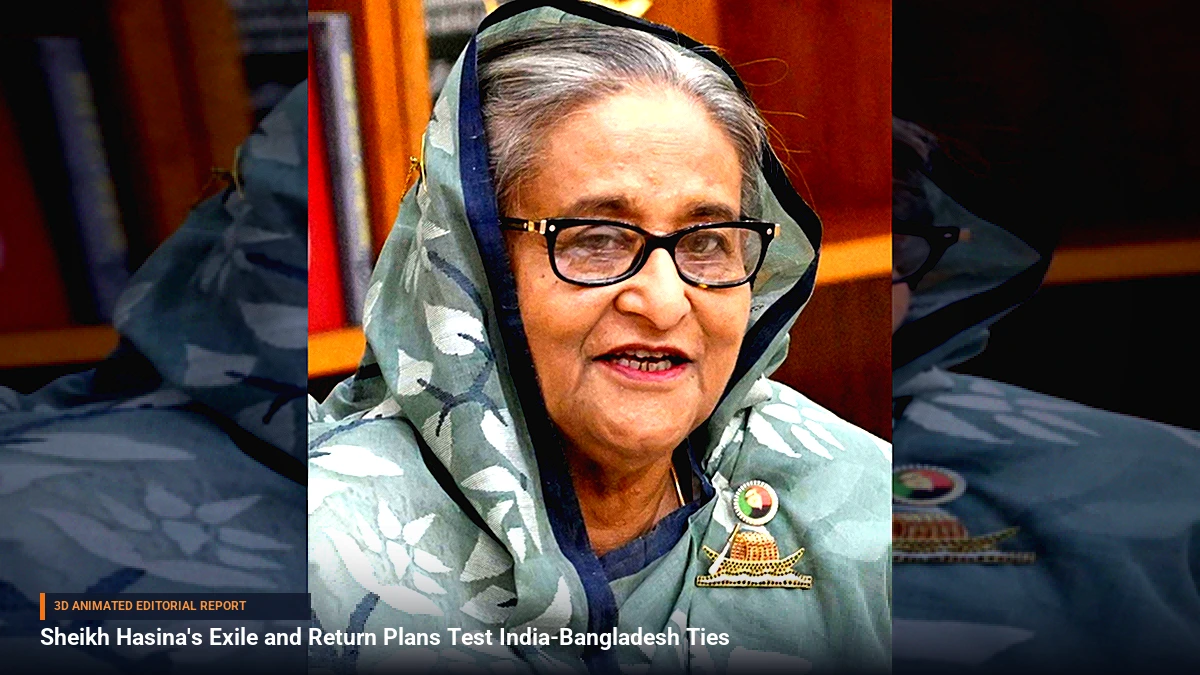
What Happened: The Core Developments
The geopolitical landscape between New Delhi and Dhaka faces a profound test centered around the status of former Bangladesh Prime Minister Sheikh Hasina. Having resided in India since her dramatic exit in August 2024, Hasina's prospective return and her legal standing—including a death sentence handed down in her absence—have created a volatile diplomatic bottleneck.
Indian authorities have notably separated Hasina's proposed movements and passport considerations from formal bilateral extradition frameworks. At the same time, New Delhi has forcefully flagged rising concerns over the security and protection of minority populations within Bangladesh, creating a multifaceted diplomatic standoff that extends far beyond a simple legal handover.
Background & Key Context
Sheikh Hasina's flight to India in August 2024 marked the abrupt end of her long-tenured administration following massive civil unrest in Bangladesh. Since then, she has maintained a discreet existence under the protection of Indian security protocols in New Delhi.
However, the political transition in Dhaka brought to power administrations eager to secure accountability for the turbulent events surrounding her ouster. The issuance of severe judicial verdicts, including a death sentence, escalated domestic pressures in Bangladesh for her immediate repatriation, turning her asylum into a critical test of bilateral endurance for both regional neighbors.
Key Takeaways
- Exile Timeline: Sheikh Hasina has lived in India under protective arrangements since her departure from Bangladesh in August 2024.
- Diplomatic Separation: New Delhi has deliberately decoupled Hasina's residency and potential return discussions from standard extradition requests.
- Minority Security Concerns: India has explicitly tied broader bilateral engagements to the imperative investigation and prevention of attacks against minorities in Bangladesh.
- Domestic Resistance: Bangladeshi officials and ministers have publicly downplayed or dismissed the immediate feasibility of her return, reflecting deep domestic polarization.
- Regional Strains: The standoff underscores the delicate balancing act India must maintain between respecting regional partner governments and upholding obligations to high-profile political figures granted shelter.
Impact, Analysis & Global/National Reactions
The diplomatic friction highlights the intricate challenges nations face when harboring former heads of state facing severe legal penalties in their home countries. Analysts note that India's strategy aims to prevent immediate escalation while using diplomatic leverage to address sectarian violence and minority rights in Bangladesh.
Conversely, political stakeholders in Dhaka view the shelter provided to Hasina as a stumbling block to transitional justice. While Bangladeshi ministers dismiss immediate prospects of her reintegration into the political sphere, the issue remains a powerful domestic flashpoint. International observers are closely monitoring how New Delhi balances its historical ties with regional stability and humanitarian considerations.
What's Next: Looking Ahead
As diplomatic channels remain active behind closed doors, future developments will likely hinge on formal bilateral communications regarding passport renewals, legal clarity on extradition petitions, and tangible security guarantees for minorities in Bangladesh. Both capitals face mounting pressure to manage the crisis pragmatically to prevent long-term regional alienation.


Be the first to comment
Start a useful conversation around this story.