
What Happened: The Core Developments
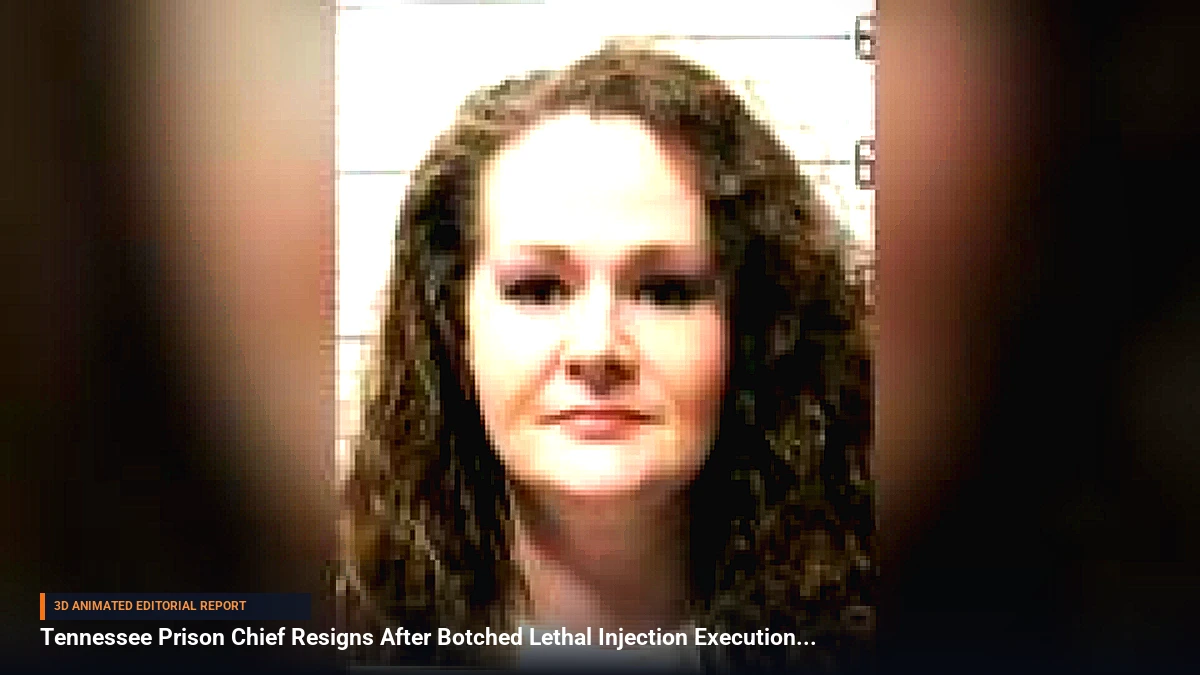
The state of Tennessee is facing severe scrutiny following a catastrophic failure during the scheduled execution of death row inmate Christa Pike. The lethal injection procedure, utilizing the drug pentobarbital, did not proceed as intended, resulting in a botched execution that left Pike alive but in critical condition. According to statements from her legal representatives, Pike is currently unconscious and placed on a mechanical ventilator while medical professionals work intensively to clear residual doses of pentobarbital from her system.
The incident has sent immediate shockwaves through the state's correctional hierarchy and prompted high-level political fallout. Tennessee Department of Correction Commissioner Frank Strada announced his resignation from his post in the wake of the critical failure. Governor Bill Lee subsequently confirmed Strada's impending departure slated for later in October, while simultaneously announcing an independent investigation to uncover the systemic or operational errors that caused the lethal injection process to fail.
Background & Key Context
Capital punishment procedures and the procurement or administration of lethal substances have long been subjects of intense legal, ethical, and operational debate across the United States. Lethal injection protocols typically require precise chemical administration, and deviations or procedural breakdowns can lead to severe complications. In this case, the failure of the pentobarbital protocol marks a rare and alarming breakdown in state-administered capital punishment, raising immediate questions regarding oversight, staff training, and equipment functionality within Tennessee's correctional facilities.
Legal teams representing death row inmates have repeatedly challenged the reliability and humanity of state execution methods. The survival of Christa Pike through a botched procedure places Tennessee at the center of a renewed national discourse regarding the administration of the death penalty and the accountability of corrections leadership when protocols fail catastrophically.
Key Takeaways
- Execution Failure: Christa Pike survived an attempted execution via lethal injection utilizing pentobarbital in Tennessee.
- Critical Condition: Following the botched procedure, Pike remains unconscious and on a ventilator while doctors attempt to clear the drug from her system.
- Leadership Fallout: Tennessee Department of Correction Commissioner Frank Strada is resigning from his position.
- Independent Probe: Governor Bill Lee announced a full independent investigation into the causes and failures of the execution process.
- Transition Timeline: Strada is officially scheduled to step down from his role later in October as inquiries move forward.
Impact, Analysis & Global/National Reactions
The rare failure of a state-sanctioned execution has amplified long-standing ethical concerns and operational criticisms surrounding capital punishment protocols. Legal advocates for Pike noted that the execution's failure extends far beyond any single individual's actions, pointing toward deeper systemic vulnerabilities within the state's correctional apparatus. Civil rights organizations and legal experts have seized upon the incident to demand broader transparency and a comprehensive review of state execution protocols nationwide.
Politically, the swift resignation of Commissioner Strada indicates an acknowledgment of accountability at the highest echelons of Tennessee's prison administration. By initiating an independent investigation, the state executive office aims to address public and institutional concerns regarding how such a critical breakdown could occur under established state guidelines.
What's Next: Looking Ahead
As medical teams continue efforts to stabilize Christa Pike, legal battles are expected to intensify regarding her ongoing medical status and any future legal protections. Simultaneously, the launch of the independent investigation ordered by Governor Lee will be closely watched by legal scholars, advocacy groups, and state legislators.
Commissioner Strada’s departure later in October marks the beginning of leadership transitions within the Tennessee Department of Correction, even as the state confronts mounting pressure to release detailed findings from the independent inquiry and address the future of its capital punishment framework.






Be the first to comment
Start a useful conversation around this story.