
What Happened: The Core Developments
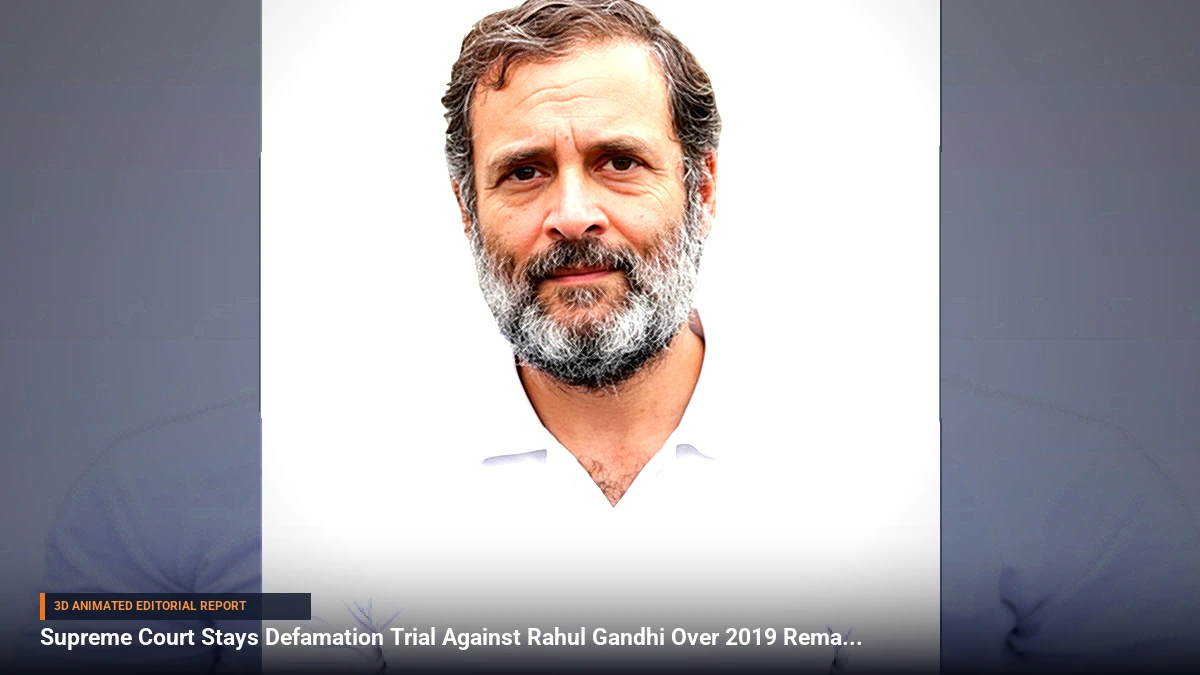
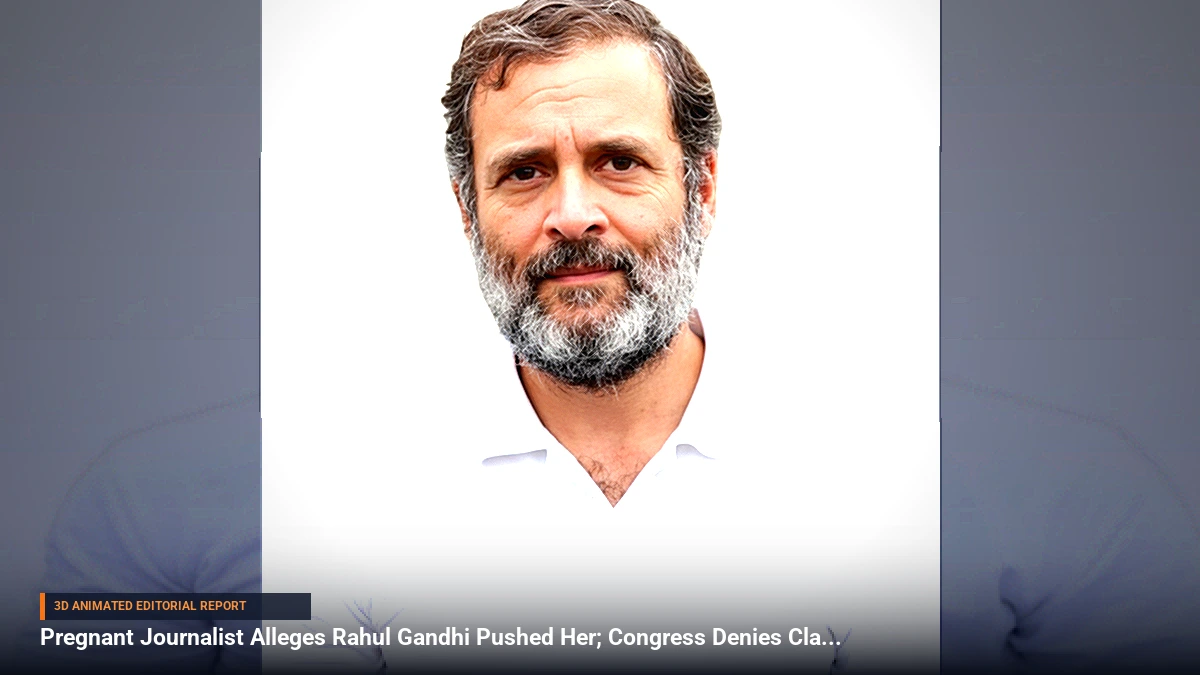
In a significant legal intervention, the Supreme Court of India has ordered a complete stay on the defamation trial involving senior politician Rahul Gandhi. The case originates from controversial remarks made by Gandhi during a 2019 political campaign event concerning Prime Minister Narendra Modi.
A bench comprising Justices Vikram Nath and Aparesh Kumar Singh heard the matter and decided to grant interim relief to the prominent opposition leader. Alongside the stay order, the apex court bench issued formal notices to the Maharashtra state government as well as the original complainant in the case, identified as MH Shrishrimal. Both parties have been directed to submit their formal responses and counter-arguments within a strict window of four weeks.
Background & Key Context
Defamation litigation involving high-profile political figures has increasingly found its way into India's higher judiciary in recent years. Political speech, rhetorical flourishes during rigorous election campaigns, and the legal boundaries separating robust political critique from actionable defamation have sparked intense national discourse.
In this particular matter, the complaint was lodged in Maharashtra by MH Shrishrimal, targeting comments made by Rahul Gandhi back during the high-stakes 2019 general election cycle. As lower courts moved forward with the procedural aspects of the criminal defamation complaint, legal teams representing Gandhi escalated the matter to the Supreme Court to seek protective relief, arguing that the judicial process warranted higher constitutional scrutiny.
Key Takeaways
- Supreme Court Intervention: The apex court has officially stayed the defamation trial against Rahul Gandhi.
- Judicial Bench: Justices Vikram Nath and Aparesh Kumar Singh presided over the bench issuing the stay.
- Notices Issued: Formal notices have been served to the Maharashtra government and complainant MH Shrishrimal.
- Response Window: Both respondents have been given a deadline of four weeks to file their replies.
- Originating Remarks: The legal challenge stems from political commentary delivered by Gandhi during the 2019 election season concerning Prime Minister Narendra Modi.
Impact, Analysis & Global/National Reactions
Legal analysts view this Supreme Court intervention as another crucial milestone in defining the legal thresholds for political speech in the world's largest democracy. With political rhetoric growing increasingly sharp across party lines, the balance between protecting individual reputations from malicious attacks and safeguarding unfettered political expression remains a delicate constitutional balancing act.
Constitutional experts note that interim stays by the Supreme Court in political defamation matters often signal a deeper judicial examination of whether the ingredients of criminal defamation are genuinely met by generalized political rhetoric. Stakeholders across the political spectrum will be closely monitoring how the Maharashtra government and the private complainant formulate their responses over the coming weeks.
What's Next: Looking Ahead
Following the issuance of notices by Justices Vikram Nath and Aparesh Kumar Singh, the immediate legal focus shifts to the four-week compliance deadline. Once the Maharashtra government and MH Shrishrimal submit their formal counter-affidavits and replies, the Supreme Court is expected to schedule a subsequent hearing to determine whether the stay should be made permanent or if the matter should proceed back to the lower courts for trial adjudication.
Be the first to comment
Start a useful conversation around this story.