
What Happened: The Core Developments
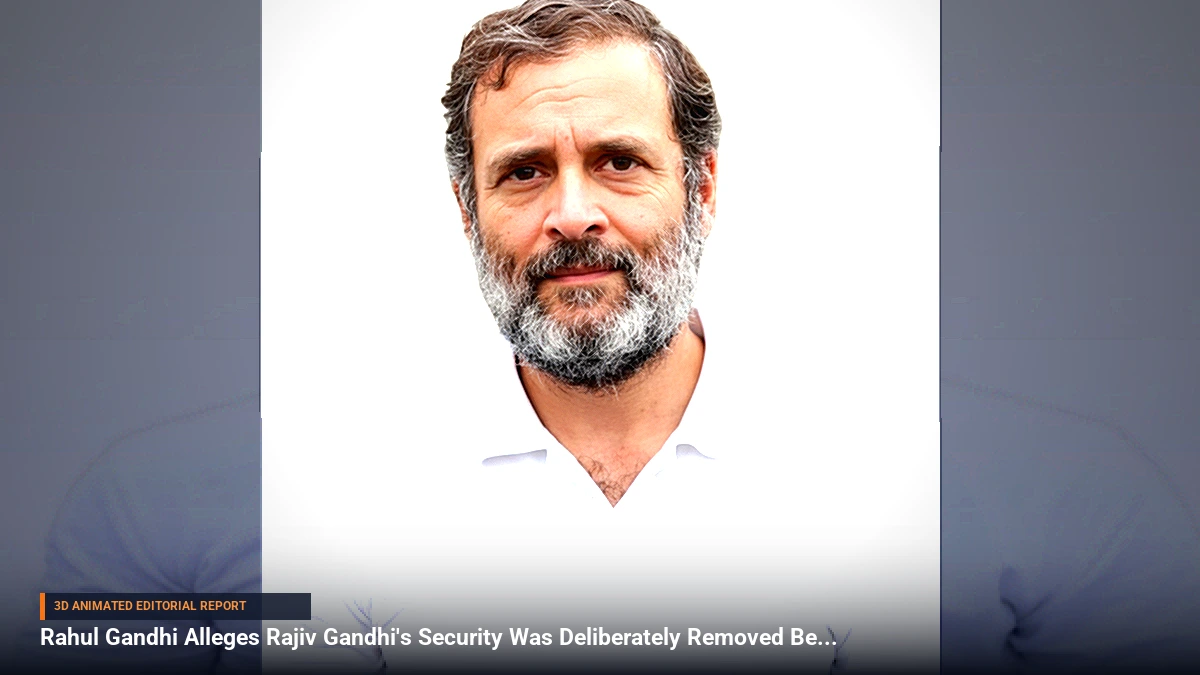
Recent statements made by senior Indian political figure Rahul Gandhi have reignited national debate over the tragic assassination of former Prime Minister Rajiv Gandhi. According to reports, Rahul Gandhi asserted publicly that his father's official security arrangements were deliberately scaled down and withdrawn with the explicit intent of allowing the assassination to take place.
This serious charge has surfaced alongside historical reflections in Sonia Gandhi's memoir, titled Belonging, which details the family's harrowing recollections, personal trauma, and deep concerns regarding the rapid dismantling of the former prime minister's security protocols prior to the fatal bombing in May 1991.
Background & Key Context
Rajiv Gandhi assumed office following the assassination of his mother, Indira Gandhi, in 1984, steering the nation through a volatile political era before stepping down from the premiership. As a high-profile target facing severe security threats, particularly from militant groups such as the LTTE, the maintenance of robust personal security was deemed critical by defense and intelligence experts.
However, changes in government administrations frequently triggered reviews of protective cover for former leaders. The sudden downgrade of Rajiv Gandhi's security detail has long remained a subject of intense political scrutiny, speculation, and criticism from Congress loyalists who argued that the state failed in its primary duty to protect a former head of government.
Key Takeaways
- Direct Accusation: Rahul Gandhi explicitly claimed that his father's security was removed to facilitate his assassination.
- Memoir Insights: Sonia Gandhi's book Belonging recounts family distress and early warnings voiced by Rahul Gandhi regarding the impending dangers of the security downgrade.
- Historical Scrutiny: The revelations reopen long-standing debates regarding the adequacy of state protection afforded to political leaders during periods of high internal turmoil.
- Emotional Toll: The family's writings highlight the generational trauma and lasting impact of the assassination on the Gandhi family.
Impact, Analysis & Global/National Reactions
The explosive statements have reverberated across the Indian political landscape, dividing opinion among historians, analysts, and rival political factions. While supporters of the Gandhi family view these disclosures as a long-overdue validation of their fears regarding systemic political vulnerabilities, critics often caution against revisiting decades-old tragedies without comprehensive, officially declassified documentation from that era.
Political analysts note that public remembrance of the Gandhi family's sacrifices continues to shape the ideological narrative of the Indian National Congress. By bringing personal accounts and stark historical grievances back into the public eye, leadership aims to emphasize the high human cost borne by their family in service to the nation.
What's Next: Looking Ahead
As memoirs and renewed testimonies continue to enter the public discourse, historians and political researchers will likely push for deeper archival transparency regarding the administrative decisions that led to security alterations in the early 1990s. While legal and investigative chapters on the assassination remain firmly closed, the cultural and political narrative surrounding the tragedy continues to evolve through personal testimonies and family reflections.
Be the first to comment
Start a useful conversation around this story.