
What Happened: The Core Developments
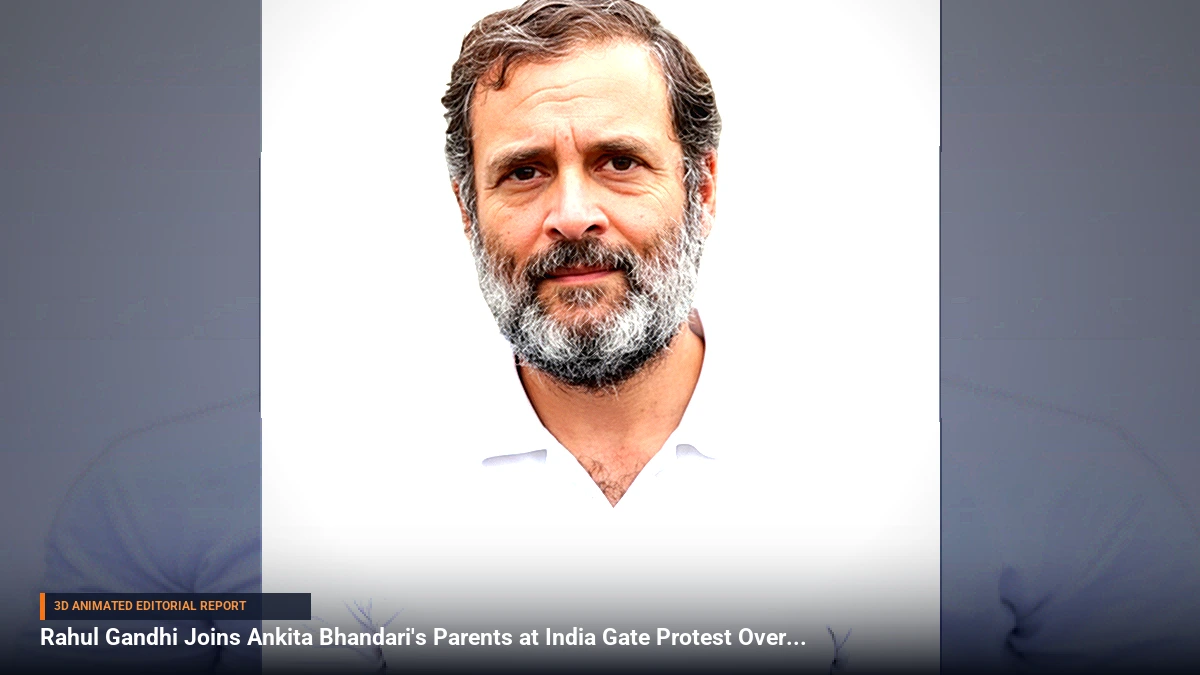
Recent developments in New Delhi have thrust the apex court into the center of a complex intersection between public demonstrations, law enforcement accountability, and high-stakes political litigation. The Supreme Court officially issued notices to several prominent political figures—including opposition leader Rahul Gandhi, Digvijaya Singh, and Asaduddin Owaisi—following petitions lodged against the Special Intensive Revision (SIR) proceedings. Furthermore, the bench issued notices to the Election Commission of India (ECI), the Chief Election Commissioner (CEC), and the fellow election commissioners regarding related petitions calling for rigorous investigations into perceived electoral irregularities.
Amidst these legal maneuvers, the fallout from the October 10 and October 12 protests continues to reverberate through judicial channels. Delhi Police filed a comprehensive affidavit defending the sweeping restrictions enacted during the demonstrations, which included targeted road closures, localized internet suspensions, and temporary metro adjustments. Law enforcement officials maintained that despite the logistical disruptions, detainees were treated in accordance with human rights standards, receiving adequate provisions while in custody. In a separate legal proceeding stemming from the unrest, the Supreme Court ordered that no coercive action be taken while demanding a time-bound, impartial investigation into a clash involving a journalist and a police officer over alleged misconduct during the demonstrations.
Background & Key Context
The tension in the capital follows months of mounting friction between opposition political entities and electoral authorities. Demonstrations surrounding the ECI and key administrative zones have routinely triggered heightened security protocols, blockades, and intense public scrutiny over civil liberties. Past controversies regarding designated protest zones—such as historical challenges surrounding the de-notification of Jantar Mantar—have continually forced the judiciary to balance public safety and crowd management with citizens' fundamental rights to free assembly and expression.
When political marches transitioned into the judicial sphere, the bench found itself forced to draw a sharp line between legitimate democratic redress and attempts to sway judicial integrity. The latest hearings highlight deep-seated structural friction regarding how dissent is managed in urban centers and how statutory bodies like the ECI account for their decision-making processes under legal challenge.
Key Takeaways
- Notices Issued to Leadership: The Supreme Court issued formal notices to key political leaders—Rahul Gandhi, Digvijaya Singh, and Asaduddin Owaisi—over petitions challenging political marches and the SIR.
- ECI Under Scrutiny: Notices were formally directed to the Election Commission of India, the CEC, and election commissioners, demanding records and transparency regarding specific decision-making processes.
- Law Enforcement Defense: Delhi Police defended its security measures from the October 10 protests in an affidavit, citing the necessity of road, internet, and transit restrictions while asserting detainees received proper meals.
- Protection for Dissent and Press: The Supreme Court ordered no coercive action in the journalist-versus-cop molestation case, calling for a swift, time-bound probe.
- Firm Judicial Stance: The Chief Justice issued a robust warning that external pressure or marches cannot influence or intimidate the highest court.
Impact, Analysis & Global/National Reactions
The judiciary's strong posture signals a zero-tolerance approach toward attempts at influencing institutional neutrality. During the hearings, the Chief Justice explicitly remarked that "nobody can browbeat the judiciary," directly addressing political optics surrounding high-profile opposition marches directed toward the court. Legal analysts suggest this stance is vital for preserving public trust in the separation of powers, ensuring that neither state executive overreach nor populist political pressure compromises court proceedings.
Stakeholders in civil rights advocacy have expressed cautious optimism regarding the Court's intervention in police-journalist conflicts, noting that time-bound investigations are essential for maintaining accountability. Meanwhile, business and civic groups affected by urban transit halts continue to call for balanced protocols that minimize economic disruption while respecting democratic expressions of grievance.
What's Next: Looking Ahead
All eyes now turn to the upcoming procedural filings as the ECI and the political leaders named in the petitions prepare their formal responses. The Supreme Court's mandate requiring the submission of administrative records from the election body will set the stage for subsequent hearings. Additionally, the progress of the time-bound police investigation will serve as an important benchmark for institutional accountability in handling civil unrest in the capital.
Be the first to comment
Start a useful conversation around this story.