
What Happened: The Core Developments
On Wednesday morning, October 28, 2026, a catastrophic rail accident unfolded in Spain's central Toledo province along the vital corridor connecting Madrid and Seville. The incident involved a rear-end collision where one high-speed service violently plowed into the back of another, forcing multiple carriages off the tracks and down an embankment.
State rail infrastructure authority ADIF confirmed that the crash involved two specific services: the Iryo 7076—carrying 146 passengers and one infant—and the AVE 2080, which was transporting 397 passengers. In total, 544 individuals were on board the two trains at the time of impact. Local and regional emergency authorities have confirmed a death toll ranging between 30 and 31 fatalities, with approximately 80 individuals sustaining injuries. Officials warn that these numbers remain preliminary and are expected to climb as rescue crews navigate through heavily mangled wreckage.
Broadcast footage from regional channel CMM TV showed severe structural damage, with overturned carriages resting precariously on elevated track sections and metallic debris strewn across the surrounding terrain. In response to the emergency, ADIF immediately suspended all rail services between Madrid and the southern region of Andalucía.
Background & Key Context
Spain boasts the largest high-speed railway network in Europe and ranks second globally only to China, serving tens of millions of passengers annually. However, this catastrophic event strikes uncomfortably close to home, coming less than a year after a similarly fatal high-speed train crash in Adamuz, located in the province of Córdoba, which claimed 46 lives and injured 152 others in January.
The recurrence of major accidents within such a short timeframe has placed immense pressure on rail operators and regulatory bodies to re-examine infrastructure safety protocols, automated signaling integrity, and emergency response speeds across the national rail grid.
Key Takeaways
- Collision Details: Two high-speed passenger trains—an Iryo service and an AVE service—collided in a rear-end impact in Toledo province.
- Casualty Toll: Current estimates confirm at least 30 to 31 deaths and roughly 80 injuries, with regional authorities cautioning that totals will likely rise.
- Passenger Volume: A combined total of 544 passengers and crew were aboard the two involved trains.
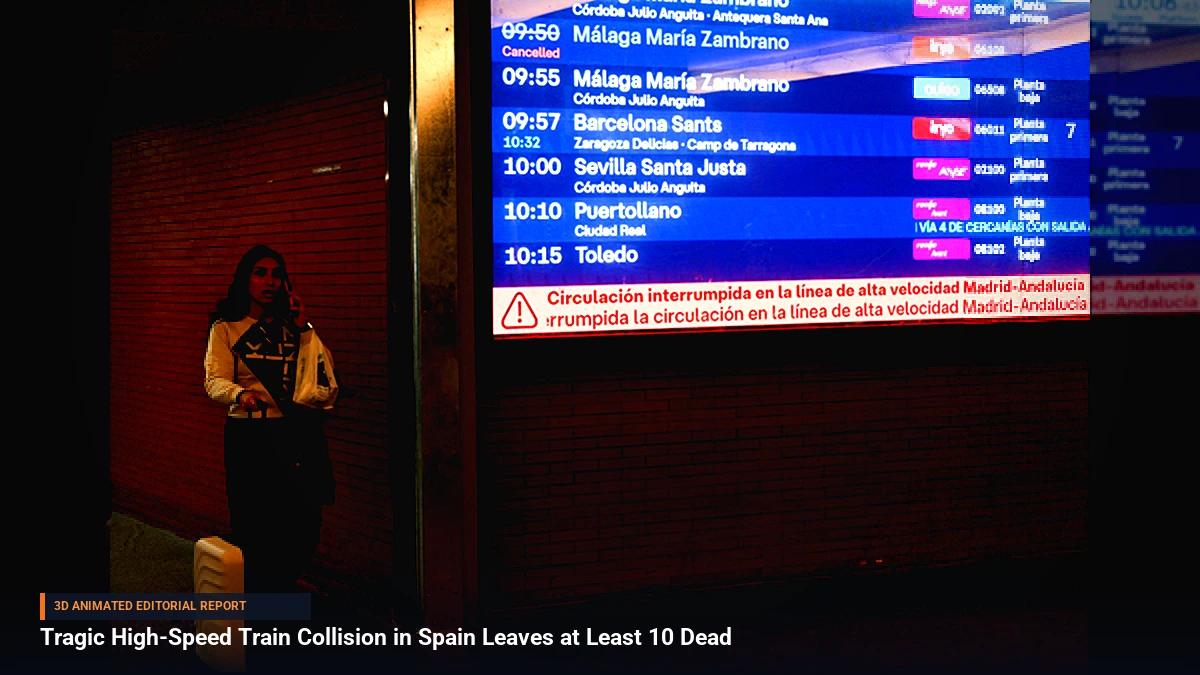
- Network Disruption: ADIF suspended all high-speed rail operations between Madrid and Andalucía.
- Historical Precedent: The disaster follows a deadly derailment and crash in Adamuz, Córdoba, less than a year prior.
Impact, Analysis & Global/National Reactions
The national shock was immediate. Prime Minister Pedro Sánchez expressed that he was deeply "shocked" by the disaster, while Transport Minister Óscar Puente established an emergency crisis response center to coordinate rescue and investigative efforts.
Transport analysts and safety advocates are raising urgent questions regarding systemic vulnerabilities within Spain's prestigious rail grid. Coming so soon after the tragedy in Adamuz, public trust in the network's signaling systems and operational oversight has plummeted. Stakeholders across European transport markets are closely watching for preliminary investigative findings to determine whether the crash stemmed from signal failure, human error, or infrastructure degradation.
What's Next: Looking Ahead
Emergency services remain focused on search, rescue, and recovery operations at the Toledo site. Meanwhile, technical investigators from rail safety boards are gathering flight-recorder-style data boxes and signal logs to reconstruct the exact sequence of events leading up to the impact.
Political fallout is expected to be swift, with transport officials facing parliamentary questioning regarding national rail maintenance budgets and safety modernization timelines. A phased resumption of the Madrid-Andalucía rail corridor will depend entirely on structural clearance of the tracks and rigorous safety sign-offs by independent engineers.




Be the first to comment
Start a useful conversation around this story.